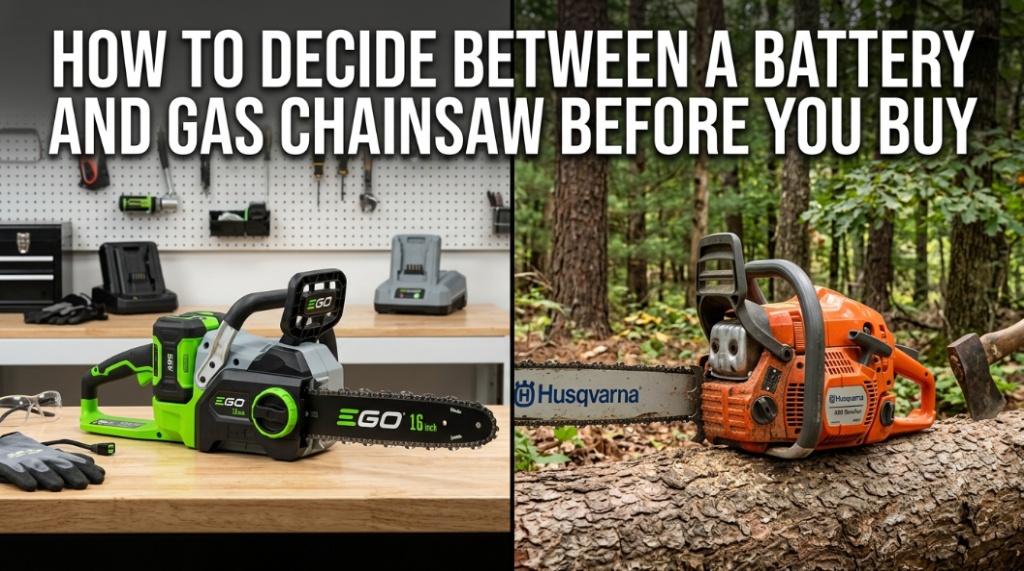
Choosing between a battery vs gas chainsaw is less about cutting wood and more about deciding how much noise, maintenance, weight, and operating cost you want to carry into every project. The right choice depends on how often you cut, what type of wood you handle, and whether convenience or maximum power matters most. For most homeowners, a battery chainsaw is now the smarter option, while gas chainsaws still dominate demanding forestry and heavy-duty cutting tasks.
What Is the Difference Between a Battery and Gas Chainsaw?
Direct Answer: A battery chainsaw runs on rechargeable lithium-ion batteries, while a gas chainsaw uses a gasoline-powered engine. The main differences are power output, runtime, maintenance requirements, noise levels, and operating costs.
Chainsaws have evolved significantly over the last decade. Advances in lithium-ion battery technology have transformed cordless power tools from light-duty alternatives into serious cutting machines capable of handling most residential tasks.
A gas chainsaw generates power through a combustion engine fueled by a gasoline and oil mixture. These machines have traditionally been the preferred choice for professional loggers, arborists, and property owners managing large wooded areas.
Battery-powered models rely on electric motors and rechargeable battery packs. They eliminate fuel mixing, reduce maintenance demands, and offer instant startup with the push of a button.
If you’re researching modern cordless cutting equipment, exploring the latest battery-powered chainsaw options for homeowners can help illustrate how much performance today’s cordless models deliver compared to older generations.
| Feature | Battery Chainsaw | Gas Chainsaw |
|---|---|---|
| Power Source | Lithium-ion battery | Gasoline engine |
| Starting Method | Push button | Pull cord |
| Noise Level | Low | High |
| Maintenance | Minimal | Regular engine maintenance |
| Weight | Generally lighter | Typically heavier |
| Emissions | None during operation | Produces exhaust emissions |
| Runtime | Battery-dependent | Refuel anytime |
Which Chainsaw Is Better for Homeowners?
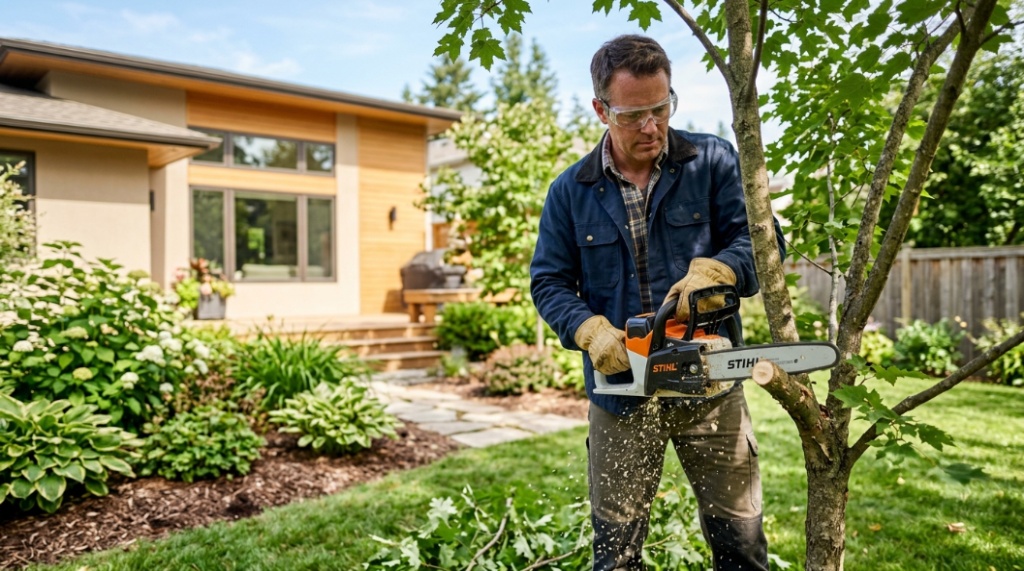
Direct Answer: For most homeowners, battery chainsaws are the better choice because they are easier to use, quieter, safer to start, and require far less maintenance.
The average homeowner typically uses a chainsaw for occasional storm cleanup, pruning, trimming branches, cutting firewood, or removing small trees. These jobs rarely require the extreme cutting power that professional-grade gas chainsaws provide.
Battery chainsaws excel in residential environments because they start instantly and don’t require carburetor adjustments, spark plug replacements, fuel storage, or seasonal maintenance.
Consider a homeowner who cuts fallen branches after storms a few times per year. A battery chainsaw can remain stored for months, then start immediately when needed. A gas chainsaw, on the other hand, may require fuel replacement, engine priming, or troubleshooting before operation.
For users prioritizing convenience and ease of ownership, cordless technology has become increasingly attractive across outdoor power equipment categories.
Why Are Battery Chainsaws Becoming More Popular?
Direct Answer: Improved battery technology has increased cutting performance while reducing weight, noise, and maintenance.
Modern lithium-ion batteries offer significantly longer runtimes and higher power output than earlier battery generations. Many premium cordless chainsaws can now handle hardwood cutting, tree removal, and firewood processing tasks that previously required gas-powered equipment.
Manufacturers such as STIHL, Husqvarna, Makita, Milwaukee Tool, and DeWalt have invested heavily in battery-powered outdoor equipment ecosystems, allowing users to share batteries across multiple tools.
What Are the Biggest Cordless Chainsaw Benefits?
Direct Answer: The main cordless chainsaw benefits include easier operation, reduced maintenance, quieter performance, lower emissions, and improved convenience.
The growth of cordless outdoor tools is largely driven by practical everyday advantages rather than raw power alone.
- Instant push-button startup
- No gasoline or fuel mixing
- Minimal maintenance requirements
- Lower vibration levels
- Reduced operating noise
- Cleaner storage conditions
- No exhaust fumes
- Lighter handling for many users
Do Battery Chainsaws Require Less Maintenance?
Direct Answer: Yes. Battery chainsaws eliminate most engine-related maintenance tasks associated with gas-powered equipment.
With a battery chainsaw, maintenance generally involves:
- Chain sharpening
- Bar lubrication
- Battery charging
- Cleaning debris from the tool
Gas chainsaws require additional maintenance such as:
- Spark plug inspection
- Air filter replacement
- Fuel system cleaning
- Carburetor adjustments
- Fuel stabilization during storage
- Engine troubleshooting
Over several years of ownership, maintenance time and associated costs can become substantial.Choose Between a Battery-Powered and Gas Chainsaw.
When Is a Gas Chainsaw the Better Choice?
Direct Answer: A gas chainsaw is better when maximum power, unlimited runtime, and heavy-duty cutting performance are essential.
Professional loggers, tree service crews, and landowners managing large properties often rely on gas-powered chainsaws because they deliver exceptional cutting power for demanding applications.
Unlike battery-powered tools, gas chainsaws can operate continuously as long as fuel is available. This advantage becomes important when processing large volumes of timber or working far from charging infrastructure.
Understanding how different chainsaw classes compare helps buyers select equipment appropriate for their workload rather than simply choosing the most powerful model available.
What Jobs Usually Require a Gas Chainsaw?
Direct Answer: Gas chainsaws are often preferred for large tree felling, commercial logging, extensive firewood production, and remote land management.
- Professional forestry work
- Large hardwood tree removal
- Commercial arborist operations
- Heavy storm cleanup over large properties
- Extended off-grid projects
- High-volume firewood processing
For these applications, extended runtime and maximum cutting power often outweigh concerns about maintenance and noise.
How Do Power and Cutting Performance Compare?
Direct Answer: Gas chainsaws generally produce more sustained power, but modern battery chainsaws deliver excellent cutting performance for most residential and light professional applications.
One of the most common misconceptions in any chainsaw comparison is that battery-powered tools are weak. While this may have been true years ago, today’s premium cordless models offer impressive torque and cutting speed.
Electric motors produce torque instantly. This characteristic allows battery chainsaws to perform exceptionally well when cutting medium-sized logs and branches.
Gas engines still maintain an advantage in demanding workloads involving:
- Large-diameter hardwood trees
- Continuous cutting sessions
- Commercial timber harvesting
- Extreme environmental conditions
For most homeowners cutting branches under 12 inches in diameter, performance differences are often minimal.
Can a Battery Chainsaw Cut Large Trees?
Direct Answer: Yes, many modern battery chainsaws can cut medium and even large trees, though gas models remain more efficient for continuous heavy-duty work.
High-voltage systems ranging from 40V to 80V have significantly expanded cordless chainsaw capabilities. Users routinely process substantial hardwood logs with today’s premium battery-powered equipment.
The limitation is typically runtime rather than cutting ability.
Which Option Costs Less Over Time?
Direct Answer: Battery chainsaws generally cost less to operate over time due to lower fuel, maintenance, and repair expenses.
Initial purchase prices vary widely. Some premium battery systems cost as much as comparable gas models, particularly when batteries and chargers are included.
However, long-term ownership expenses tell a different story.
| Cost Category | Battery Chainsaw | Gas Chainsaw |
|---|---|---|
| Fuel | Electricity | Gasoline and oil |
| Spark Plugs | No | Yes |
| Carburetor Service | No | Yes |
| Air Filters | Minimal | Regular replacement |
| Engine Repairs | Rare | Possible |
Battery replacement eventually becomes necessary, but many lithium-ion packs provide years of reliable service under normal use conditions.
Are Battery Chainsaws Worth the Higher Initial Cost?
Direct Answer: For many homeowners, yes. Lower maintenance and operating costs often offset higher upfront investment.
If you only use a chainsaw occasionally, avoiding fuel purchases, engine repairs, and maintenance appointments can create meaningful savings over the tool’s lifespan.
What Safety Differences Should Buyers Know?
Direct Answer: Both chainsaw types require proper safety precautions, but battery chainsaws are generally easier to control and start safely.
Chainsaw safety depends primarily on operator training and proper protective equipment rather than power source alone.
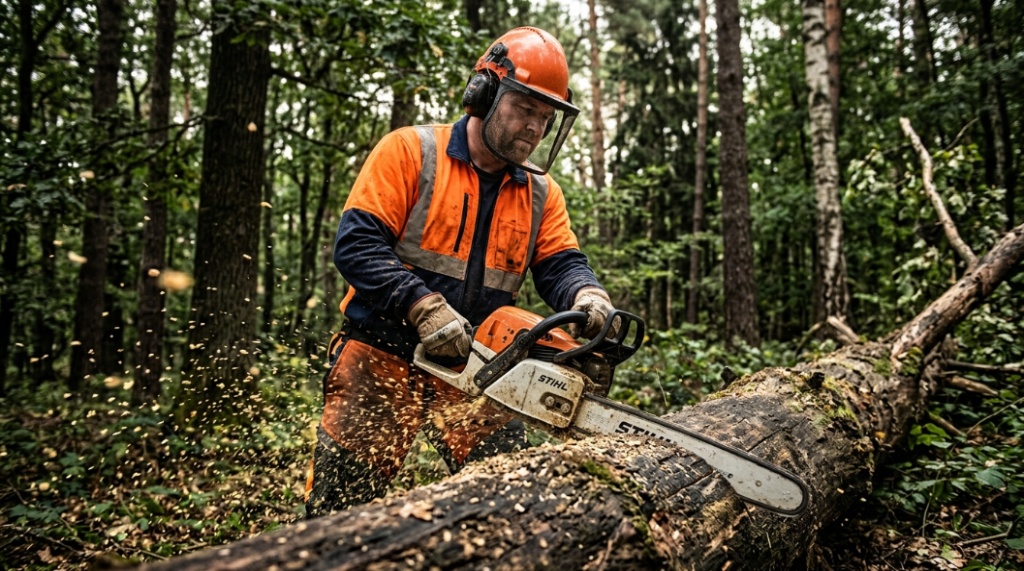
Recommended safety gear includes:
- Chainsaw chaps
- Protective gloves
- Safety glasses
- Hearing protection
- Steel-toe boots
- Helmet when felling trees
Battery chainsaws reduce several common frustrations, including pull-start injuries and accidental fuel-related issues.
Many cordless models also incorporate advanced electronic braking systems and safety features designed to stop chain movement rapidly during kickback events.
How Do You Choose the Right Chainsaw for Your Needs?
Direct Answer: Match the chainsaw to your cutting frequency, property size, wood type, and desired maintenance level.
Ask yourself these questions before purchasing:
- How often will I use the chainsaw?
- Am I cutting small branches or large trees?
- Do I have access to charging facilities?
- Do I want minimal maintenance?
- Will I work in remote locations?
- Is noise a concern?
Choose a battery chainsaw if:
- You are a homeowner
- You value convenience
- You perform occasional cutting tasks
- You want quieter operation
- You prefer low maintenance
Choose a gas chainsaw if:
- You need maximum power
- You work professionally
- You frequently process large trees
- You need unlimited runtime
- You operate far from charging sources
Conclusion: Which Chainsaw Should You Buy?
Direct Answer: Most homeowners should choose a battery chainsaw, while professionals handling large-scale cutting projects will still benefit from gas-powered models.
The modern battery vs gas chainsaw debate is no longer about whether cordless tools are capable. Today’s battery chainsaws deliver impressive cutting performance, lower maintenance requirements, quieter operation, and significant convenience advantages. For pruning, storm cleanup, firewood preparation, and general property maintenance, they satisfy the needs of most users.
Gas chainsaws remain unmatched for extended heavy-duty workloads, commercial forestry, and large-diameter timber cutting. Their ability to refuel instantly and sustain maximum power makes them indispensable for professional applications.
If you’re evaluating ownership costs, maintenance demands, runtime expectations, and the practical advantages of modern cordless chainsaw technology, the best choice becomes much clearer. Match the tool to your actual workload rather than buying based solely on maximum power specifications.
Before purchasing, compare runtime ratings, bar length options, battery ecosystems, warranty coverage, and safety features. A carefully selected chainsaw will provide years of reliable performance while making outdoor work faster, safer, and more efficient.
Frequently Asked Questions About Battery vs Gas Chainsaws
Is a battery chainsaw powerful enough for cutting firewood?
Yes. Most modern battery chainsaws can easily cut firewood, small logs, and medium-sized hardwood branches. Premium models provide sufficient power for typical residential firewood preparation.
How long does a battery chainsaw run on one charge?
Runtime varies by battery capacity and workload. Many cordless chainsaws operate between 30 and 90 minutes of active cutting per charge, depending on wood density and chain speed.
Do battery chainsaws require chain oil?
Yes. Battery chainsaws still require bar and chain oil to lubricate the cutting system and reduce wear. The difference is that they do not require engine fuel or motor oil.
Which chainsaw is easier for beginners?
Battery chainsaws are generally easier for beginners. They start instantly, produce less noise and vibration, and require less maintenance, making them more user-friendly for new operators.
Can cold weather affect battery chainsaw performance?
Yes. Extremely cold temperatures can temporarily reduce battery efficiency and runtime. Storing batteries indoors before use can help maintain performance.
Do professionals use battery chainsaws?
Yes. Many arborists, landscapers, and tree-care professionals now use battery chainsaws for pruning, trimming, and urban work where reduced noise and emissions are beneficial.
Which lasts longer: battery or gas chainsaws?
Both can last many years. Longevity depends on maintenance, usage frequency, and build quality. Gas chainsaws may require more repairs, while battery models eventually need battery replacement.