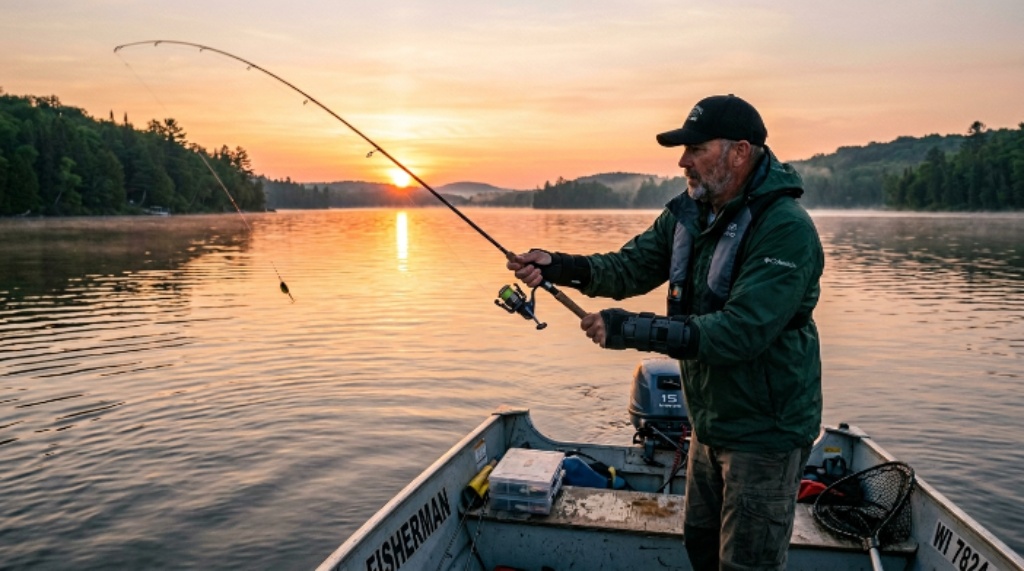
Fishing is one of the most relaxing sports in the world. However, it can put serious strain on your wrists over time. Whether you cast dozens of times a day or spend long hours reeling in heavy catches, your wrists absorb a tremendous amount of repetitive stress. A good wrist brace can make the difference between a comfortable day on the water and one cut short by pain.
This complete buyer’s guide will help you choose the right wrist brace for your fishing style, budget, and needs. By the end, you will know exactly what to look for and which features truly matter.
Why Anglers Need Wrist Support
Most people think of wrist injuries as something that happens to office workers or athletes. The truth is that fishing puts just as much strain on the wrist joint. Every cast involves a sharp flick of the wrist. Every long fight with a fish means sustained tension and repeated rotation. Over time, these small movements add up.
Common wrist problems among anglers include tendinitis, carpal tunnel syndrome, and general ligament strain. These conditions can sideline you for weeks or even months. Therefore, protecting your wrists before symptoms appear is always smarter than treating them after the damage is done.
A wrist brace supports the joint, reduces excessive movement, and allows the surrounding muscles to work more efficiently. Additionally, it can speed up recovery if you are already dealing with mild discomfort.
Types of Wrist Braces Available for Fishing
Not all wrist braces are designed the same way. Understanding the main types helps you make a smarter purchase.
Rigid Wrist Braces
Rigid braces use a firm splint, usually made of aluminum or hard plastic, to limit wrist movement almost entirely. These are best for anglers recovering from an injury or dealing with severe carpal tunnel symptoms. However, the restricted movement can make casting feel awkward, so they are not the top choice for active fishing sessions.
Semi-Rigid Wrist Braces
Semi-rigid braces offer a middle ground. They have a flexible support structure that limits harmful movements while still allowing the natural motion needed for casting. Most experienced anglers prefer this type because it balances protection with performance.
Compression Sleeves and Wraps
Compression sleeves do not restrict movement at all. Instead, they apply gentle, even pressure around the wrist to improve circulation and reduce inflammation. They are lightweight, easy to wear under gloves, and ideal for mild discomfort or preventive use. Additionally, they are the most comfortable option for long days on the water.
Key Features to Look For
Choosing the right brace involves more than just picking a comfortable design. Here are the features that matter most for fishing use:
- Material and breathability: Fishing often means heat, humidity, and water splashes. Look for braces made with moisture-wicking or neoprene materials that dry quickly and resist odor.
- Adjustable fit: A brace that fits poorly will shift during casting and become a distraction. Velcro straps or wrap-around designs allow you to dial in the fit precisely.
- Thumb and palm coverage: Some braces extend over the thumb and palm, offering extra stability without limiting finger movement. This design works well for anglers who grip heavy rods for extended periods.
- Waterproof or water-resistant construction: Salt water and freshwater both degrade materials over time. A brace built for outdoor conditions will last far longer.
- Low-profile design: Bulky braces interfere with rod feel and line management. A slim, low-profile brace lets you maintain sensitivity through the rod while still getting support.
How to Measure Your Wrist for the Right Fit
A wrist brace that does not fit correctly is worse than wearing none at all. Measuring your wrist takes less than a minute. Use a flexible tape measure and wrap it around the narrowest part of your wrist, just above the wrist bone. Note the measurement in inches or centimeters, then compare it with the sizing chart of the brace you are considering.
If you fall between sizes, always size up. A slightly larger brace is easier to tighten than a small one is to loosen. Additionally, keep in mind that your wrist may swell slightly after long fishing sessions, so a little extra room is never a bad idea.
Using a Wrist Stabilizer for Casting Without Losing Feel
One of the biggest concerns anglers have is losing the sensitivity and feel needed for precise casting. A wrist stabilizer for casting is designed specifically to address this. It supports the joint through the power stroke while allowing the subtle wrist snap that delivers accuracy and distance.
The key is choosing a brace that does not run too far up the forearm. Shorter braces give the wrist enough freedom to complete a natural casting motion. Longer, more rigid designs, on the other hand, are better suited for rest days or travel when casting is not involved.
Practice a few casts with any new brace before taking it on the water for a full session. Your muscle memory needs a little time to adjust to the added support. Most anglers find that within one or two sessions, the brace feels completely natural.
Fishing with Pre-Existing Wrist Conditions
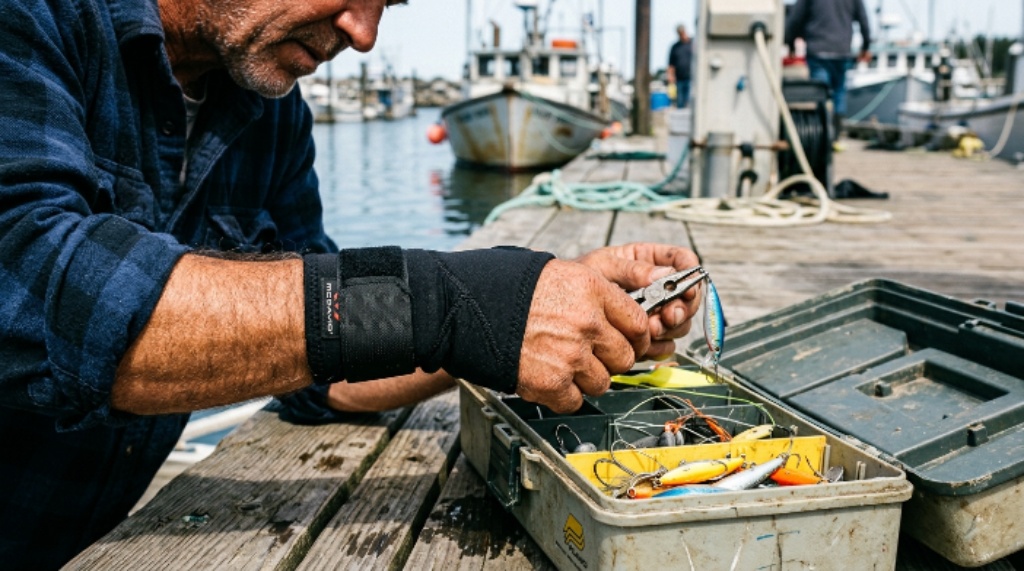
If you already have a diagnosed wrist condition, choosing the right brace becomes even more important. Carpal tunnel sufferers often benefit most from braces that hold the wrist in a neutral position, slightly extended rather than bent. This position reduces pressure on the median nerve and eases tingling or numbness.
Anglers with tendinitis, however, tend to do better with compression-style support combined with anti-inflammatory care. In either case, consult a doctor or physical therapist before making a final decision. They can recommend specific brace styles based on your condition and the demands of your casting style.
Top Fishing Accessories That Pair Well with a Wrist Brace
A wrist brace works best as part of a broader approach to comfort and performance on the water. Several top fishing accessories complement wrist support and help prevent fatigue throughout the day.
Padded fishing gloves reduce vibration from the rod, taking stress off both the wrist and the fingers. Ergonomic rod handles with soft grips reduce the squeezing force needed to maintain control. Reel handles with large knobs allow a looser, more relaxed grip during retrieves. Together, these accessories create a setup that protects your body while improving your overall experience.
Budget Guide: What to Expect at Each Price Point
Wrist braces range widely in price. Here is a general breakdown of what you can expect:
- Under $20: Basic compression sleeves and simple neoprene wraps. Good for mild discomfort and prevention. Limited durability in wet conditions.
- $20 to $50: Mid-range semi-rigid braces with adjustable straps and improved materials. This is the sweet spot for most recreational anglers.
- $50 and above: Premium braces with medical-grade support, custom-fit options, and advanced moisture management. Ideal for anglers with chronic wrist issues or those who fish professionally.
You do not always need to spend more to get better protection. However, if you fish multiple days a week or already have wrist trouble, investing in a higher-quality brace pays off quickly.
Caring for Your Wrist Brace
A wrist brace exposed to salt water, fish slime, and sunscreen breaks down faster than one that is cleaned regularly. After each fishing trip, rinse the brace with fresh water. Most fabric and neoprene braces can be hand-washed with mild soap. Avoid machine washing unless the label specifically allows it.
Let the brace air dry completely before storing it. Never leave it crumpled in a tackle bag while wet, as this encourages mold and odor. With proper care, a good wrist brace can last two to three seasons of regular use.
Conclusion
Finding the best wrist brace for fishing in 2026 comes down to knowing your needs. Consider the type of fishing you do, any existing wrist conditions, and how much movement you need during casting. Semi-rigid braces suit most active anglers, while compression sleeves work well for prevention and mild discomfort.
Always prioritize fit, breathability, and water resistance. Pair your brace with other ergonomic fishing gear to reduce fatigue and fish longer without pain. Whether you are a weekend angler or a seasoned pro, protecting your wrists today means more time on the water for years to come. Smart gear choices, including a quality wrist stabilizer for casting, are just as important as any rod or reel in your kit.
Frequently Asked Questions
Can I wear a wrist brace while fly fishing?
Yes. A low-profile compression sleeve or a short semi-rigid brace works well for fly fishing. It provides support without interfering with the delicate wrist movements needed for accurate fly casting.
How long should I wear a wrist brace while fishing?
Wear it for the duration of your fishing session if you are using it for prevention. If you are recovering from an injury, follow your doctor’s advice on wearing time. Most people find it comfortable enough to wear all day.
Will a wrist brace affect my casting distance?
A properly fitted semi-rigid or compression brace should not reduce casting distance significantly. In fact, some anglers report improved consistency because the brace promotes a more controlled wrist motion.
Can I find fishing-specific wrist braces, or should I use a medical one?
Both work, but fishing-specific designs include features like water resistance and odor control that medical braces lack. If you fish regularly, a sport-specific brace is the better long-term investment.
Are wrist braces covered under health insurance for fishing injuries?
In some cases, yes. If a doctor diagnoses a repetitive stress injury related to your activity, a prescribed wrist brace may qualify for insurance coverage. Check with your provider and get a formal diagnosis first.
Related Topics:
How to Start Wearing Luxury-Style Perfumes for Less
How to Maintain Surfboard Fins for Long-Term Performance