Choosing the right tools for your home has become more important than ever. In 2026, modern homes require smart, efficient, and durable solutions for everyday fixes and improvements. Whether you are a beginner or a DIY enthusiast, selecting the right equipment can save time, reduce stress, and improve results.
However, with so many options available, it can feel confusing. Therefore, understanding what to look for is key. This guide will help you choose the best tools while keeping your budget and needs in mind.
Why Every Home Needs a Reliable Tool Setup
Every household faces small repairs. Loose screws, leaking taps, or broken furniture are common issues. Having the right equipment at hand helps you fix problems quickly.
Additionally, tools give you independence. You do not need to call a professional for every small job. This saves money over time.
A well-prepared home setup also improves safety. For example, fixing faulty fixtures early can prevent bigger damage.
Understanding Your Needs Before Buying
Before purchasing anything, take a step back. Think about how often you will use tools and for what purpose.
Basic Home Maintenance Needs
Most homes need tools for:
- Tightening screws
- Hanging items
- Minor electrical fixes
- Plumbing adjustments
If your needs are simple, you do not need advanced equipment.
Advanced DIY Projects
However, if you enjoy DIY work, you may need:
- Power drills
- Measuring tools
- Cutting equipment
Therefore, your buying decision should match your lifestyle.
Essential Tools Every Home Should Have
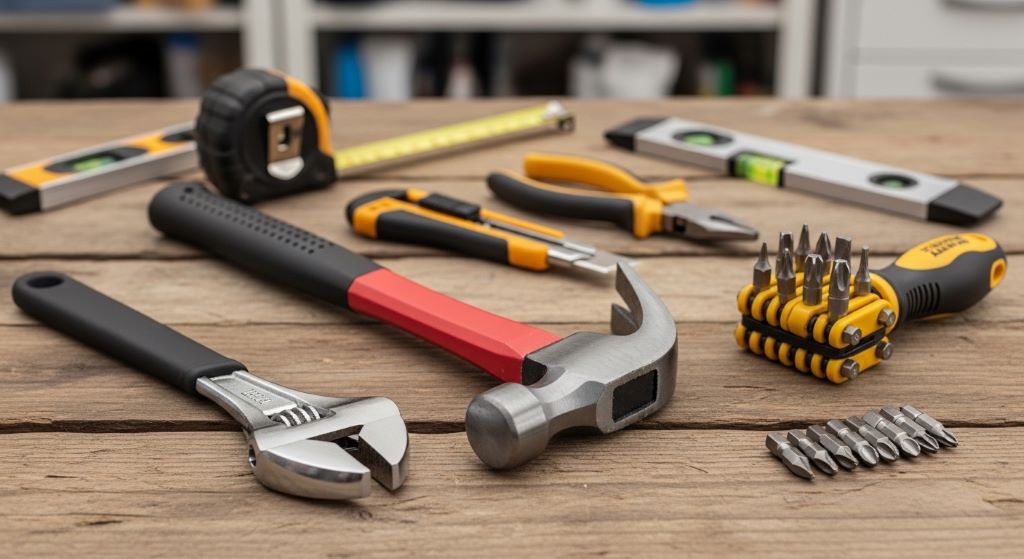
A beginner-friendly setup should include the following items. These tools handle most daily repair tasks.
Hand Tools You Cannot Skip
- Screwdriver set (flathead and Phillips)
- Hammer
- Adjustable wrench
- Pliers
- Tape measure
These are the foundation of any home toolkit.
Basic Electrical Tools
Additionally, you should consider:
- Voltage tester
- Wire cutter
- Insulated screwdriver
Safety is important when dealing with electricity.
Measuring and Leveling Tools
Accurate measurements improve results. Therefore, include:
- Spirit level
- Measuring tape
- Angle ruler
Choosing Between Manual and Power Tools
One common question is whether to choose manual or electric tools.
Manual Tools
Manual tools are:
- Affordable
- Easy to use
- Low maintenance
However, they require more effort.
Power Tools
Power tools offer:
- Speed
- Efficiency
- Precision
Additionally, modern cordless tools are easy to handle. However, they cost more and need charging.
Therefore, a mix of both is ideal for most homes.
Key Features to Look for in 2026
Technology has improved tool design. As a result, modern tools offer better performance and comfort.
Ergonomic Design
Comfort matters. Tools with soft grips reduce hand fatigue.
Durability and Material
Look for tools made from:
- Stainless steel
- Carbon steel
These last longer and resist rust.
Smart Features
In 2026, some tools include:
- Digital displays
- Battery indicators
- Smart sensors
Although not necessary, these features improve usability.
How to Choose a Complete Repair Kit
Buying individual tools can be costly. Therefore, many people prefer a complete set.
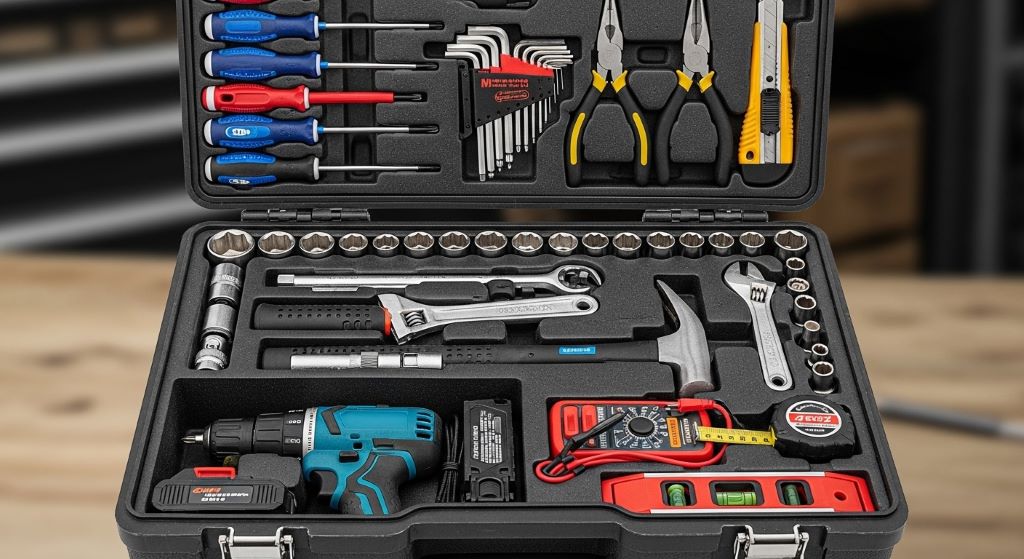
A good repair kit should include:
- Multiple screwdriver heads
- Wrenches
- Pliers
- Utility knife
- Storage case
Additionally, check if the tools are organized well. A proper case saves time and prevents loss.
When selecting a repair kit, quality matters more than quantity. A smaller, durable set is better than a large, low-quality one.
Budget vs Quality: Finding the Right Balance
Many people try to save money when buying tools. However, cheap tools often break quickly.
Low Budget Options
These are suitable for:
- Occasional use
- Simple repairs
Mid-Range Tools
Additionally, mid-range tools offer:
- Better durability
- Improved comfort
Premium Tools
Premium tools are best for:
- Frequent use
- Professional-level work
Therefore, choose based on how often you plan to use them.
Safety Tips When Using Home Tools
Safety should always come first. Even simple tools can cause injury if used incorrectly.
Basic Safety Rules
- Always wear protective gloves
- Use safety glasses when needed
- Keep tools dry and clean
Storage Safety
Additionally, store tools:
- Away from children
- In a secure toolbox
- In a dry place
Good storage extends tool life and improves safety.
Maintenance Tips to Extend Tool Life
Taking care of your tools ensures long-term performance.
Cleaning After Use
Wipe tools after each use. This prevents rust and dirt buildup.
Regular Inspection
Check for:
- Loose parts
- Rust
- Damage
Replace faulty tools immediately.
Proper Storage
Additionally, store tools in a cool, dry place. Moisture can damage metal parts.
Common Mistakes to Avoid
Many people make simple mistakes when buying tools.
Buying Too Many Tools
You do not need everything at once. Start small and expand later.
Ignoring Quality
Cheap tools may save money initially. However, they cost more in the long run.
Not Checking Reviews
Additionally, always check user reviews before buying. This helps you avoid poor-quality products.
Best Tools for Small Spaces
If you live in a small home or apartment, space matters.
Compact Tool Sets
Choose:
- Foldable tools
- Multi-purpose kits
Wall-Mounted Storage
Additionally, use wall racks to save space.
Portable Toolboxes
Portable kits are easy to store and carry.
Eco-Friendly Tool Choices in 2026
Sustainability is becoming important. Therefore, many brands now offer eco-friendly tools.
What to Look For
- Recyclable materials
- Energy-efficient power tools
- Long-lasting designs
Choosing sustainable tools helps reduce waste.
How to Build Your Tool Collection Over Time
You do not need everything at once. Start with basic tools and expand gradually.
Step-by-Step Approach
- Begin with essential hand tools
- Add a repair kit
- Invest in power tools later
This approach saves money and avoids clutter.
Conclusion
Selecting the right tools for your home in 2026 does not have to be complicated. Start by understanding your needs. Then, focus on quality, safety, and usability.
A good combination of basic hand tools and a reliable repair kit will handle most tasks. Additionally, investing in durable products ensures long-term value.
Therefore, take your time, compare options, and build your toolkit step by step. With the right choices, your home will always be ready for any repair or improvement task.
FAQs
-
What are the most important tools for beginners?
A screwdriver set, hammer, pliers, and measuring tape are essential for beginners.
-
Should I buy a tool set or individual tools?
A set is more cost-effective for beginners. However, individual tools offer better customization.
-
How often should I replace home tools?
Replace tools only when they show damage or wear. High-quality tools can last many years.
-
Are cordless tools better than corded ones?
Cordless tools are more convenient. However, corded tools provide consistent power.
-
How can I store tools safely at home?
Use a toolbox or wall-mounted storage and keep tools away from children.
Related Topics:
How to Choose the Best Budget Sneakers for Skating in 2026
How to Evaluate Electric Swing Performance: Jool Baby Nova Nature Review