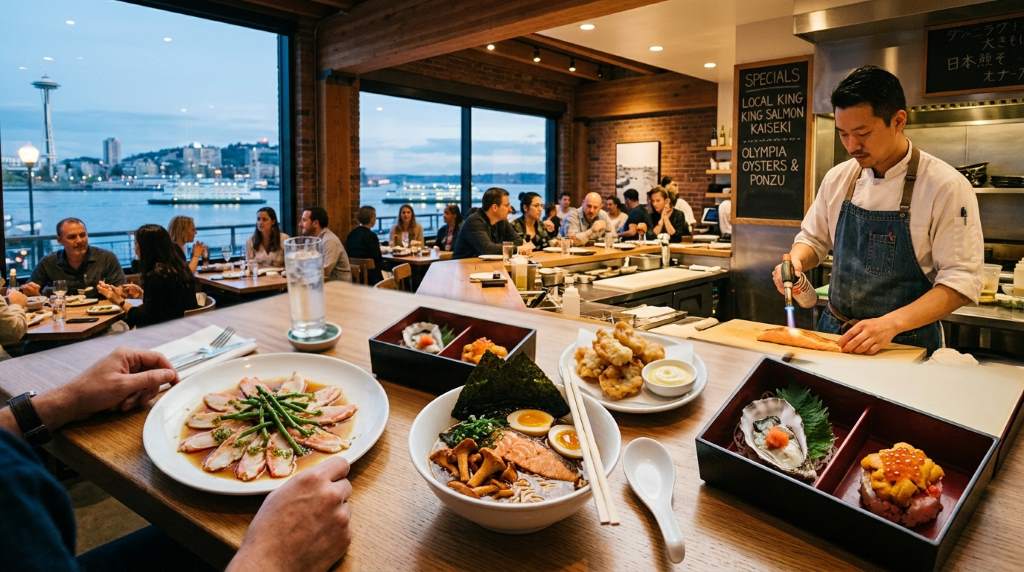
Seattle’s restaurant industry continues to evolve as chefs experiment with fresh ingredients, sustainable sourcing, and global culinary influences. According to the Washington State Department of Agriculture, Washington produces more than 300 agricultural commodities each year, giving restaurants access to a rich local food supply. At the same time, Japanese cuisine remains one of the most respected food traditions worldwide because of its balance, presentation, and seasonal approach. Many chefs now recognize the growing influence of japanese cooking on global dining and use those ideas to create unique menus in Seattle, WA. As a result, diners enjoy meals that combine Pacific Northwest ingredients with refined Japanese techniques and flavors.
Seattle’s Strong Connection to Fresh Seafood
Seattle’s location near the Pacific Ocean gives restaurants direct access to fresh seafood throughout the year. Local chefs regularly use salmon, oysters, black cod, Dungeness crab, and spot prawns in seasonal menus. Japanese cuisine naturally complements these ingredients because it emphasizes freshness, clean flavors, and careful preparation methods. Many restaurants now serve dishes that combine local catches with miso marinades, yuzu sauces, or sushi-inspired plating. Consequently, diners experience familiar Northwest seafood with a modern Japanese twist.
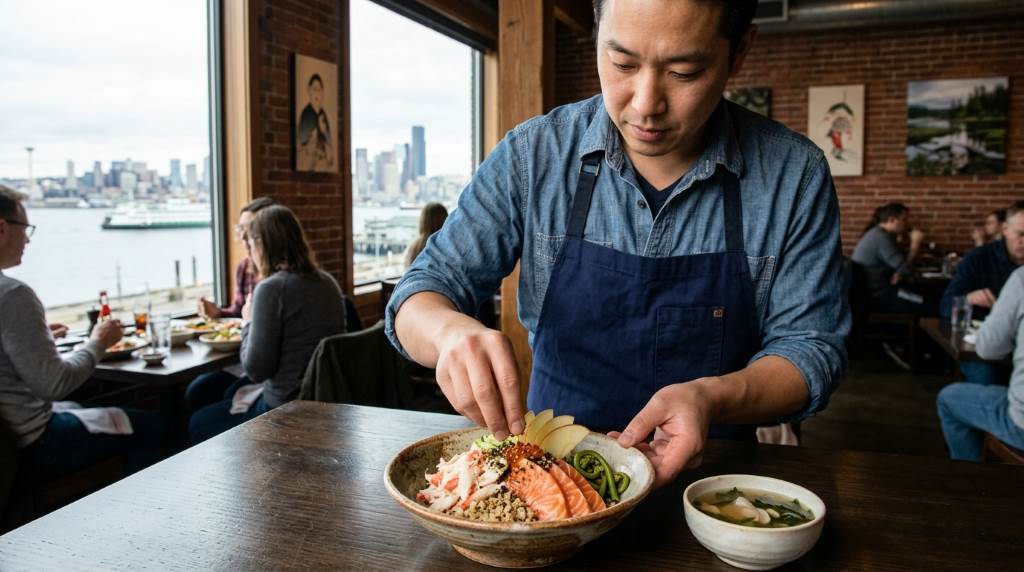
Japanese cooking techniques also help chefs preserve the natural quality of seafood without overpowering it. For example, many Seattle restaurants use light grilling methods like robata cooking to highlight the texture of salmon and shellfish. Others prepare crudo dishes with soy-based dressings, pickled vegetables, and citrus flavors inspired by Japanese cuisine. Additionally, chefs often choose smaller portion sizes that focus on presentation and ingredient balance. This approach matches Seattle’s growing preference for mindful and high-quality dining experiences.
The Influence of Seattle’s Climate on Menu Design
Seattle’s cool and rainy climate strongly affects local dining habits and seasonal menu planning. During colder months, customers often prefer warm comfort foods that still feel healthy and fresh. Japanese cuisine fits this demand because it includes warming broths, grilled dishes, and nutrient-rich ingredients without relying on heavy sauces. Therefore, many restaurants now offer ramen with local mushrooms, seafood hot pots, and rice bowls featuring Washington-grown vegetables. These dishes provide comfort while maintaining clean and balanced flavors.
The Pacific Northwest also produces seasonal ingredients that pair naturally with Japanese cooking styles. Seattle chefs frequently use local root vegetables, seaweed, apples, pears, and foraged mushrooms in fusion recipes. In autumn, restaurants often create miso-glazed squash dishes or mushroom donburi bowls that reflect both Japanese and Northwest traditions. Meanwhile, spring menus may feature asparagus tempura or chilled soba salads with local herbs. Seasonal flexibility allows restaurants to stay creative while supporting regional farms and fisheries.
Sustainability Drives Culinary Innovation
Seattle restaurants place strong emphasis on sustainability and environmentally responsible sourcing. Japanese cuisine supports this philosophy because it traditionally respects seasonal ingredients and minimizes food waste. Many chefs now use nose-to-tail seafood preparation and vegetable-focused dishes inspired by Japanese cooking practices. As a result, restaurants reduce waste while introducing customers to more thoughtful dining experiences. Sustainability has become both a business strategy and a culinary identity in Seattle’s food scene.
Farm-to-table dining also aligns naturally with Japanese food culture. Seattle chefs often build menus around daily ingredient availability instead of relying on fixed offerings year-round. This flexibility encourages stronger relationships between restaurants, fisheries, and local farms across Washington State. Furthermore, customers increasingly value transparency about ingredient sourcing and environmental impact. Restaurants that blend Japanese techniques with local sustainability practices often earn stronger customer loyalty and positive reviews.
Popular Japanese-Inspired Dishes in Seattle Restaurants
Seattle restaurants continue introducing creative dishes that merge Northwest ingredients with Japanese culinary ideas. Some establishments focus on subtle Japanese influences, while others fully embrace fusion concepts across their entire menu. Diners often appreciate these dishes because they feel both familiar and exciting at the same time. Additionally, chefs enjoy the creative freedom that fusion cooking allows in a competitive restaurant market. Several Japanese-inspired menu trends now stand out across Seattle.
Popular menu examples include:
- Cedar plank salmon with miso butter
- Sushi rolls featuring Dungeness crab and local avocado
- Matcha desserts made with Washington berries
- Udon noodles with Pacific Northwest mushrooms
- Tempura vegetables sourced from nearby farms
- Yakitori skewers using locally raised chicken
- Poke bowls with wild-caught salmon
These menu items demonstrate how Seattle chefs adapt Japanese flavors to regional ingredients and customer preferences.
Seattle’s Diverse Dining Community Encourages Experimentation
Seattle attracts residents and visitors from many cultural backgrounds, creating a highly adventurous dining market. Customers often seek unique culinary experiences instead of traditional restaurant concepts alone. Japanese-inspired fusion menus satisfy this demand because they combine innovation with recognizable ingredients. Therefore, chefs feel encouraged to experiment with flavors, textures, and presentation styles. This openness helps Seattle maintain its reputation as one of America’s most creative food cities.
The city’s strong technology and tourism industries also influence restaurant trends. Professionals working in Seattle often travel internationally and develop interest in global food culture. Consequently, diners regularly look for menus that feel modern, refined, and internationally inspired. Japanese cuisine offers that sophistication while still blending naturally with Northwest ingredients. Restaurants that successfully combine both culinary traditions often attract loyal local customers as well as tourists seeking memorable dining experiences.
Japanese Culinary Philosophy Matches Seattle Dining Trends
Seattle diners increasingly prefer meals that feel balanced, healthy, and visually appealing. Japanese cuisine supports these preferences because it focuses on simplicity, fresh ingredients, and thoughtful preparation. Many restaurants now reduce heavy sauces and oversized portions in favor of cleaner presentation and lighter flavor combinations. This shift reflects changing consumer attitudes toward wellness and sustainable eating habits. Japanese culinary philosophy fits perfectly within these evolving expectations.
Presentation also plays a major role in modern Seattle dining culture. Japanese-inspired plating techniques emphasize color contrast, texture balance, and artistic arrangement. As a result, restaurants create dishes that perform well both in person and on social media platforms. Attractive food photography has become an important marketing tool for restaurants across Seattle. Consequently, visually refined Japanese-inspired dishes help businesses increase customer engagement and online visibility.
How Local Chefs Learn Japanese Cooking Techniques
Many Seattle chefs study Japanese culinary traditions through travel, mentorship, and specialized training programs. Some work directly with Japanese chefs to understand knife skills, fermentation methods, and ingredient preparation techniques. Others adapt traditional methods to local ingredients while preserving the core philosophy behind Japanese cooking. This educational exchange strengthens culinary innovation throughout Seattle’s restaurant industry. It also helps chefs develop deeper respect for Japanese food culture instead of simply copying trends.
Restaurants often incorporate techniques such as fermentation, precise knife work, and broth preparation into broader fusion menus. For example, chefs may use house-made miso, pickled vegetables, or dashi-based sauces to add depth to local dishes. Additionally, many restaurants now invest in high-quality Japanese kitchen tools and sourcing partnerships. These details improve food quality while creating more authentic dining experiences. Customers usually notice the difference when restaurants prioritize craftsmanship and technique.
The Role of Local Ingredients in Japanese Fusion Menus
Seattle chefs carefully select local ingredients that naturally complement Japanese flavors and preparation styles. Wild salmon, rainier cherries, hazelnuts, and local seaweed frequently appear in Japanese-inspired dishes across the city. These ingredients help restaurants create regional identity while still embracing global culinary influence. Furthermore, local sourcing supports nearby farmers and strengthens the Pacific Northwest food economy. Restaurants benefit financially and creatively from these partnerships.
The flexibility of Japanese cuisine allows chefs to adapt recipes according to seasonal ingredient availability. During winter, menus may include hearty noodle soups with local root vegetables and slow-cooked broths. In summer, restaurants often focus on chilled seafood dishes, crisp vegetables, and lighter sauces. Seasonal adaptation keeps menus fresh while encouraging repeat visits from customers. Therefore, fusion cooking becomes both a creative advantage and a practical business strategy.
Challenges Restaurants Face When Blending Culinary Traditions
Although Japanese fusion cuisine remains popular in Seattle, restaurants still face several operational and creative challenges. Authentic Japanese ingredients can sometimes cost more than traditional local alternatives, especially when imported products are necessary. Skilled preparation methods also require additional staff training and kitchen precision. Consequently, restaurants must balance authenticity with affordability and operational efficiency. Successful establishments usually achieve this balance through thoughtful menu planning and sourcing strategies.
Cultural sensitivity also remains important when blending culinary traditions. Customers increasingly expect restaurants to respect Japanese food culture instead of using superficial trends for marketing purposes. Therefore, chefs must understand the history and philosophy behind the techniques they use. Many Seattle restaurants now collaborate with Japanese culinary professionals or educate staff about cultural context. This approach helps businesses maintain credibility while creating more meaningful dining experiences.
Why This Culinary Trend Will Continue Growing
Several long-term trends suggest that Japanese-inspired fusion cuisine will continue expanding across Seattle’s restaurant scene. Consumers increasingly prioritize sustainability, seasonal ingredients, and balanced nutrition in their dining choices. Japanese culinary traditions naturally support all of these preferences while remaining adaptable to local ingredients and creative experimentation. As younger diners seek global food experiences, fusion cuisine will likely become even more mainstream. Restaurants that innovate responsibly will continue attracting strong customer interest.
Seattle’s geographic location also supports continued culinary collaboration between Pacific Northwest and Japanese food traditions. Both regions value seafood, seasonal produce, and careful ingredient preparation. This shared philosophy creates natural compatibility that feels authentic rather than forced. Additionally, chefs continue developing new techniques and menu ideas through cultural exchange and culinary education. The fusion of local Seattle flavors with Japanese inspiration will likely shape the city’s food identity for years to come.
Related:
The Ultimate Ooni Pizza Dough Recipe for Perfect Homemade Pizza
Vegas Bomb Drink Recipe: A Bar Favorite You Can DIY
Tips for Diners Exploring Japanese-Inspired Seattle Restaurants
Customers can enjoy better dining experiences by understanding how fusion cuisine works and what to expect from modern Seattle menus. Instead of searching only for traditional Japanese dishes, diners should stay open to regional interpretations and creative combinations. Many restaurants design menus around seasonal ingredient availability, so offerings may change frequently throughout the year. This flexibility often leads to fresher meals and more innovative dining experiences. Exploring new menu items can help diners discover unexpected flavor combinations.
Helpful dining tips include:
- Ask servers about seasonal ingredients and chef specialties.
- Try smaller shared plates to sample multiple fusion dishes.
- Visit restaurants during different seasons for changing menus.
- Pair seafood dishes with Japanese teas or sake selections.
- Support restaurants that emphasize sustainable sourcing practices.
These strategies help diners better appreciate the creativity and craftsmanship behind Seattle’s evolving restaurant culture.
Conclusion
Seattle, WA restaurants continue blending local menus with Japanese cuisine ideas because the combination supports sustainability, seasonal dining, and culinary creativity. Fresh Pacific Northwest ingredients naturally complement Japanese cooking techniques, flavors, and presentation styles. At the same time, Seattle diners increasingly seek healthy, visually appealing, and globally inspired dining experiences that feel both authentic and innovative. This culinary movement reflects deeper changes in consumer preferences, restaurant operations, and cultural appreciation throughout the city. If you want to experience Seattle’s evolving food culture firsthand, start exploring local restaurants that combine Pacific Northwest ingredients with Japanese-inspired culinary artistry today.
FAQs
Why do Seattle restaurants use Japanese cooking techniques?
Seattle restaurants use Japanese cooking techniques because they highlight fresh local ingredients while supporting clean and balanced flavors.
What local ingredients pair well with Japanese cuisine in Seattle?
Salmon, oysters, mushrooms, seaweed, and seasonal vegetables pair especially well with Japanese-inspired cooking styles.
Is Japanese fusion cuisine popular in Seattle?
Yes, Japanese fusion cuisine remains highly popular because Seattle diners enjoy creative and globally influenced menus.
How does Seattle’s climate influence fusion restaurant menus?
Seattle’s cool climate encourages restaurants to serve warming broths, grilled dishes, and seasonal comfort foods with Japanese influences.
Are Seattle restaurants focusing more on sustainable dining?
Yes, many Seattle restaurants now prioritize sustainable sourcing and seasonal ingredients inspired by Japanese culinary philosophy.