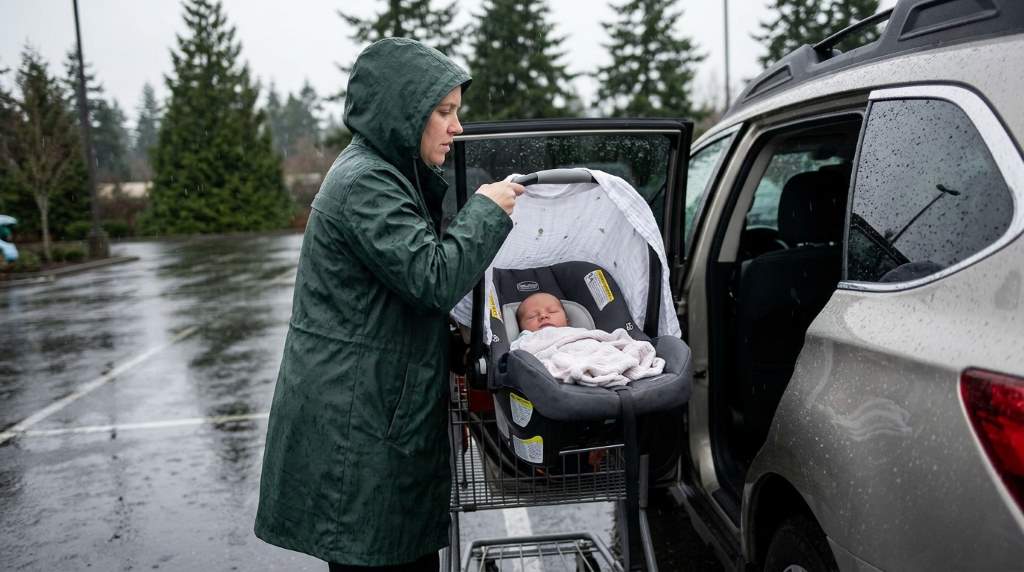
Protecting a newborn from Seattle rain requires layered clothing, weather shields, and careful exposure management. Keep your baby dry, warm, and comfortable by using rain covers, breathable fabrics, and short outdoor trips during wet conditions.
Seattle receives about 38 inches of rainfall annually, while rainy days occur throughout much of the year. Therefore, parents need reliable strategies that balance fresh air, comfort, and weather protection for newborn safety.
Many parents also benefit from a lightweight baby stroller guide when selecting equipment suited for frequent wet weather outings. The right stroller often becomes an essential tool for navigating rainy sidewalks safely.
Why Seattle Rain Requires Extra Care for Newborns
Newborns cannot regulate body temperature as effectively as older children. Consequently, cold rain and damp air may increase discomfort quickly.
Seattle’s weather often shifts throughout the day. Therefore, parents should prepare for changing conditions before leaving home.
Wind, moisture, and lower temperatures can affect exposed skin. Moreover, wet clothing may reduce warmth and increase irritation.
Understanding weather related baby products also helps parents make informed choices. Many families review guides like evaluate electric swing performance when building a comfortable nursery environment.
Dress Your Newborn Using Smart Layering
Start With a Breathable Base Layer
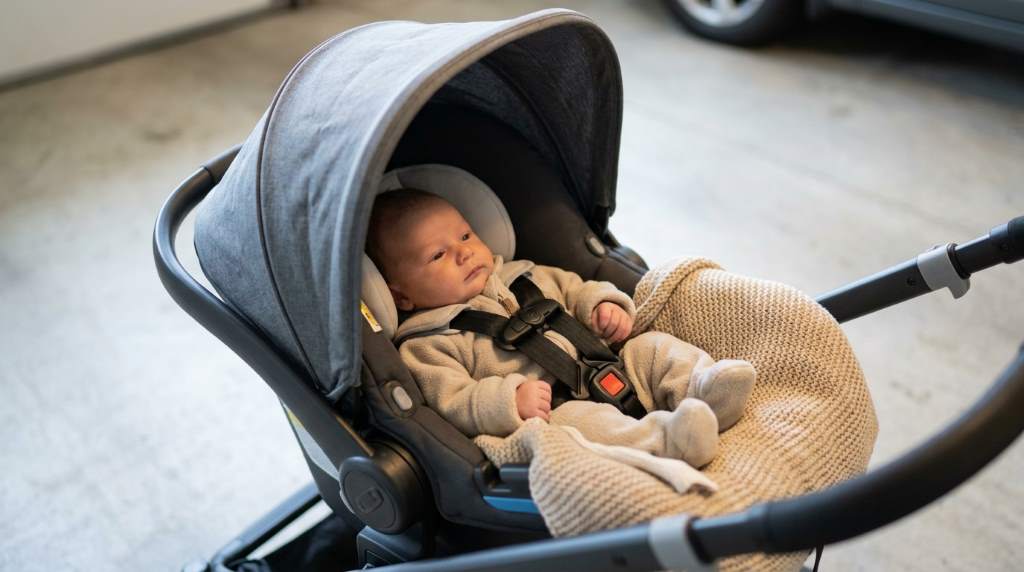
Choose soft cotton or moisture wicking fabrics next to your baby’s skin. These materials help maintain comfort throughout changing conditions.
Avoid heavy fabrics that trap excess moisture. Instead, select lightweight layers that support temperature regulation effectively.
Add an Insulating Middle Layer
Fleece or soft knit garments provide warmth without excessive bulk. Furthermore, they allow easy adjustments during temperature changes.
Use clothing that opens easily for quick changes. This approach simplifies dressing during unexpected weather shifts.
Finish With a Weather Resistant Outer Layer
A water resistant bunting or infant rain cover adds important protection. However, ensure proper airflow around your newborn.
Never overdress your baby during mild rain conditions. Excess heat can create discomfort as easily as cold exposure.
Choose the Right Stroller Setup
A high quality stroller rain cover creates a protective barrier against moisture. Additionally, it shields infants from light wind.
Check ventilation openings regularly during use. Proper airflow remains essential even during wet weather outings.
Inspect stroller wheels before each trip. Wet sidewalks often become slippery, especially near hills and crosswalks.
Many parents also explore solutions that improve infant comfort indoors. Resources discussing baby swing soothe colic can complement a comfortable daily routine.
Protect Your Newborn During Babywearing
Babywearing offers excellent weather protection when done correctly. Your body heat naturally helps keep your newborn warm.
Use a weather resistant carrier cover during rainy walks. However, always keep your baby’s face completely visible.
Check breathing pathways frequently throughout the outing. Safe positioning should remain the highest priority.
A wide brim umbrella can add another layer of protection. Therefore, many parents combine carriers with umbrellas during light rain.
Manage Outdoor Trips Strategically
Watch the Forecast Carefully
Seattle weather forecasts often provide hourly precipitation updates. Therefore, parents can plan outings during lighter rainfall periods.
Short outdoor trips generally work best for newborns. This approach reduces prolonged exposure to damp conditions.
Limit Time in Heavy Rain
Heavy rainfall can quickly overwhelm protective gear. Consequently, indoor alternatives become the safer choice.
Schedule errands during breaks in precipitation whenever possible. Small timing adjustments often improve comfort significantly.
Keep Backup Supplies Available
Always carry spare clothing and blankets during outings. Wet items should be replaced immediately when necessary.
A waterproof diaper bag helps protect essential supplies. Moreover, it keeps emergency items easily accessible.
Create a Rain Ready Diaper Bag
Well prepared parents can respond quickly to changing conditions. Therefore, packing strategically makes every outing easier.
- Extra onesie
- Dry socks
- Warm hat
- Waterproof bag
- Soft blanket
- Diapers and wipes
- Rain cover accessories
- Hand sanitizer
Replace used items immediately after returning home. This habit ensures readiness for future trips.
Protect Your Newborn’s Skin From Moisture
Newborn skin remains highly sensitive during the first months. Consequently, prolonged dampness may cause irritation.
Dry exposed areas gently after outdoor activities. Soft towels work best for delicate newborn skin.
Apply pediatrician approved moisturizers when appropriate. Healthy skin barriers offer additional protection against environmental stress.
Monitor for redness or unusual dryness regularly. Early attention helps prevent minor concerns from worsening.
Maintain Safe Indoor Conditions After Returning Home
Remove wet outer layers immediately after entering the house. This step helps restore comfort quickly.
Check your baby’s temperature using touch and observation. Warm hands and feet alone do not indicate overheating.
Allow damp equipment to dry completely before storage. Proper drying prevents mold and unpleasant odors.
Clean stroller covers regularly during rainy seasons. Consistent maintenance supports hygiene and long term durability.
Signs Your Newborn May Be Too Cold
Parents should recognize early signs of temperature discomfort. Prompt action often prevents further issues.
- Cool chest or neck
- Unusual fussiness
- Pale skin appearance
- Low activity levels
- Difficulty settling
Contact a healthcare professional if concerns persist. Professional guidance remains important for newborn wellbeing.
Common Mistakes Parents Should Avoid
Many parents focus only on rain protection. However, ventilation deserves equal attention.
Avoid covering stroller openings completely with blankets. Restricted airflow may create unnecessary safety risks.
Do not assume waterproof products guarantee warmth. Rain protection and insulation serve different purposes.
Never leave a newborn in wet clothing after outings. Immediate changes help maintain comfort and safety.
Conclusion
Seattle rain does not have to limit outdoor experiences with your newborn. With proper planning, appropriate clothing, and reliable weather protection, parents can keep babies comfortable throughout wet seasons.
Start building a rain ready routine today. Small preventive steps create safer, more enjoyable outings for both parents and newborns.
Frequently Asked Questions
Can a newborn go outside in Seattle rain?
Yes, short outings are generally safe with proper clothing and weather protection.
How warm should a newborn stay during rainy weather?
Your newborn should feel comfortably warm without becoming sweaty or overheated.
Is a stroller rain cover safe for newborns?
Yes, when used correctly with adequate ventilation and visibility.
How long can a newborn stay outside during rain?
Short trips are usually best, especially during colder or heavier rainfall.
What clothing works best for rainy weather?
Breathable layers combined with a weather resistant outer layer work best.