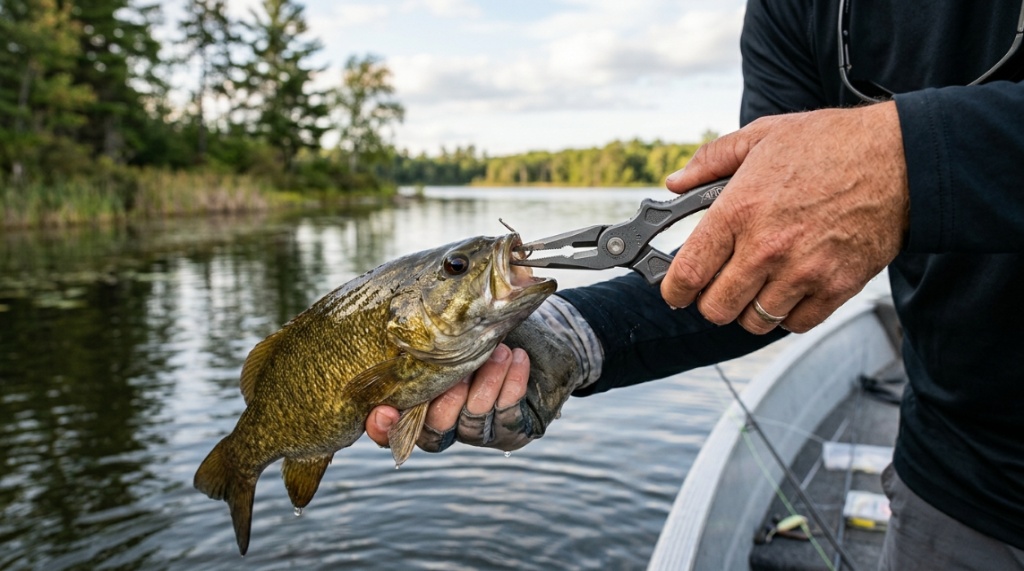
You are standing knee-deep in the icy chop of Lake Michigan, fighting a steelhead, when you feel your pliers start to bind. That cheap, chrome-plated tool you grabbed from the gas station is already showing orange freckles after just two trips. For anglers who fish the Great Lakes—from the rocky shores of Lake Superior to the weedy flats of Lake Erie—rust is a constant enemy. Saltwater is not the only culprit; the mineral-rich freshwater, constant moisture, and temperature swings of these inland seas will destroy any standard tool. That is why you need specialized rust-proof fishing pliers designed to withstand the unique corrosion cycle of the Great Lakes.
What Makes Great Lakes Conditions So Tough on Fishing Pliers?
The Unique Chemistry of the Great Lakes
Unlike a sterile swimming pool or a mountain stream, the Great Lakes contain a high concentration of dissolved minerals, particularly calcium, magnesium, and chlorides. Lake Erie, for example, has significant agricultural runoff that increases conductivity and accelerates galvanic corrosion. When your pliers get wet and sit in a tackle box overnight, these minerals create a perfect electrolyte environment for rust to form, even on stainless steel.
The Thermal Shock Factor
Great Lakes anglers experience extreme temperature shifts. You fish in 40°F water in April and 75°F water in August. This thermal cycling causes moisture condensation inside tool handles and between pivot points. Standard pliers will trap this moisture, leading to internal rust that locks up the joint. Rust-proof pliers must have sealed or open-frame designs that allow water to drain completely.
Sand, Silt, and Abrasive Wear
Lake Michigan has massive sand dune systems that blow onto the water. Lake St. Clair is shallow and silty. This grit acts as sandpaper, wearing away protective coatings. Once the coating is gone, rust follows quickly. True rust-proof pliers rely on solid corrosion-resistant materials rather than paint or plating that can chip off.
Which Materials Actually Prevent Rust in Freshwater Salt Mix Zones?
Titanium: The Gold Standard for Corrosion Resistance
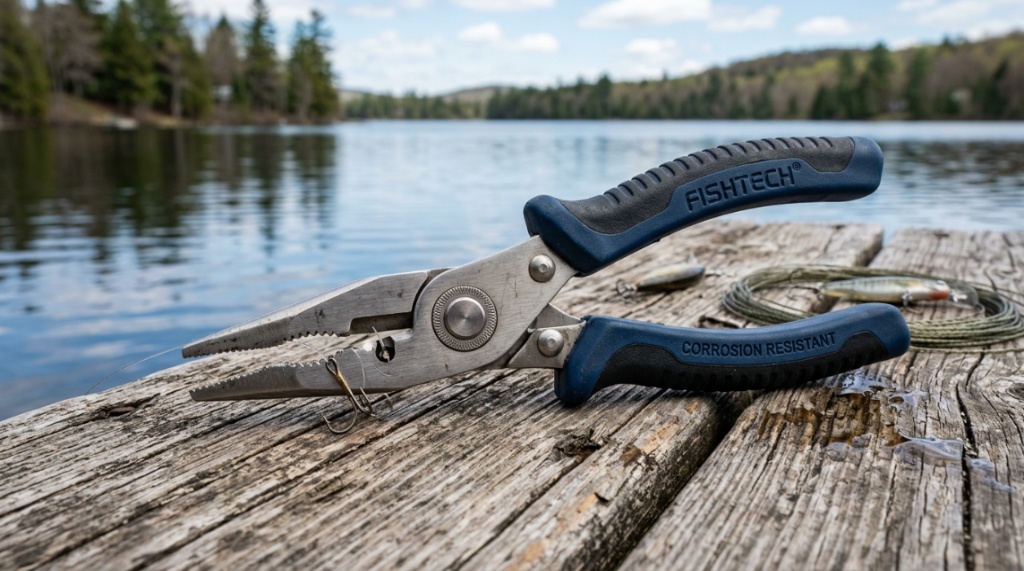
Titanium is the undisputed champion for rust-proof fishing pliers in the Great Lakes. It does not rust, corrode, or oxidize in any freshwater environment, regardless of mineral content. Titanium pliers are also incredibly lightweight, which reduces arm fatigue when unhooking multiple fish. The downside is cost—a good pair will run $60 to $120. For a serious steelhead or musky angler, it is a worthwhile investment that eliminates tool replacement costs.
Martensitic vs. Austenitic Stainless Steel
Not all stainless steel is equal. Many affordable pliers use 400-series martensitic stainless steel, which is hard but can still rust if the surface is scratched. For the Great Lakes, you need 300-series austenitic stainless steel, particularly 316 or 316L marine-grade. This alloy contains molybdenum, which provides superior resistance to pitting corrosion from chlorides. Always check the steel grade before buying.
DLC and PVD Coatings: Helpful but Not Foolproof
Diamond-like carbon (DLC) and physical vapor deposition (PVD) coatings add a hard, slick surface that resists both corrosion and abrasion. However, these coatings are only as good as the underlying metal. If the base metal is cheap, any scratch exposes it to moisture. Look for coated pliers built on 316 stainless or titanium, not just coated carbon steel.
How to Identify True Rust-Proof Pliers vs. Marketing Hype
Check the Pivot Mechanism
The pivot pin is the first place rust forms. True rust-proof pliers use a through-hole design with a stainless steel screw or a fully exposed pivot that can be rinsed and dried. Avoid pliers with hidden internal springs or enclosed joints that trap water. Look for pliers with a self-lubricating polymer washer between the handles, which prevents metal-on-metal contact and corrosion.
Examine the Spring and Screws
Many pliers boast a “corrosion-proof” body but use a carbon steel spring that rusts after one season. High-quality models use titanium springs or no spring at all. The same applies to the screws and rivets. If the small hardware rusts, it locks the tool up completely. Ensure all components—screws, springs, and washers—are made of the same rust-proof material.
Test the Handle Grip Design
Rubberized or foam handles often trap moisture against the metal shaft. In the Great Lakes, this creates a hidden rust zone. The best rust-proof pliers have full-metal handles with textured grip inserts or removable rubber grips that can be taken off for drying. Alternatively, some models use over-molded rubber that covers the entire handle base, eliminating gaps where water sits.
What Are the Best Rust-Proof Pliers for Pier and Beach Fishing?
Long-Handled Pliers for Reach
When fishing from the piers of Lake Michigan or the beaches of Lake Huron, you often need extra reach to unhook fish or cut line in rough water. Look for pliers with 8-inch to 10-inch handles. Titanium long-nose pliers offer the best combination of reach and rust resistance. They allow you to keep your distance from a fish’s teeth while maintaining precision grip.
Side-Cutter vs. Replaceable Inserts
Pier and beach fishing often involves cutting braided line, which quickly dulls standard side-cutters. Replaceable carbide or ceramic cutter inserts are a key feature for rust-proof pliers used in these conditions. Even if the cutters wear out, the pliers remain rust-free. Avoid models with a single-piece cutter that requires replacing the entire tool when it dulls.
Integrated Sheath and Lanyard System
On a windy pier, dropping your pliers into the rocks means losing them to the lake. Rust-proof pliers meant for this environment should include a corrosion-proof stainless steel or titanium lanyard ring and a molded sheath. The sheath should drain water, not trap it. Mesh or vented sheaths are ideal because they let moisture evaporate quickly.
Can Stainless Steel Pliers Survive a Full Season on Lake Erie?
Real-World Test Conditions
Lake Erie has the highest biological and chemical activity of all the Great Lakes. Algae blooms, agricultural runoff, and shallow, warm water create aggressive corrosion conditions. In my experience, 304 stainless steel pliers will show surface discoloration within three months of regular use. 316 marine-grade stainless steel holds up for a full season but requires weekly rinsing with fresh water and occasional lubrication.
The Hidden Danger of Electrochemical Corrosion
When you pair a stainless steel plier body with a brass or copper cutter insert, you create a galvanic cell. This accelerates corrosion at the contact point. True rust-proof pliers for Lake Erie must use matched metals throughout. Titanium with titanium inserts is ideal. If using stainless steel, ensure the cutter insert is also a compatible stainless alloy, not a dissimilar metal.
Maintenance That Extends Life
Even the most rust-proof pliers benefit from basic care. After each trip to Lake Erie, rinse your pliers with distilled water (not tap water, which adds more minerals). Dry them with a microfiber towel, then apply a drop of food-grade silicone lubricant to the pivot. This simple routine can extend the life of 316 stainless steel pliers to several seasons instead of just one.
What Features Do Great Lakes Charter Captains Demand?
One-Handed Operation and Safety Lock
Professional captains who fish the Great Lakes daily prioritize safety. They need pliers that can be operated with one hand while the other hand holds a thrashing fish. A reliable spring-loaded opening and a locking mechanism that secures the pliers closed when not in use are critical. Look for a lock that is also rust-proof—typically a sliding titanium or stainless latch.
Split Ring and Hook Sharpener Integration
Great Lakes fishing involves frequent lure changes, especially when chasing salmon or walleye. rust-proof fishing pliers designed for charter use often include integrated split ring openers and hook sharpening files. These features eliminate the need for extra tools that add weight and clutter. Ensure the file is made of carbide or diamond, as these materials do not rust.
Non-Slip Grip in Wet Conditions
A charter captain cannot afford to drop pliers into the lake. Look for pliers with ergonomic, contoured handles and high-friction grip surfaces. Some premium models use textured thermoplastic rubber that provides grip even when your hands are covered in fish slime and lake water. Avoid smooth plastic handles that become slippery when wet.
How Does the Great Lakes Winter Season Affect Pliers?
Cold Metal Brittleness
When the temperature drops below freezing, some metals become more brittle. Cheap stainless steel pliers can snap at the joint if you apply too much twisting force on a frozen hook. Titanium retains its ductility in cold weather, making it the safer choice for winter steelheading on Lake Michigan tributaries. Always choose pliers rated for low-temperature use.
Ice Buildup at the Pivot
In sub-freezing conditions, moisture inside the pivot can freeze, locking the pliers open or closed. Rust-proof pliers with an open-frame design allow water to drain before it can freeze. Some anglers also apply a drop of antifreeze-compatible lubricant like PTFE (Teflon) to the pivot before winter trips. This prevents ice from binding the action, For more storage solutions once you are off the water, check out our guide on how to keep fishing tackle organized and easy to access.
Storing Pliers in Cold Weather
Do not leave rust-proof pliers in a cold car overnight. The thermal mass of the metal will cause condensation when you bring them inside, leading to moisture exposure. Store pliers indoors in a dry location. If they were used in snow or rain, dry them thoroughly before storage. A small silica gel packet in your tackle box helps absorb residual moisture.
Which Brands Offer the Most Reliable Corrosion Warranty?
Understanding the Fine Print
Some manufacturers offer a “lifetime warranty” but exclude corrosion damage, claiming it is normal wear and tear. For Great Lakes fishing, look for brands that specifically warrant against rust and corrosion. A few premium tool makers provide a no-questions-asked replacement policy if your pliers rust within the first year. This is a strong indicator of confidence in their material choice.
Domestic vs. Overseas Manufacturing
Many rust-proof pliers sold in the US are manufactured overseas using lower-grade stainless steel that is labeled as “surgical” or “marine” but does not meet actual standards. Domestic manufacturers often use certified 316 stainless steel and titanium sourced from reputable mills. While domestic models cost more, they typically hold up longer in Great Lakes conditions.
Customer Service and Replacement Parts
A brand that sells replacement cutter inserts, screws, and springs demonstrates commitment to long-term use. Avoid disposable pliers that cannot be repaired. Companies that offer rebuild kits allow you to keep your rust-proof pliers in service for years, reducing waste and saving money. Check online forums for real-world feedback from Great Lakes anglers before buying.
Are Multi-Tool Pliers a Good Choice for Great Lakes Fishing?
The Convenience vs. Durability Trade-off
Multi-tool pliers offer the advantage of carrying scissors, a knife, and a file in one package. However, the moving parts and crevices create many places for rust to hide. Most multi-tools use 400-series stainless steel, which is not fully rust-proof. For Great Lakes use, you are better off with dedicated rust-proof fishing pliers and a separate cutting tool, as each can be optimized for corrosion resistance.
When a Multi-Tool Makes Sense
If you fish from a kayak or wade remote streams, carrying multiple tools is impractical. In these situations, choose a multi-tool made from 420HC stainless steel with a black oxide coating. While not fully rust-proof, a proper maintenance routine can extend its life. Rinse and dry the multi-tool immediately after use, and apply a corrosion inhibitor spray to the pivot points weekly.
The Best Multi-Tool Alternative
Consider a dedicated pair of titanium pliers paired with a small folding knife that has a ceramic blade. Ceramic knives are completely rust-proof and hold an edge well. This combination gives you the rust protection of titanium with the utility of a blade, without the corrosion-prone hinges and springs of a multi-tool. It is a more reliable setup for serious Great Lakes anglers.
Frequently Asked Questions
What is the most rust-proof material for fishing pliers?
Titanium is the most rust-proof material commonly available. It will not corrode in any freshwater, saltwater, or mixed mineral environment. It is lightweight, strong, and completely resistant to the chemical conditions found in the Great Lakes.
Can I use saltwater fishing pliers in Lake Michigan?
Yes, saltwater fishing pliers are rated for aggressive corrosion environments and work perfectly in the Great Lakes. In fact, saltwater-rated pliers often exceed the rust protection needed for freshwater, making them an excellent choice for this region.
How long should rust-proof pliers last on Lake Erie?
With proper care, titanium pliers should last a lifetime. Marine-grade 316 stainless steel pliers typically last 3 to 5 seasons of regular fishing if rinsed after each use. Cheaper stainless steels may need replacement after one or two seasons.
Do I need to oil my rust-proof pliers?
Yes, even titanium pliers benefit from occasional lubrication. A drop of silicone or PTFE lubricant on the pivot twice a season prevents binding and keeps the action smooth. This also prevents galvanic corrosion if dissimilar metals are used in the pivot assembly.
What is the best length of pliers for Great Lakes fishing?
6-inch pliers are fine for panfish and small bass. For salmon, steelhead, or musky, an 8-inch plier provides better leverage and reach. Pier and surf anglers may prefer 10-inch models for extra distance when unhooking fish in the surf.
Are coated pliers better than uncoated stainless steel?
Only if the coating is applied over a corrosion-resistant base metal. A DLC or PVD coating adds scratch resistance and reduces friction, but if the base metal is prone to rust, a scratch will expose it. Uncoated 316 stainless steel or titanium is generally more reliable.
How do I dry my pliers after a winter fishing trip?
Wipe them with a dry microfiber towel, then use compressed air or a hair dryer on low heat to blow moisture out of the pivot. Store them in a warm, dry room for 24 hours before returning them to your tackle box. This prevents hidden moisture from causing damage.
Conclusion
Fishing the Great Lakes demands tools that can handle more than just fish. The mineral-rich water, abrasive sand, and extreme temperature swings will destroy ordinary pliers in a season. By choosing true rust-proof fishing pliers made from titanium or marine-grade 316 stainless steel, you eliminate the headache of rusty tools and failed gear at critical moments. Focus on pliers with open-frame designs, matched metal components, and replaceable cutter inserts. Pair them with a simple maintenance routine of rinsing, drying, and lubricating, and your pliers will outlast many seasons of Great Lakes adventures. Invest in quality once, and you will never fish with rusty pliers again.