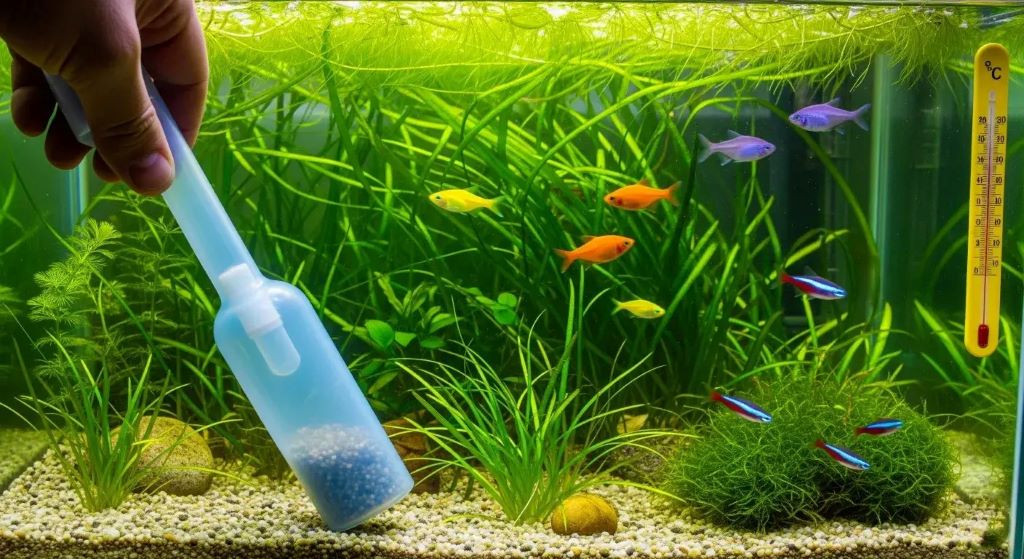
A clean aquarium is essential for the health and happiness of your fish. In 2026, maintaining a pristine tank while keeping your aquatic pets calm is a top priority. Proper aquarium gravel cleaning removes harmful debris without causing unnecessary stress to your fish, ensuring a thriving environment for all.
Research shows that 75% of fish stress in home aquariums is caused by sudden changes in their environment. This trend highlights the importance of gentle, consistent aquarium gravel cleaning. Additionally, aquarium experts agree that regular, careful substrate maintenance prevents toxic buildup while keeping fish at ease. Furthermore, fish tank cleaning tips and aquarium care practices can help you maintain a balanced, stress-free habitat.
Therefore, using the right techniques can keep your tank clean and your fish healthy and happy.
Why Gentle Gravel Cleaning Matters
Many aquarium owners assume that thorough cleaning requires removing all gravel or using harsh methods. However, aggressive cleaning can disrupt the beneficial bacteria in your substrate and stress your fish. Proper aquarium gravel cleaning removes waste while preserving the delicate balance of your tank’s ecosystem.
Moreover, data from the American Veterinary Medical Association reveals that stressed fish are more susceptible to disease. This statistic underscores the value of using fish tank cleaning tips that prioritize the well-being of your aquatic pets. A well-maintained tank with regular substrate maintenance promotes a healthy, low-stress environment.
Additionally, gentle cleaning can enhance the aesthetic of your aquarium. Clear water and clean gravel allow you to fully enjoy the beauty of your fish and decorations. Consistent aquarium care ensures your tank remains a vibrant, inviting centerpiece in your home.
Key Tips for Stress-Free Gravel Cleaning
When cleaning your aquarium gravel, follow these essential fish tank cleaning tips to minimize stress:
- Use a Gravel Vacuum: Opt for a gentle gravel vacuum to remove debris without disturbing the substrate too much. This tool allows you to clean efficiently while keeping fish calm.
- Clean in Sections: Divide your tank into sections and clean one area at a time. This prevents sudden changes in the environment and reduces stress for your fish.
- Avoid Full Gravel Replacement: Only replace gravel if absolutely necessary. Partial cleaning preserves beneficial bacteria and maintains stability in your aquarium care routine.
- Monitor Water Parameters: Test water conditions before and after cleaning to ensure stability. Sudden changes in pH, ammonia, or temperature can stress fish.
- Keep Fish in the Tank: Avoid removing fish during cleaning unless absolutely necessary. Use a gentle approach to clean around them, ensuring minimal disruption to their habitat.
Step-by-Step Guide to Cleaning Aquarium Gravel Without Stressing Fish
Step 1: Prepare Your Equipment
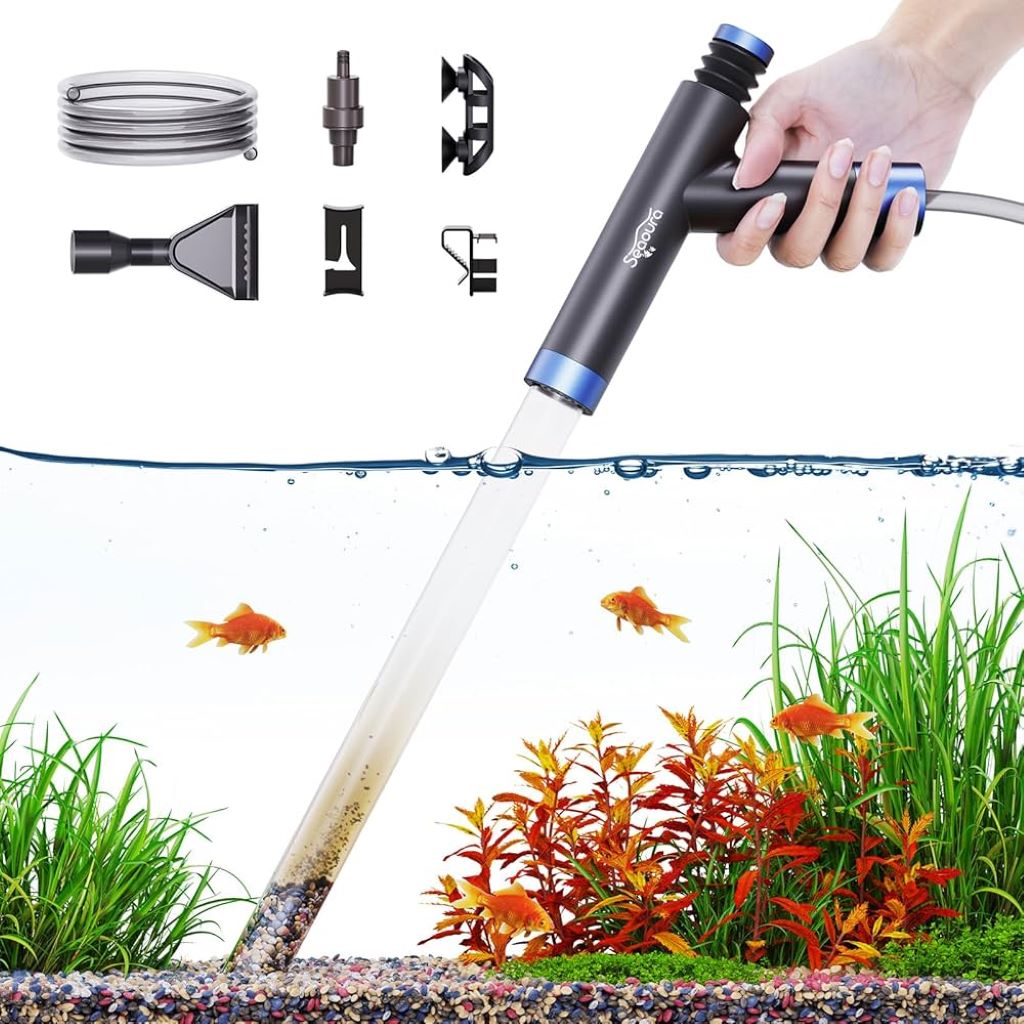
Gather a gravel vacuum, clean bucket, and water conditioner. Ensure your gravel vacuum is appropriate for your tank size. This preparation is the foundation of effective aquarium gravel cleaning.
Step 2: Unplug Equipment
Turn off and unplug heaters, filters, and other electrical equipment before starting. This prevents accidents and ensures safety during substrate maintenance.
Step 3: Start with a Partial Water Change
Remove about 10-20% of the water from your tank before cleaning. This helps dilute any toxins released during the cleaning process, aligning with fish tank cleaning tips for a healthier environment.
Step 4: Use the Gravel Vacuum Gently
Insert the gravel vacuum into the substrate and allow it to sink slightly. Move it slowly through the gravel, letting debris rise naturally. Avoid digging too deeply to preserve beneficial bacteria, a key aspect of aquarium care.
Step 5: Clean in Sections
Focus on one section of the tank at a time. This gradual approach prevents sudden changes in the environment, reducing stress for your fish. Move systematically to ensure all areas receive attention during substrate maintenance.
Step 6: Avoid Disturbing Fish
Clean around your fish rather than chasing them. Use slow, deliberate movements to avoid startling them. This gentle method aligns with fish tank cleaning tips to keep your aquatic pets calm.
Step 7: Monitor Fish Behavior
Watch your fish for signs of stress, such as erratic swimming or hiding. If you notice these behaviors, pause cleaning and allow your fish to settle. This observation is crucial for effective aquarium care.
Step 8: Replace Water Gradually
Add the cleaned water back into the tank slowly to avoid shocking your fish. Use a water conditioner to remove chlorine and other harmful substances. This step ensures a stable environment, a key part of substrate maintenance.
Step 9: Test Water Parameters
After cleaning, test the water for pH, ammonia, nitrite, and nitrate levels. This ensures the water conditions remain safe and stable for your fish, a critical aspect of aquarium gravel cleaning.
Step 10: Maintain a Regular Schedule
Establish a regular cleaning routine to prevent debris buildup. Consistent substrate maintenance reduces the need for deep cleaning and keeps stress levels low for your fish.
Top Tools for Stress-Free Aquarium Gravel Cleaning
Best Overall: Python No-Spill Clean and Fill Aquarium Maintenance System
The Python No-Spill Clean and Fill system connects directly to your faucet for powerful, consistent suction. This tool is ideal for aquarium gravel cleaning, allowing you to remove debris and replace water simultaneously. It minimizes stress by maintaining stable water conditions.
Pros:
- Connects to faucet for easy water changes
- No-spill design for stress-free cleaning
- Compatible with most tank sizes
Cons:
- Requires access to a faucet
Best for Small Tanks: Tetra EasyClean Gravel Vacuum
The Tetra EasyClean Gravel Vacuum is a manual, siphon-style cleaner ideal for small tanks. This tool is lightweight and easy to use, making it perfect for gentle substrate maintenance. It includes a debris collection cup for efficient cleaning.
Pros:
- Lightweight and easy to maneuver
- Includes debris collection cup
- Affordable and simple to use
Cons:
- Manual operation may require more effort
Best for Planted Tanks: Fluval Gravel Vacuum
The Fluval Gravel Vacuum is designed for delicate substrates like planted tanks. This tool features gentle suction and a fine mesh filter to protect plants and small organisms. It is ideal for maintaining a balanced ecosystem during aquarium care.
Pros:
- Gentle suction for planted tanks
- Fine mesh filter to protect plants
- Lightweight and easy to use
Cons:
- May not be as powerful for large debris
Best for Large Tanks: EHEIM Quick Vac Pro Automatic Gravel Cleaner
The EHEIM Quick Vac Pro is a battery-powered gravel cleaner designed for larger tanks. This tool features strong suction and a large debris collection container. It is ideal for thorough, stress-free substrate maintenance in bigger aquariums.
Pros:
- Battery-powered for consistent suction
- Large debris collection container
- Suitable for larger tanks
Cons:
- Higher price point than manual options
Best for Versatility: Aqueon Siphon Vacuum Gravel Cleaner
The Aqueon Siphon Vacuum Gravel Cleaner is a versatile option for various tank types. This tool includes multiple nozzle sizes and a debris collection bag. It is suitable for both freshwater and saltwater aquariums, making it a flexible choice for substrate maintenance.
Pros:
- Multiple nozzle sizes for versatility
- Includes debris collection bag
- Suitable for freshwater and saltwater tanks
Cons:
- Manual siphon may require practice
Common Mistakes to Avoid
- Cleaning Too Aggressively: Vigorous cleaning can disturb beneficial bacteria and stress fish. Always use a gentle approach for aquarium gravel cleaning.
- Removing All Gravel at Once: Replacing all gravel at once can disrupt the tank’s ecosystem. Clean in sections to maintain stability, a key fish tank cleaning tip.
- Ignoring Fish Behavior: Failing to monitor fish for signs of stress can lead to health issues. Always observe your fish during substrate maintenance.
- Skipping Water Testing: Not testing water parameters after cleaning can result in unsafe conditions. Always check pH, ammonia, nitrite, and nitrate levels as part of aquarium care.
- Using Harsh Chemicals: Cleaning with soaps or detergents can harm fish and beneficial bacteria. Stick to water-only cleaning for safe aquarium gravel cleaning.
Benefits of Stress-Free Aquarium Gravel Cleaning
Cleaning aquarium gravel without stressing your fish offers several advantages beyond just a clean tank. It can improve the health of your aquatic environment by removing harmful debris and preventing toxic buildup. Additionally, regular substrate maintenance with fish tank cleaning tips can extend the life of your tank and its inhabitants.
Moreover, a gentle cleaning approach can enhance the aesthetic of your aquarium. Clear water and clean gravel allow you to fully enjoy the beauty of your fish and decorations. Consistent aquarium care ensures your tank remains a vibrant, inviting centerpiece in your home.
Furthermore, stress-free cleaning can save you time and effort. With the right tools and techniques, substrate maintenance becomes a quick, enjoyable task. This allows you to spend less time on chores and more time appreciating your aquatic pets.
FAQs About Cleaning Aquarium Gravel Without Stressing Fish
How do I clean aquarium gravel without stressing my fish?
Use a gentle gravel vacuum to remove debris in sections, avoiding sudden changes in the environment. Clean around your fish rather than chasing them, and monitor their behavior for signs of stress. These fish tank cleaning tips ensure a calm, healthy tank.
How often should I clean my aquarium gravel?
Aim to clean about 10-20% of your gravel during each maintenance session, typically every 1-2 weeks. This regular substrate maintenance prevents debris buildup without disrupting the tank’s ecosystem, a key aspect of aquarium care.
Can I clean gravel with fish still in the tank?
Yes, you can clean gravel with fish still in the tank. Use a gentle approach and avoid disturbing them. This method aligns with fish tank cleaning tips to minimize stress and maintain a stable environment.
What should I do if my fish seem stressed during cleaning?
Pause cleaning and allow your fish to settle. Ensure the water parameters are stable and avoid sudden movements or loud noises. These steps are crucial for effective aquarium gravel cleaning and aquarium care.
How do I maintain beneficial bacteria during gravel cleaning?
Clean in sections and avoid replacing all gravel at once. This preserves beneficial bacteria and maintains the stability of your tank’s ecosystem, a key part of substrate maintenance and fish tank cleaning tips.
Conclusion
Cleaning aquarium gravel without stressing your fish is about using gentle techniques and the right tools. By focusing on gradual cleaning, monitoring fish behavior, and maintaining stable water conditions, you can keep your tank pristine and your fish healthy. Fish tank cleaning tips and aquarium care practices ensure a thriving, stress-free environment. For freshwater species that can safely benefit from it, learning how to use aquarium salt mix for crystal clear water at home can be a helpful addition to your overall tank maintenance routine and water care strategy.
Ready to upgrade your aquarium maintenance? Invest in the right tools and techniques for aquarium gravel cleaning, and start enjoying a cleaner, healthier tank. Your fish—and your peace of mind—will thank you!