
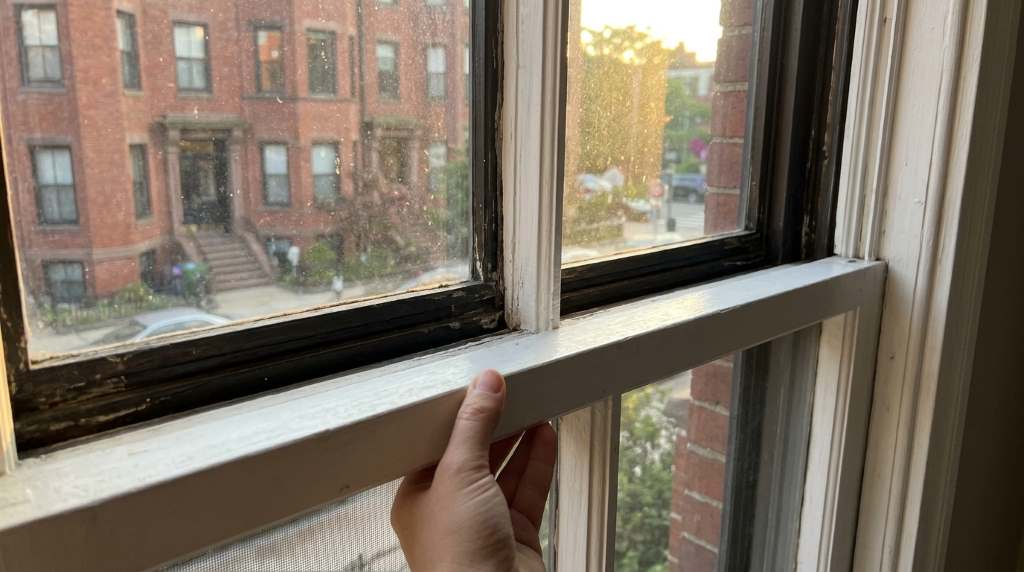
Many homeowners in Boston notice windows that suddenly become difficult to open or close. Seasonal moisture changes often cause this problem throughout the region. According to industry estimates, moisture related expansion affects a significant percentage of residential window systems each year. Additionally, older homes face a higher risk because materials shift over time. While addressing window performance, homeowners often research topics like inside mount roman shades measurements when improving interior spaces. Understanding the cause of tight window frames helps prevent expensive repairs and improves home comfort.
Why Window Frames Become Tight In Boston Homes
Boston experiences humid summers and freezing winters. As a result, building materials constantly expand and contract. Wood absorbs moisture from the air and increases in size. Consequently, windows may stick during seasonal weather shifts. This pattern appears frequently in older neighborhoods across the city.
Temperature fluctuations also affect modern window systems. Although vinyl and composite materials resist moisture better, they still react to environmental conditions. Furthermore, improper installation can worsen frame movement over time. Small alignment problems often grow into larger operational issues. Therefore, early inspection remains important.
Many homeowners focus only on the window sash. However, surrounding structural movement often contributes to the problem. Foundation settling can create uneven pressure around openings. Likewise, roof leaks may introduce hidden moisture into framing materials. Identifying the root cause helps create a lasting solution.
Common Signs Of A Tight Window Frame
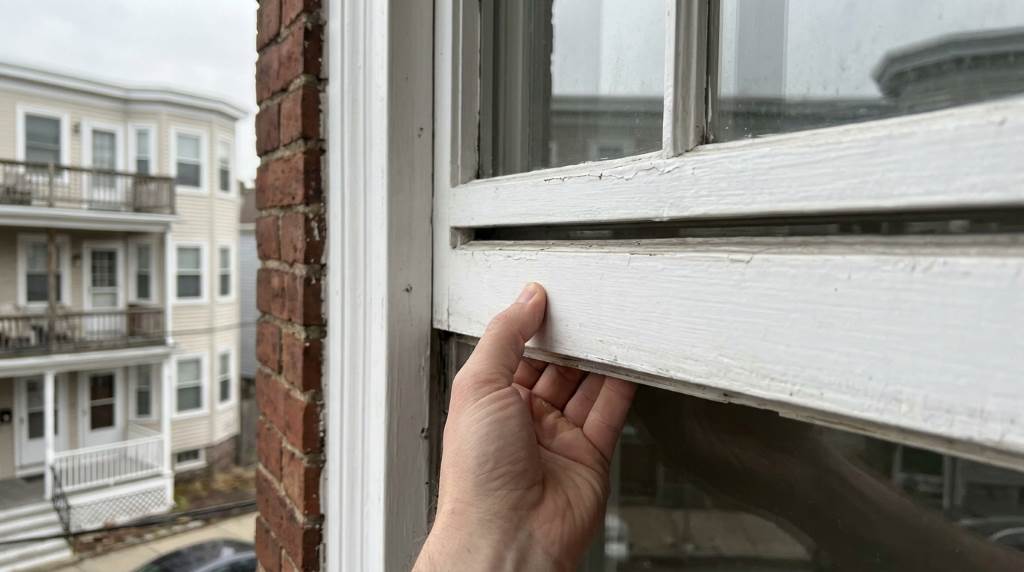
Several warning signs indicate frame issues. First, the window may require extra force to open. Next, you may hear scraping sounds during operation. In addition, paint damage around the edges often appears. These symptoms usually develop gradually.
Energy efficiency can also decline. Small distortions allow unwanted air movement around the frame. Consequently, heating and cooling costs may increase. Many homeowners notice uneven room temperatures during extreme weather. Therefore, window performance deserves regular attention.
Some homes develop condensation near problem windows. Excess moisture creates favorable conditions for mold growth. Likewise, wood components may begin to deteriorate. Addressing these concerns quickly protects both comfort and structural integrity.
How Seasonal Humidity Affects Window Operation
Humidity plays a major role in Boston’s housing environment. During summer months, wooden frames absorb moisture from the air. As a result, they swell and create friction against moving parts. This expansion often causes sticking. Consequently, window operation becomes difficult.
Winter conditions create a different challenge. Dry indoor air can shrink wood materials. Although this may temporarily improve movement, repeated cycles create stress. Over time, components lose their original alignment. Therefore, seasonal maintenance becomes essential.
Homeowners upgrading other areas often improve efficiency simultaneously. For example, people exploring induction cooking saves time benefits frequently invest in broader energy saving improvements. Well maintained windows contribute significantly to overall household efficiency. Consequently, window repairs support long term savings.
Inspecting The Window Frame Before Repairs
Careful inspection helps determine the correct repair strategy. Begin by examining all visible frame surfaces. Look for cracks, swelling, peeling paint, or water stains. Additionally, test the window at different points during movement. This process reveals specific areas of resistance.
Check exterior conditions as well. Damaged caulking often allows moisture infiltration. Likewise, clogged gutters may direct water toward window openings. Identifying these contributing factors prevents recurring problems. Therefore, inspection should include both interior and exterior areas.
Use a flashlight to examine corners and joints. Hidden moisture damage frequently develops in these locations. Furthermore, small structural shifts become easier to identify under close inspection. Documenting observations helps guide repair decisions.
Simple DIY Solutions For Minor Tightness
Clean Window Tracks Thoroughly
Dirt accumulation often creates unnecessary resistance. Start by removing loose debris with a vacuum. Next, wipe surfaces using a damp cloth. Then allow everything to dry completely. Clean tracks improve movement immediately in many cases.
Lubricate Moving Components
Proper lubrication reduces friction significantly. Apply a silicone based lubricant to approved moving parts. Avoid products that attract dust and debris. Furthermore, follow manufacturer recommendations carefully. Consistent maintenance extends component life.
Remove Excess Paint Buildup
Repeated painting can seal windows shut. Carefully score painted edges using a utility knife. Then test movement gradually without excessive force. Additionally, sand rough areas if necessary. This simple approach often restores smooth operation.
Repairing Swollen Wooden Window Frames
Wood swelling represents one of the most common causes of tight windows. First, identify areas where materials have expanded. Then mark contact points carefully. This step prevents unnecessary removal of healthy material. Precision improves repair quality.
Use fine grit sandpaper on affected sections. Remove small amounts gradually while testing movement often. Furthermore, maintain the original frame profile whenever possible. Excessive sanding may create gaps. Therefore, patience remains important during this process.
After sanding, apply a quality primer and paint. Protective coatings reduce future moisture absorption. Consequently, the frame maintains stable dimensions longer. This preventive step improves durability significantly.
Addressing Structural Movement Around Windows
Some tight windows result from structural shifts rather than frame expansion. Settling foundations can distort openings slowly. As a result, windows lose proper alignment. These conditions require more extensive evaluation. Therefore, homeowners should monitor recurring issues closely.
Look for related warning signs throughout the home. Cracks near doors and ceilings often indicate movement. Likewise, uneven flooring may suggest foundation concerns. Identifying broader patterns helps determine appropriate corrective action.
Homeowners updating storage solutions sometimes discover hidden wall conditions. For instance, projects involving a beginners guide to fitted wardrobes frequently expose framing irregularities. Similar inspections near windows can reveal underlying structural concerns. Consequently, repairs become more accurate.
An Overlooked Cause: Urban Heat Island Effects
Many articles discuss moisture and age related issues. However, few mention urban heat island effects. Dense city environments often retain more heat than surrounding areas. As a result, exterior building materials experience greater temperature stress. This factor can influence window performance.
Boston’s brick lined streets and closely spaced buildings create localized temperature variations. Consequently, sun exposed elevations may expand more aggressively. Repeated heating cycles increase stress on frames and surrounding materials. Therefore, exposure patterns deserve consideration during diagnosis.
South facing windows often experience stronger thermal loads. Likewise, dark exterior finishes absorb additional heat. Understanding these influences helps homeowners anticipate seasonal challenges. This uncommon consideration improves long term maintenance planning.
Preventing Moisture Related Window Problems
Prevention costs less than major repairs. Start by controlling indoor humidity levels throughout the year. Use exhaust fans in kitchens and bathrooms regularly. Additionally, address plumbing leaks immediately. These habits reduce excess moisture exposure.
Inspect exterior caulking annually. Replace damaged sections before water enters vulnerable areas. Furthermore, keep drainage systems functioning properly. Effective water management protects window assemblies significantly. Therefore, routine inspections deliver lasting benefits.
Some homeowners learn valuable moisture management lessons from issues discussed in unusual water issues miami households. Although climates differ, moisture control principles remain relevant. Consistent prevention reduces the likelihood of future frame problems.
When Window Replacement Makes More Sense
Not every tight frame requires replacement. However, severe deterioration may justify a full upgrade. Extensive rot often compromises structural performance. Likewise, repeated repairs can become costly. Therefore, homeowners should evaluate long term value carefully.
Modern window systems offer improved insulation and durability. Consequently, they often reduce energy expenses. New designs also resist moisture related movement more effectively. These benefits support greater comfort throughout the year.
Consult qualified professionals when major damage exists. Expert evaluations provide accurate recommendations. Furthermore, professionals can identify hidden concerns. This guidance helps homeowners make informed investment decisions.
Maintenance Checklist For Boston Homeowners
- Inspect windows every spring and fall.
- Clean tracks and moving parts regularly.
- Monitor indoor humidity levels.
- Check exterior caulking annually.
- Address leaks immediately.
- Lubricate approved hardware components.
- Watch for signs of structural movement.
- Repair paint damage promptly.
Following a consistent maintenance schedule prevents many common problems. Additionally, routine inspections identify issues before they become expensive. Small actions often produce significant long term benefits. Consequently, homeowners enjoy smoother window operation year round.
Conclusion
Tight window frames create frustration and reduce home efficiency. Fortunately, most issues have clear causes and practical solutions. Whether moisture, structural movement, or thermal stress creates the problem, early action delivers better results. Consistent maintenance protects window performance and extends lifespan. If your windows continue sticking despite basic repairs, contact a qualified local professional for a detailed inspection and customized solution.
FAQs
Why do my windows stick more during summer?
Higher humidity causes wooden components to absorb moisture and expand.
Can I sand a tight wooden window frame myself?
Yes, minor swelling often responds well to careful sanding and refinishing.
How often should I inspect my windows?
Inspect windows at least twice each year during seasonal transitions.
Does foundation settling affect window operation?
Yes, structural movement can distort openings and create alignment problems.
When should I replace instead of repair a window?
Replacement becomes practical when severe rot, damage, or repeated failures occur.