Creating a healthy crab habitat requires consistent care, balanced water conditions, and suitable shelter for every species. Studies estimate that healthy coastal wetlands support thousands of marine organisms within a single acre, while water quality directly affects crab survival. Therefore, understanding local conditions helps hobbyists and conservation enthusiasts protect these fascinating creatures. Many owners also improve success through proper fiddler crab tank maintenance, which supports cleaner habitats and healthier crab behavior over time.
Understand Charleston’s Natural Crab Environment
Charleston offers salt marshes, tidal creeks, and estuaries that naturally support several crab species. These habitats inspire excellent captive environments because they provide stable moisture and shelter.
Successful habitats begin with clean water and balanced mineral levels. Additionally, learning aquarium salt mix methods helps maintain water quality for crabs living in brackish conditions.
Observe seasonal weather changes because temperature influences crab activity and feeding habits. Consistent environmental conditions reduce stress and encourage natural behaviors throughout the year.
Create the Right Habitat Setup
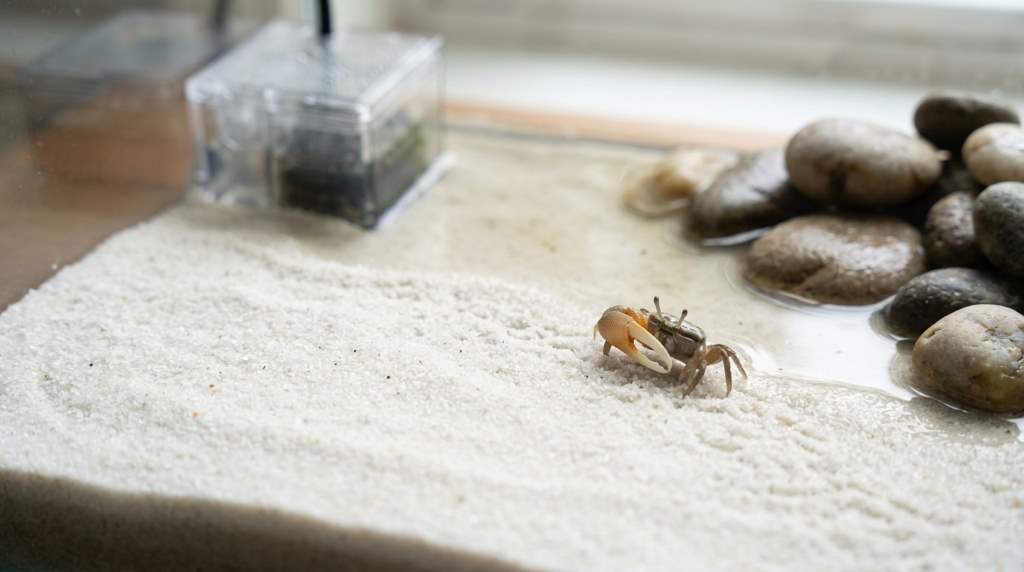
A well designed enclosure should include both land and shallow water areas. Every crab needs enough space to burrow, explore, and rest comfortably.
Select a Suitable Tank
Choose a spacious enclosure with secure ventilation and escape proof construction. Larger habitats allow better temperature stability and healthier crab movement.
- Use a secure mesh lid.
- Provide climbing structures.
- Create separate wet and dry zones.
- Avoid overcrowding.
Use the Best Substrate
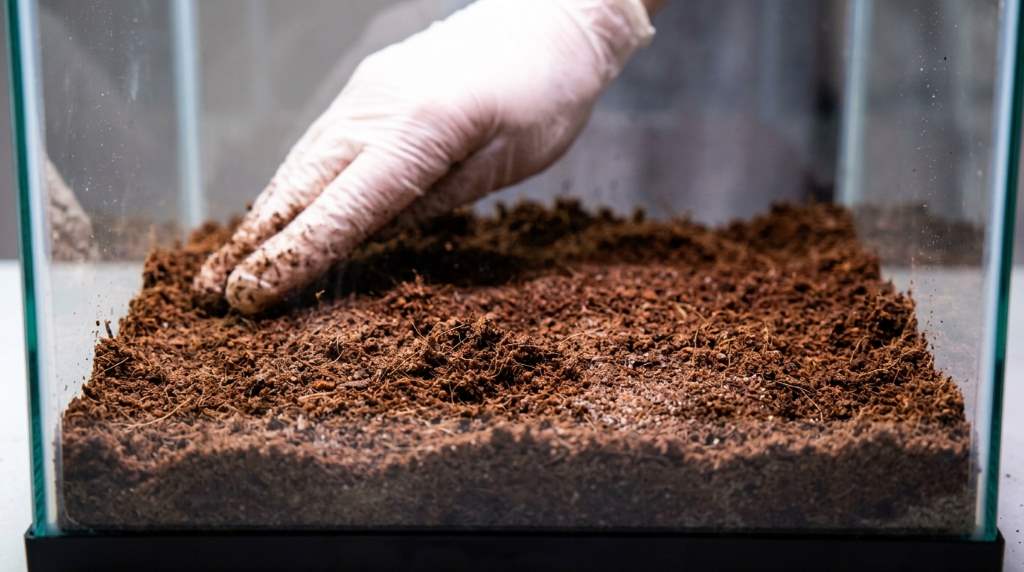
Natural sand mixed with coconut fibre supports digging while holding proper moisture. Moreover, regular clean aquarium gravel practices reduce waste buildup around the habitat.
The substrate should remain slightly damp without becoming waterlogged. Healthy burrowing conditions help crabs feel secure and reduce unnecessary stress.
Maintain Proper Water Quality
Water quality remains one of the most important factors for crab health. Dirty water encourages harmful bacteria and unpleasant odours.
Replace part of the water every week instead of changing everything at once. Gradual changes prevent sudden environmental shifts that may shock crabs.
Always remove leftover food before it begins decomposing inside the enclosure. Clean conditions reduce disease risks and improve overall habitat stability.
Monitor Water Parameters
Test water regularly using reliable aquarium kits for accurate readings. Stable conditions support normal moulting, feeding, and daily activity.
- Maintain suitable salinity.
- Check pH consistently.
- Monitor ammonia levels.
- Keep nitrate levels low.
Provide Proper Temperature and Humidity
Crabs thrive when environmental conditions closely resemble their natural surroundings. Stable temperatures encourage normal movement and healthy feeding patterns.
Use a reliable thermometer and hygrometer for daily monitoring. Consistent readings allow quick adjustments whenever conditions begin changing unexpectedly.
Humidity should remain high enough to support healthy breathing and successful moulting. However, excessive moisture without ventilation encourages unwanted mould growth.
Heating Tips
Place heating equipment outside the enclosure for safer operation. Gentle warmth creates comfortable living conditions without overheating sensitive animals.
Feed a Balanced Diet
A varied diet supports stronger shells, healthy growth, and active behaviour. Fresh foods also provide valuable nutrients missing from processed options.
Offer vegetables, seafood, algae, and commercial crab foods throughout the week. Furthermore, rotating food choices prevents nutritional deficiencies over time.
Remove uneaten food within several hours to maintain cleanliness. Fresh feeding routines also discourage insects and harmful bacterial growth.
Healthy Food Choices
- Leafy vegetables.
- Shrimp pieces.
- Fish flakes.
- Seaweed.
- Calcium rich supplements.
Encourage Natural Behaviours
Healthy crabs spend time climbing, digging, and exploring their surroundings every day. Environmental enrichment reduces boredom while improving physical activity.
Add rocks, driftwood, shells, and small hiding places throughout the habitat. Changing decorations occasionally also encourages curiosity without creating unnecessary stress.
Avoid handling crabs unless absolutely necessary for cleaning or health checks. Gentle observation allows natural behaviours without causing fear.
Keep the Habitat Clean
Routine cleaning prevents harmful waste from accumulating inside the enclosure. Small maintenance tasks remain easier than major cleanups later.
Spot clean visible debris every day before bacteria multiply. Weekly maintenance also helps identify problems before they affect crab health.
Disinfect decorations only with products designed for aquarium environments. Afterwards, rinse everything thoroughly before returning items to the habitat.
Recognise Early Signs of Health Problems
Healthy crabs remain active, responsive, and interested in food. Behavioural changes often signal environmental issues before physical symptoms appear.
Watch for unusual inactivity, shell damage, colour changes, or difficulty walking. Early intervention usually improves recovery and reduces long term complications.
Record observations regularly because patterns become easier to identify over time. Careful monitoring supports faster habitat adjustments whenever necessary.
Common Mistakes to Avoid
- Using untreated tap water.
- Ignoring humidity levels.
- Overfeeding the crabs.
- Cleaning the entire habitat at once.
- Keeping incompatible species together.
- Providing insufficient hiding spaces.
Conclusion
Maintaining a healthy crab habitat depends on consistent care, balanced environmental conditions, and regular observation. Small improvements often create significant long term benefits for crab wellbeing.
Start improving your habitat today by following these practical steps and maintaining a regular care routine. Healthy environments reward owners with active, fascinating crabs that display natural behaviours every day.
Frequently Asked Questions
How often should I clean a crab habitat?
Spot clean daily and perform partial cleaning every week.
Do crabs need both land and water?
Yes, many crab species require access to both areas for healthy living.
What temperature is best for most pet crabs?
Most species thrive within their recommended warm temperature range.
Can I use ordinary table salt for crab habitats?
No, always use aquarium products designed for aquatic environments.
Why is my crab hiding all the time?
Hiding often occurs during moulting, stress, or natural resting periods.