

A good swim bag does more than carry your gear. It keeps wet and dry items separate, holds up through chlorine and saltwater exposure, and looks great on the way to and from the pool or beach. However, with so many options available in 2026, finding the right one can feel like a challenge.
The market has evolved significantly. Today’s swim bags combine smart design with durable materials and stylish finishes. Whether you swim laps every morning, hit the beach on weekends, or do both, there is a bag built specifically for your lifestyle.
This guide walks you through everything you need to know before you buy. From materials and compartments to size and style, each section helps you narrow down your options with confidence.
Why Your Swim Bag Choice Matters More Than You Think
Most people grab any old bag for the pool. They toss in a wet towel, a damp swimsuit, and a water bottle, and end up with a soggy, smelly mess by the time they get home. A purpose-built swim bag solves all of that.
A well-designed bag protects your belongings from moisture, organizes your essentials efficiently, and survives the wear and tear of a regular swimming routine. Additionally, it reflects your personal style. You carry it into the gym, the locker room, the pool deck, and the café afterward. It should look as good as it performs.
Therefore, investing a little time in choosing the right bag is absolutely worth it. The sections below cover every factor that matters.
Understanding the Different Types of Swim Bags
Not all swim bags are built the same. The type you choose should match how and where you swim.
Mesh Swim Bags
Mesh bags are the classic choice for competitive swimmers and frequent lap swimmers. The open weave allows water and air to flow freely through the bag, which means your wet gear dries as you carry it. Mesh is lightweight, easy to clean, and usually very affordable.
However, mesh bags offer little weather protection and limited organization. They are best suited for swimmers who go straight from pool to home and do not need to carry valuables or dry items separately.
Waterproof and Water-Resistant Totes
Waterproof totes are a step up in versatility. They protect the contents from external moisture and often include dedicated wet pockets or separate compartments for damp gear. Many women’s pool totes fall into this category, combining practical waterproofing with structured designs that look polished in any setting.
Water-resistant bags are slightly different from fully waterproof ones. They repel light splashes and spray but are not designed for full submersion or heavy rain. For most swimmers, water-resistant is sufficient.
Backpack-Style Swim Bags
Swim backpacks distribute weight evenly across both shoulders, making them ideal for longer commutes or cyclists who ride to the pool. They typically offer more storage space than totes and often include padded laptop sleeves and multiple zip compartments.
The downside is that a backpack is bulkier and less convenient to sling over one shoulder. If style and ease of access are priorities, a tote may serve you better.
Hybrid Tote and Drawstring Bags
Hybrid designs combine the roomy opening of a tote with a drawstring or zip closure for security. These are growing in popularity because they offer quick access while still keeping contents enclosed. Additionally, many hybrid designs include both carry handles and a shoulder strap, giving you flexibility in how you carry them.
Key Features to Look for in a Swim Bag
Once you know which type suits your lifestyle, the next step is evaluating specific features. Here is what to look for.
Wet and Dry Separation
This is the most important functional feature in any swim bag. A dedicated wet pocket keeps your damp swimsuit and towel away from your dry clothes, phone, and snacks. Look for a sealed, waterproof wet pocket with a zip closure rather than a simple open pouch.
Some bags include two separate wet pockets, which is useful if you carry multiple wet items. Swimmers who travel directly from the pool to work or social plans especially benefit from this feature.
Material Durability
The material your bag is made from determines how long it lasts. Nylon is one of the best options. It is lightweight, strong, resistant to mildew, and quick-drying. Polyester is similarly durable and slightly more affordable. Both materials handle chlorine and saltwater exposure well over time.
Avoid bags made from untreated canvas or fabric blends that absorb moisture. These develop mildew and odour quickly when used regularly for swimming.
Strap Comfort and Adjustability
You may carry your swim bag to and from the pool every day. Comfortable straps matter more than many buyers realize until they experience strap dig or slippage. Look for padded shoulder straps on backpacks and wide, reinforced handles on totes. Adjustable straps give you flexibility for different carrying positions.
Additionally, check where the straps attach to the bag. Reinforced attachment points resist tearing under heavy loads, which is especially important if you carry shoes, paddles, fins, or other training equipment.
Size and Capacity
Swim bags range from compact totes that hold just the basics to large duffel-style bags that fit a full kit, training equipment, and a change of clothes. Think about what you typically carry and size up slightly from that.
A bag that is too small forces you to overstuff it, which stresses the seams and zippers. A bag that is too large becomes cumbersome and untidy. Most recreational swimmers are well served by a medium-sized bag in the 20 to 30-litre range.
Ventilation and Drainage
Some bags include ventilation panels or small drainage holes that allow air circulation and prevent pooling water inside the bag. This is particularly useful in mesh bags and wet pockets. Ventilation helps gear dry faster and prevents the stale, damp smell that builds up in poorly ventilated bags over time.
Style and Aesthetics in 2026
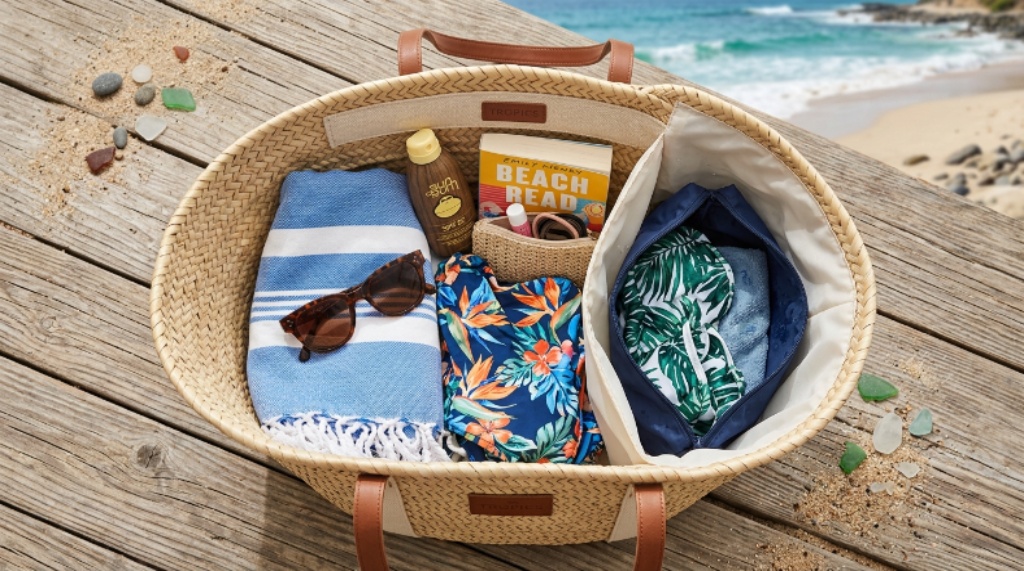
Functionality matters, but style has become increasingly important in swim bag design. In 2026, the best chic beach bags blur the line between sports gear and fashion accessories. This shift reflects how women use their bags throughout the day, not just at the pool or beach.
Clean, minimal designs in neutral tones are popular for versatility. A bag that transitions smoothly from poolside to a casual lunch or weekend errand run adds genuine daily value. Structured totes with subtle branding, premium hardware, and thoughtful proportions are particularly sought after this year.
Bright, bold colours and nature-inspired prints remain popular for beach-specific bags. These reflect the relaxed, expressive energy of outdoor swimming culture. The key is finding a style that suits the contexts in which you will actually use the bag.
Lining quality also contributes to perceived style and practicality. A smooth, wipeable interior lining is easy to clean and prevents odours from embedding in the fabric. It also feels more premium and polished than a rough or loosely stitched interior.
Matching Your Bag to Your Swimming Routine
Your choice should reflect how you actually swim, not just how you imagine you might swim. Here are some common swimmer profiles and the bags that suit them best.
Daily lap swimmers at a pool need maximum durability and organisation. A structured tote or backpack with a sealed wet pocket, nylon construction, and reinforced straps is ideal. Lightweight and easy to clean is more important than fashion-forward styling for this group.
Recreational swimmers who visit the pool a few times a week have more flexibility. A mid-sized, water-resistant tote with a wet pocket and a clean aesthetic covers all the bases. Many women’s pool totes in this category are versatile enough for gym sessions and casual outings as well.
Beach and open-water swimmers often want a larger bag that fits a towel, sunscreen, snacks, and a change of clothes in addition to swim gear. A roomy tote or hybrid bag with wide opening access works well. Additionally, a stylish finish matters more in this context because the bag spends time on display at the beach.
Travelling swimmers need a compact, lightweight bag that fits inside a suitcase or carry-on without taking up too much space. Foldable totes and soft-sided backpacks work particularly well here. Look for bags that compress flat when empty.
How to Care for Your Swim Bag
Proper care extends the life of any swim bag significantly. After each use, remove all wet items promptly. Leaving damp gear inside a sealed bag for hours accelerates mildew growth and causes persistent odours.
Rinse the bag with clean water after pool sessions to remove chlorine residue. Chlorine breaks down fabrics over time if left to sit, especially in stitching and zippers. Allow the bag to air dry completely before storing it or packing it again.
Most nylon and polyester bags can be wiped clean with a damp cloth. For deeper cleaning, hand washing in cool water with a mild detergent is usually safe. Always check the manufacturer’s care instructions before machine washing, as agitation can damage waterproof coatings and zip mechanisms.
Conclusion
Choosing the right swim bag in 2026 comes down to matching features to your lifestyle. Start by identifying your swim type and how often you go. Then look for the features that matter most to you: wet and dry separation, durable materials, comfortable straps, and the right size. Do not overlook style. The best bags today look just as good off the pool deck as they do on it.
Women’s pool totes and chic beach bags have come a long way. They are smarter, tougher, and better looking than ever. Whether you are a daily lap swimmer, a weekend beach regular, or something in between, the right bag is out there waiting. Use the guidance in this article to find it, and every trip to the water will start and end a little better.
Frequently Asked Questions
What is the best material for a women’s swim bag?
Nylon is widely considered the best material for swim bags. It is lightweight, strong, quick-drying, and resistant to chlorine, mildew, and odours. Polyester is a close alternative that performs similarly at a slightly lower price point.
Do I really need a separate wet pocket in my swim bag?
Yes, if you want to keep your dry items protected. A sealed wet pocket keeps your damp swimsuit and towel away from your phone, clothes, and other valuables. It also prevents moisture from soaking through to the exterior of the bag.
How big should my swim bag be?
Most recreational swimmers find a bag in the 20 to 30-litre range ideal. It holds a towel, swimsuit, toiletries, a water bottle, and a change of clothes without being overly bulky. Competitive swimmers or those who carry training equipment may prefer a larger 35 to 45-litre bag.
Can I use a regular tote bag for swimming?
You can, but it is not ideal. Regular totes are not designed to handle wet gear and are likely to develop mildew or odour quickly. A swim-specific bag with waterproof materials and a wet pocket will last longer and perform much better over time.
How do I stop my swim bag from smelling?
Remove wet items immediately after each session. Rinse the bag with clean water to remove chlorine, and allow it to air dry completely before packing it away. Using a small odour-absorbing sachet inside the bag between uses also helps keep it smelling fresh.