
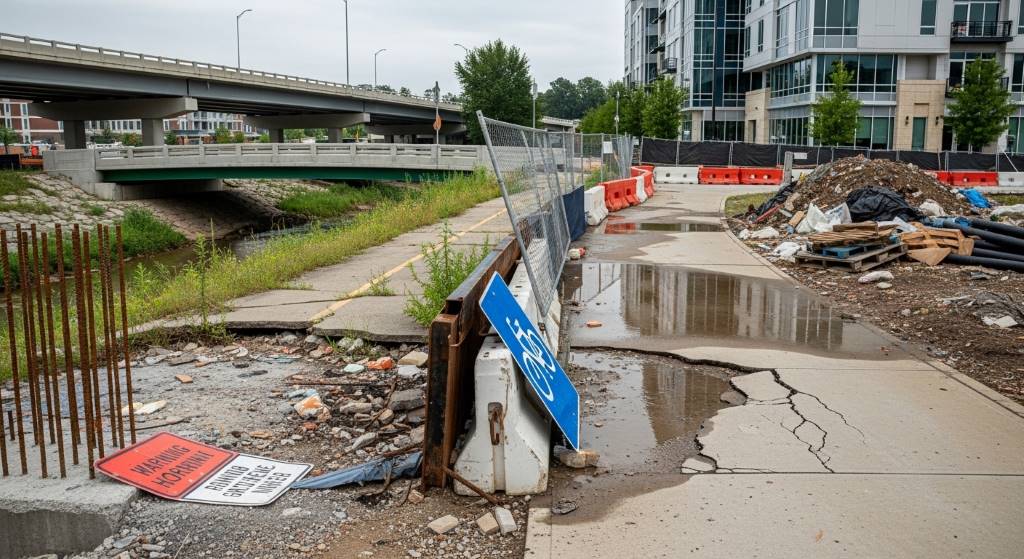
Atlanta continues to expand at a rapid pace as new highways, transit systems, commercial hubs, and mixed-use developments reshape the city skyline. According to regional transportation reports, metro Atlanta gains thousands of new residents every month, which places added pressure on roads, bridges, drainage systems, and utilities. As a result, contractors and public agencies must improve planning standards and project oversight. Many firms now recognize that engineering safety compliance training plays a major role in reducing costly mistakes and protecting workers. Better compliance strategies can help Atlanta avoid delays, budget overruns, legal disputes, and public safety risks.
The Growing Complexity of Atlanta Infrastructure Projects
Atlanta faces unique construction challenges because the city combines rapid growth with aging infrastructure systems. Many roads and utility lines date back decades, yet modern projects must connect with those outdated systems safely. In addition, Georgia’s unpredictable weather patterns create added stress on construction schedules and materials. Heavy rain, summer heat, and flash flooding often increase operational risks during large public works projects.
Project teams also manage multiple contractors, engineers, inspectors, and government agencies at the same time. Consequently, even a small communication failure can create compliance gaps across the entire project lifecycle. Some firms now study technology systems outside construction, including technology changing garage door security, because those industries demonstrate how smart monitoring tools improve accountability and safety tracking. Infrastructure leaders in Atlanta can apply similar digital oversight methods to reduce risk exposure.
Urban expansion around downtown Atlanta creates another layer of difficulty for project managers. Construction zones often operate near schools, hospitals, businesses, and crowded transportation corridors. Therefore, teams must follow strict environmental and public safety standards without disrupting surrounding communities. Strong compliance systems help contractors maintain order while protecting local residents.
Why Traditional Compliance Methods No Longer Work
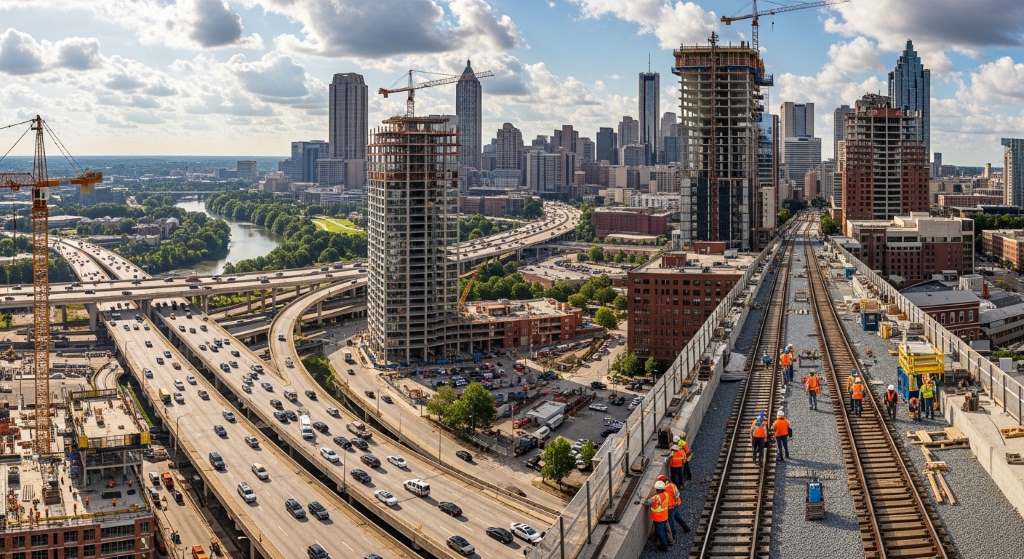
Many infrastructure companies still rely on outdated paper documentation and disconnected reporting systems. Although these methods worked in the past, modern projects now require real-time oversight and faster decision-making. Delayed reporting can allow safety hazards or regulatory violations to continue unnoticed for days. That delay often leads to expensive penalties and damaged public trust.
Manual inspections also increase the chance of human error during large-scale operations. For example, a missed drainage issue during heavy rain can weaken road foundations or flood nearby areas. Atlanta’s clay-heavy soil already creates stability concerns after storms, so even minor oversights can become major structural problems. Digital compliance systems help identify those issues earlier and reduce long-term repair costs.
Traditional compliance programs also focus too heavily on reactive measures instead of prevention. Many organizations investigate problems only after an accident or violation occurs. However, proactive monitoring creates better project outcomes and protects workers more effectively. Infrastructure teams that invest in predictive safety systems often experience fewer delays and lower insurance costs.
The Financial Cost of Poor Compliance
Weak compliance strategies create major financial consequences for both public agencies and private contractors. Delays caused by failed inspections often increase labor costs and extend equipment rentals. Furthermore, legal disputes can drain project budgets for years after construction ends. Taxpayers eventually absorb many of those expenses through increased municipal spending.
Insurance claims also rise significantly when organizations ignore proper safety procedures. Injuries, property damage, and environmental violations frequently trigger expensive lawsuits and regulatory fines. Atlanta infrastructure projects already operate under tight deadlines and rising material costs, so unexpected penalties can quickly destroy profitability. Better compliance systems reduce uncertainty and improve financial forecasting.
Public trust also suffers when infrastructure projects experience repeated safety failures or budget overruns. Residents expect reliable transportation systems, stable bridges, and safe public utilities. Consequently, poor compliance can damage a contractor’s reputation and limit future business opportunities. Firms that maintain strong compliance records often secure more government contracts over time.
How Climate Conditions Increase Compliance Challenges
Atlanta’s climate creates several risks that infrastructure teams cannot ignore during planning and construction. Summer temperatures regularly exceed safe working conditions for outdoor labor crews. Heat exhaustion and dehydration become serious concerns on long highway or utility projects. Therefore, companies must enforce strict worker protection standards throughout the warmer months.
Heavy rainfall also affects excavation work, concrete curing, and erosion control systems across metro Atlanta. Stormwater runoff can quickly damage unfinished structures if contractors fail to follow environmental regulations properly. Some project managers now examine precision-focused industries such as matte box or nd filters selection methods because those workflows emphasize controlled adjustments under changing environmental conditions. Similar adaptive thinking can improve infrastructure compliance during difficult weather events.
Hurricane remnants occasionally move into Georgia and create unexpected flooding across construction zones. As a result, drainage compliance becomes especially important for road and bridge developments. Poor water management can weaken foundations and create long-term structural hazards. Contractors must prepare emergency response procedures before severe weather arrives.
The Role of Technology in Modern Compliance Strategies
Modern technology helps infrastructure teams improve transparency, reporting accuracy, and safety oversight. Cloud-based compliance platforms allow managers to monitor inspections, permits, and incident reports in real time. Consequently, project leaders can respond to risks faster before small problems escalate. These systems also create digital records that simplify audits and regulatory reviews.
Drones now help inspectors examine bridges, elevated structures, and hazardous areas more safely. Instead of sending workers into dangerous locations, teams can capture detailed visual data remotely. Atlanta projects that use drone inspections often complete assessments faster while reducing workplace injuries. This approach improves both efficiency and compliance consistency.
Artificial intelligence tools also support predictive maintenance and risk analysis for large infrastructure developments. Software programs can identify patterns that humans might overlook during manual reviews. In addition, automated alerts help supervisors address compliance concerns immediately. Organizations that adopt these systems often improve project performance significantly.
Training and Workforce Accountability Matter
Strong compliance strategies depend heavily on workforce education and accountability. Even advanced technology cannot prevent mistakes if workers do not understand safety procedures clearly. Therefore, companies must provide regular compliance training that reflects current regulations and project conditions. Short refresher sessions often improve long-term retention better than annual seminars alone.
Atlanta infrastructure projects involve workers from many subcontractors and specialty trades. Each team may follow different operational habits or reporting standards. Consequently, leadership must establish unified compliance expectations across all participating organizations. Consistent communication reduces confusion and creates stronger collaboration throughout the project.
Managers should also encourage workers to report hazards without fear of retaliation. Employees often notice safety risks before supervisors do because they work directly inside active construction zones. Open reporting systems help organizations address problems faster and strengthen workplace trust. A culture of accountability improves compliance far more effectively than punishment alone.
Environmental Regulations Require Better Coordination
Environmental compliance has become increasingly important for infrastructure projects across Georgia. Construction activity can affect wetlands, rivers, wildlife habitats, and surrounding communities if teams fail to follow regulations properly. Atlanta’s rapid urban development places additional pressure on natural drainage systems and green spaces. Therefore, environmental oversight must remain a priority from start to finish.
Many projects now require detailed erosion control measures before excavation begins. Contractors must monitor sediment runoff carefully during heavy rain to avoid contamination issues. In addition, agencies often require ongoing environmental reporting throughout construction phases. Digital tracking systems simplify those reporting responsibilities significantly.
Noise pollution and air quality standards also affect projects near residential neighborhoods and commercial districts. Infrastructure teams must balance progress with community well-being during long construction schedules. Better coordination between contractors and local authorities helps reduce complaints and improve public cooperation. That relationship often determines whether projects stay on schedule.
Practical Compliance Strategies for Atlanta Infrastructure Teams
Infrastructure leaders can strengthen compliance outcomes by implementing several practical strategies immediately. First, organizations should centralize reporting systems so every contractor follows the same procedures. Unified documentation improves communication and reduces inconsistent recordkeeping. Clear standards also simplify audits and inspections.
Second, companies should perform regular risk assessments throughout every project phase instead of relying only on final inspections. Ongoing reviews help teams identify hazards before they become expensive problems. Atlanta’s changing weather conditions make continuous monitoring especially valuable during outdoor construction work. Preventive action usually costs far less than emergency repairs.
Third, organizations should invest in compliance leadership training for supervisors and project managers. Many safety failures occur because leadership teams overlook small warning signs under schedule pressure. Strong leadership creates better decision-making during high-risk situations. Well-trained managers also improve worker confidence and cooperation.
Finally, project teams should establish emergency response plans before major construction begins. Severe storms, utility failures, and traffic disruptions can occur unexpectedly across metro Atlanta. Prepared teams respond faster and reduce operational confusion during emergencies. Planning ahead protects both workers and surrounding communities.
The Future of Infrastructure Compliance in Atlanta
Atlanta will continue expanding as transportation, housing, and commercial development projects increase across the region. Future infrastructure systems must support larger populations while remaining safe, efficient, and environmentally responsible. Consequently, compliance strategies will become even more important over the next decade. Organizations that adapt early will gain significant competitive advantages.
Government agencies also continue updating regulations to address climate resilience and worker protection concerns. Infrastructure companies that resist modernization may struggle to meet future requirements efficiently. In contrast, firms that invest in technology, workforce training, and proactive compliance systems will improve long-term project performance. Adaptability now defines successful infrastructure management.
Emerging technologies will likely reshape how contractors monitor and enforce compliance standards. Smart sensors, predictive analytics, and digital modeling systems already improve infrastructure oversight in several major cities. Atlanta can benefit greatly from those innovations if organizations implement them strategically. Better compliance ultimately supports safer communities and stronger economic growth.
Conclusion
Atlanta infrastructure projects face growing pressure from rapid urban expansion, climate risks, complex regulations, and rising public expectations. Traditional compliance methods no longer provide enough protection for large-scale modern developments. Organizations must adopt proactive systems that combine technology, workforce accountability, environmental oversight, and continuous training. Some companies already study innovation trends from industries connected to entry level fdm printer development because those sectors prioritize precision, testing, and process control. Infrastructure leaders should act now to strengthen compliance strategies, reduce project risks, and build safer communities across Atlanta.
FAQs
Why do Atlanta infrastructure projects face higher compliance risks?
Rapid urban growth, severe weather, aging infrastructure, and complex regulations increase operational and safety challenges.
How does weather affect infrastructure compliance in Atlanta?
Heavy rain, flooding, and extreme summer heat create safety hazards and increase environmental compliance requirements.
What technology improves infrastructure compliance the most?
Cloud reporting systems, drones, predictive analytics, and smart monitoring tools improve oversight and reporting accuracy.
Why is workforce training important for compliance?
Proper training helps workers identify risks early and follow safety procedures consistently across all project phases.
How can contractors reduce compliance-related project delays?
Regular risk assessments, centralized reporting, and proactive inspections help prevent costly violations and disruptions.