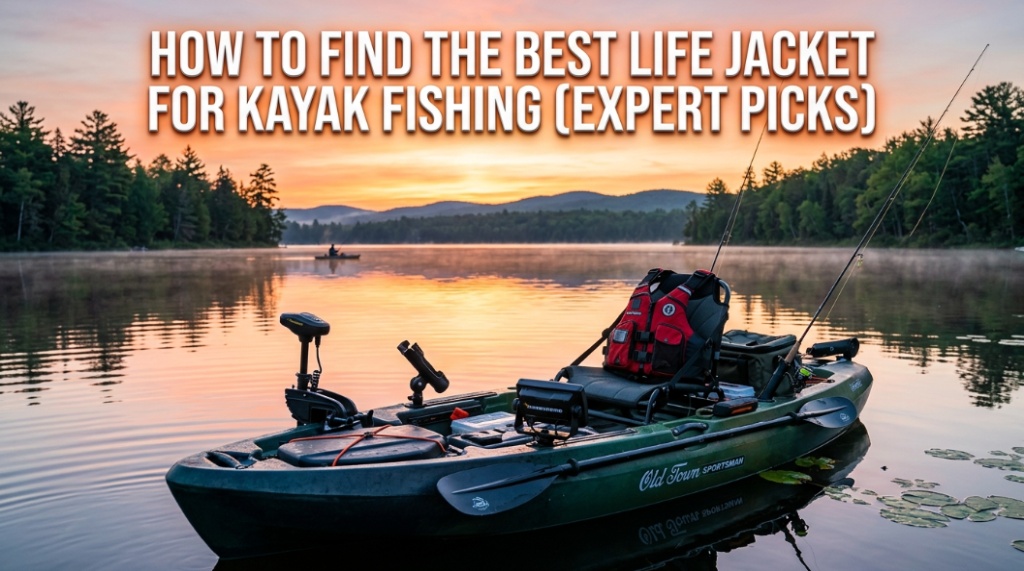
Choosing the best kayak angler vest is not just about comfort. It can be the difference between staying safe during a sudden capsize and struggling in dangerous water conditions. A good lightweight PFD should fit comfortably for long hours, allow unrestricted casting movement, and provide reliable flotation without overheating your body.
Every year, boating safety reports continue to show that drowning remains one of the leading causes of fatal kayak accidents, and many victims either were not wearing a personal flotation device or wore one incorrectly. Kayak anglers face additional challenges because they constantly twist, cast, paddle, and access gear while sitting for extended periods.
If your life jacket feels bulky, rides up, blocks casting movement, or becomes uncomfortable after an hour, you are more likely to stop wearing it. That is exactly why modern fishing-specific PFDs exist. They are designed for mobility, ventilation, storage, and all-day wear.
This guide explains how to choose the best kayak fishing life jacket based on fit, safety certification, comfort, storage, ventilation, and fishing performance. You will also discover expert picks, common mistakes to avoid, and the features that actually matter on the water.
What Is the Best Life Jacket for Kayak Fishing?
The best kayak fishing life jacket is a fishing-specific Type III or low-profile Type V PFD that offers comfort, mobility, ventilation, and secure flotation while paddling and casting.
A regular boating vest often feels too bulky for kayak fishing. Kayak anglers sit low, move constantly, and spend long hours on the water. That requires a specialized design with:
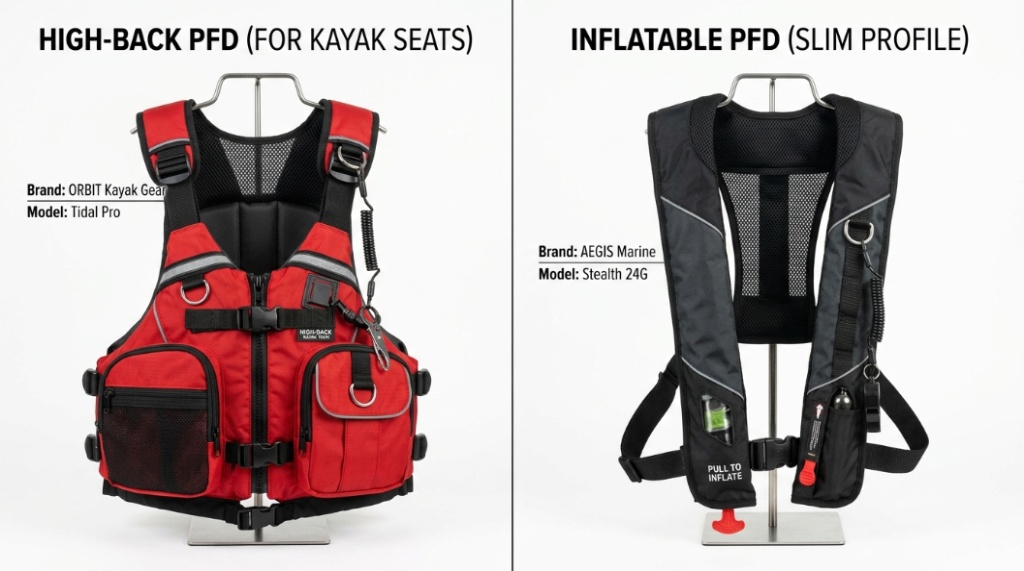
- High-back flotation for kayak seat compatibility
- Large arm openings for casting
- Breathable mesh panels
- Multiple gear pockets
- Lightweight foam construction
- US Coast Guard approval
The ideal lightweight PFD should feel almost unnoticeable after a few minutes of wear. If you constantly adjust your vest, it is probably the wrong fit or design.
Why Do Kayak Anglers Need a Specialized Fishing PFD?
Kayak anglers need specialized fishing PFDs because traditional life jackets restrict movement, interfere with kayak seats, and become uncomfortable during long fishing sessions.
Fishing from a kayak creates unique physical demands. You paddle, cast, reach behind your seat, handle tackle, and sometimes stand up in unstable conditions. A standard boating vest can make all those tasks harder.
Fishing-specific PFDs solve these problems with ergonomic designs.
What makes kayak fishing different from regular boating?
Kayak anglers sit lower to the water, rotate their torso frequently, and need quick access to tools and tackle.
Unlike recreational boaters, kayak fishermen often carry:
- Pliers
- Line cutters
- Tackle trays
- Fish grips
- Radios
- Safety whistles
- Phones or GPS devices
A proper kayak angler vest keeps these essentials accessible without limiting movement.
What Features Should You Look for in a Lightweight PFD?
The most important features in a lightweight kayak fishing PFD are fit, mobility, ventilation, flotation rating, and storage accessibility.
Many anglers focus too heavily on pocket count while ignoring comfort and fit. That is a mistake. A comfortable vest is one you will actually wear consistently.
How important is proper fit?
Proper fit is the single most important factor when choosing a life jacket because even a high-quality PFD becomes unsafe if it shifts or rides up in water.
A well-fitted PFD should:
- Fit snugly without restricting breathing
- Stay in place when lifted at the shoulders
- Allow full arm movement
- Sit comfortably above the kayak seat
- Remain secure during paddling motion
Always test the vest while sitting if possible. Many PFDs feel comfortable standing but become restrictive in a kayak seat.
Why is ventilation important in kayak fishing?
Ventilation matters because kayak anglers often fish for hours in direct sunlight and high humidity.
Modern fishing PFDs use:
- Mesh back panels
- Ventilated shoulder sections
- Thin foam segmentation
- Breathable liner fabrics
Good airflow reduces fatigue and overheating during summer fishing trips.
How much storage should a fishing PFD have?
A kayak fishing vest should have enough storage for essential gear without becoming bulky or overloaded.
Useful storage features include:
- Zippered tackle pockets
- Tool attachment loops
- Rod holder tabs
- D-ring accessories
- Radio or phone pockets
- Hydration compatibility
Too many overloaded pockets can affect balance and paddling efficiency.
What Type of Life Jacket Is Best for Kayak Fishing?
Most kayak anglers prefer Type III PFDs because they balance comfort, mobility, and flotation for active paddling and fishing.
However, some specialized low-profile Type V models are also excellent choices.
| PFD Type | Best Use | Advantages | Disadvantages |
|---|---|---|---|
| Type III | General kayak fishing | Comfortable, mobile, versatile | Less flotation than offshore vests |
| Type V | Advanced kayak angling | Specialized features, compact fit | May require activation knowledge |
| Inflatable PFD | Experienced anglers | Ultra lightweight | Requires maintenance and manual awareness |
Are inflatable PFDs good for kayak fishing?
Inflatable PFDs can work for experienced kayak anglers in calm water, but foam-based fishing vests are generally safer and more practical.
Inflatable models are extremely lightweight and comfortable, but they:
- Require maintenance
- Can puncture
- May fail if improperly serviced
- Provide less impact protection
- Are not ideal for rough conditions
Most kayak fishing experts recommend foam flotation vests for reliability.
What Are the Best Kayak Angler Vest Picks?
The best kayak angler vests combine comfort, safety certification, breathable design, and fishing-focused functionality.
1. NRS Chinook Fishing PFD
The NRS Chinook is widely considered one of the best all-around kayak fishing life jackets because of its excellent pocket layout and high-back design.
Key features include:
- High-back flotation design
- Multiple tackle pockets
- Mesh lower back ventilation
- Comfortable shoulder adjustment
- Knife lash tab
This vest works especially well for anglers using sit-on-top kayaks.
2. Stohlquist Fisherman PFD
The Stohlquist Fisherman offers exceptional comfort and premium mobility for serious kayak anglers.
Notable advantages include:
- Large arm openings
- Excellent shoulder mobility
- High buoyancy foam
- Strong ventilation system
- Durable fishing-oriented construction
3. Astral Ronny Fisher PFD
The Astral Ronny Fisher is a minimalist lightweight PFD designed for anglers who prioritize mobility and low-profile comfort.
It is popular among:
- Tournament anglers
- Warm-weather fishermen
- Stand-up kayak anglers
- Technical river kayak fishermen
4. Onyx Kayak Fishing Life Jacket
The Onyx fishing PFD is a strong budget-friendly option for casual anglers.
It provides:
- Basic fishing storage
- Adjustable fit system
- Breathable mesh panels
- Affordable pricing
For beginners entering kayak fishing, this can be a practical starting point.
How Do You Choose the Right Size Kayak Fishing Life Jacket?
You should choose a kayak fishing PFD based on chest measurement, torso length, and seated comfort rather than shirt size alone.
Many people buy oversized life jackets for comfort, but loose-fitting PFDs become dangerous during immersion.
What is the correct way to measure for a PFD?
Measure around the widest part of your chest while wearing lightweight clothing.
Then:
- Check manufacturer sizing charts
- Sit down during fit testing
- Adjust all straps evenly
- Raise arms and rotate torso
- Ensure no excessive ride-up occurs
Should kayak anglers size up for winter clothing?
Yes, cold-weather kayak anglers may need adjustable sizing to accommodate layered clothing.
If you fish year-round, look for highly adjustable straps rather than buying an oversized vest.
What Safety Certifications Matter for Fishing Life Jackets?
The most important certification is US Coast Guard approval, which confirms the PFD meets minimum flotation and safety standards.
Never buy uncertified fishing life jackets from unknown brands simply because they look stylish or inexpensive.
What flotation rating is recommended?
Most kayak fishing PFDs provide around 15.5 to 16.5 pounds of flotation, which is suitable for calm and moderate water conditions.
Higher buoyancy may be preferable for:
- Cold-water fishing
- Offshore kayak trips
- Heavy gear loads
- Strong river current
How Can You Stay Comfortable Wearing a PFD All Day?
The best way to stay comfortable in a fishing PFD is to prioritize lightweight construction, ventilation, proper adjustment, and ergonomic seating compatibility.
Discomfort usually comes from poor adjustment or the wrong vest style.
How tight should a kayak fishing PFD be?
A fishing PFD should feel snug but not restrictive. It should not slide upward when pulled from the shoulders.
Over-tightening causes:
- Shoulder fatigue
- Restricted breathing
- Neck irritation
- Reduced casting comfort
Properly balanced strap adjustment matters more than excessive tightness.
What clothing works best under a PFD?
Moisture-wicking fishing shirts and lightweight technical fabrics work best under fishing life jackets.
Avoid bulky cotton layers because they trap heat and moisture.
What Mistakes Should You Avoid When Buying a Kayak Fishing PFD?
The biggest mistakes are prioritizing price over fit, ignoring comfort, and buying general boating life jackets instead of fishing-specific models.
Common kayak fishing PFD mistakes
- Buying oversized life jackets
- Ignoring seated comfort
- Choosing bulky offshore vests
- Overloading pockets
- Skipping safety certification checks
- Using damaged or old foam
- Not testing mobility before purchase

How often should you replace a fishing PFD?
You should replace a fishing PFD if the foam becomes compressed, damaged, waterlogged, or fails inspection.
Signs of replacement include:
- Torn straps
- Broken buckles
- Flattened flotation foam
- Fabric deterioration
- Poor buoyancy performance
Is a Lightweight PFD Better Than a Heavy Fishing Vest?
For most kayak anglers, lightweight PFDs are better because they improve comfort, mobility, and long-term wear compliance.
Heavy life jackets may offer additional flotation and storage, but they often:
- Increase fatigue
- Trap heat
- Reduce paddling efficiency
- Discourage continuous wear
Comfort directly affects safety. Anglers are far more likely to wear lightweight vests consistently.
How Do Professional Kayak Anglers Choose Their PFDs?
Professional kayak anglers prioritize mobility, breathability, safety certification, and gear accessibility over excessive storage or appearance.
Tournament anglers typically choose minimalist designs that:
- Allow unrestricted casting
- Stay comfortable for 8+ hours
- Support standing balance
- Keep tools accessible
- Work with modern kayak seats
Many professionals also attach emergency whistles, line cutters, and communication devices directly to their vest.
Conclusion
The best kayak fishing life jacket is the one you will wear comfortably every time you launch your kayak. A properly fitted kayak angler vest improves safety, reduces fatigue, and allows unrestricted movement while fishing.
Focus on fit first. Then prioritize ventilation, mobility, flotation certification, and practical storage. Lightweight fishing-specific PFDs consistently outperform bulky recreational boating life jackets because they are built for real kayak fishing movement and long hours on the water.
If you regularly fish in hot weather, look for breathable mesh panels and segmented foam. If you fish offshore or in moving water, prioritize higher flotation and secure adjustment systems.
Do not treat your PFD as optional equipment. The safest anglers are the ones who wear comfortable, properly fitted life jackets every trip without exception.
Before your next kayak fishing adventure, inspect your current vest carefully. If it feels uncomfortable, restrictive, or outdated, upgrading to a modern lightweight PFD could dramatically improve both your safety and your overall fishing experience.
Frequently Asked Questions
What is the best type of life jacket for kayak fishing?
The best type is usually a Type III fishing-specific PFD because it provides excellent mobility, comfort, and flotation for active paddling and casting.
Are inflatable PFDs safe for kayak anglers?
Inflatable PFDs can be safe for experienced anglers in calm conditions, but foam-based fishing vests are generally more reliable and require less maintenance.
How tight should a kayak angler vest fit?
A kayak angler vest should fit snugly without restricting breathing or arm movement. It should not ride up when pulled from the shoulders.
Can you wear a regular boating life jacket while kayak fishing?
You can, but fishing-specific kayak PFDs are far more comfortable and practical because they are designed for seated paddling and casting movement.
What features matter most in a lightweight PFD?
The most important features are proper fit, ventilation, large arm openings, high-back compatibility, flotation certification, and accessible gear storage.
How long does a fishing life jacket last?
A fishing life jacket can last several years if properly maintained, but it should be replaced if the foam becomes compressed, damaged, or waterlogged.
Why do kayak fishing PFDs have high backs?
High-back designs prevent the flotation foam from interfering with modern kayak seat backs, improving comfort during long fishing trips.
📌 Related Reads
Check out: How to Pick a Fishing Lure Kit for Beginners: Complete 2026 Guide
Discover: Pros and Cons of Free Movie Websites Among Users in Phoenix, AZ