Miami homeowners often face unique plumbing challenges due to the city’s humid climate, coastal air, and aging infrastructure. Studies show that over 30% of Florida homes experience some form of water system irregularity each year, especially in older neighborhoods. Among these concerns, the air bubbles in water pipes problem can signal deeper issues that require attention. If ignored, such irregularities may lead to costly repairs or water quality concerns. Therefore, understanding these unusual water issues helps homeowners protect both their property and health. This guide explains common problems, their causes, and practical solutions tailored to Miami households.
Common Unusual Water Problems in Miami Homes
Miami’s environment creates conditions that differ from most inland cities, which means plumbing systems behave differently. Many residents notice strange noises, inconsistent pressure, or discoloration in their water. These issues often appear minor at first, but they usually indicate underlying problems. Because salt air accelerates corrosion, pipes degrade faster than expected. In addition, high humidity levels can affect both indoor plumbing and external water lines. As a result, homeowners must stay alert to early warning signs.
Air in Water Lines
Air trapped in pipes often causes sputtering faucets and uneven water flow throughout the home. This issue typically arises when there is a leak in the plumbing system or after maintenance work. However, in Miami, fluctuating water tables and storm activity can also introduce air into the system. When air enters pipes, it disrupts consistent pressure and creates noise. Consequently, this can lead to long-term pipe damage if left unresolved. Homeowners should inspect valves and connections to identify the source quickly.
Discolored or Rusty Water
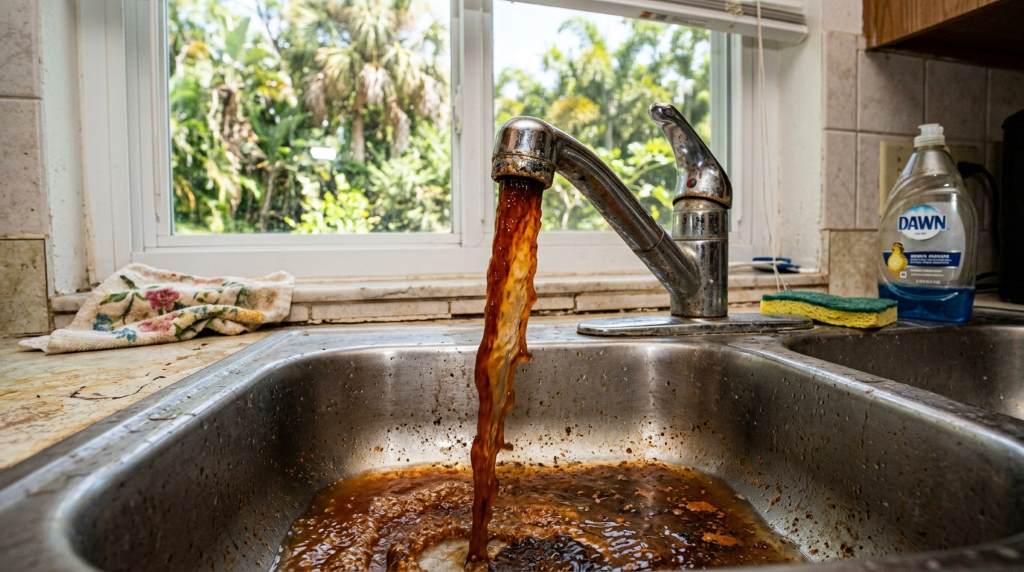
Many Miami residents report brown or yellow water, especially in older homes with aging pipes. This discoloration often results from rust buildup or sediment inside the pipes. Coastal conditions speed up oxidation, making metal pipes more vulnerable. Furthermore, sudden changes in water pressure can disturb sediment and release it into the water supply. Although occasional discoloration may not be harmful, frequent occurrences indicate a serious issue. Replacing old pipes or installing filtration systems can resolve this problem effectively.
Low or Fluctuating Water Pressure
Low water pressure is another common complaint among Miami homeowners. This issue can stem from mineral buildup, pipe leaks, or municipal supply inconsistencies. In coastal areas, salt deposits may accumulate inside pipes and restrict flow. Additionally, seasonal tourism increases water demand, which can affect pressure levels. When pressure fluctuates, daily tasks like showering or washing dishes become inconvenient. Therefore, regular system checks help maintain stable performance.
Climate-Related Causes of Water Issues
Miami’s tropical climate plays a significant role in plumbing problems across households. Heat, humidity, and heavy rainfall all contribute to unusual water system behavior. Unlike colder regions, Miami does not face freezing pipes, but it does deal with corrosion and moisture-related damage. These environmental factors accelerate wear and tear on plumbing components. As a result, homeowners must adapt maintenance practices to local conditions. Understanding these causes helps prevent recurring issues.
High Humidity Impact
High humidity levels affect both visible and hidden plumbing systems in Miami homes. Moist air encourages condensation on pipes, which can lead to mold growth and structural damage. Over time, this moisture weakens pipe materials and joints. In addition, damp conditions create an ideal environment for bacteria to thrive. Therefore, homeowners should ensure proper ventilation in areas like bathrooms and basements. Using dehumidifiers can also reduce moisture-related damage.
Salt Air Corrosion
Living near the ocean exposes Miami homes to salty air, which accelerates metal corrosion. Pipes, fixtures, and water heaters all suffer from this constant exposure. As corrosion builds up, it restricts water flow and weakens structural integrity. Eventually, this leads to leaks or pipe bursts. Homeowners often overlook this factor until significant damage occurs. Using corrosion-resistant materials like PVC or PEX can help mitigate these effects.
Heavy Rainfall and Flooding
Miami experiences frequent heavy rainfall, especially during hurricane season. Excess water can infiltrate underground pipes and disrupt the plumbing system. Flooding may also introduce contaminants into the water supply. Moreover, sudden pressure changes during storms can damage pipes and fixtures. Therefore, homeowners should inspect their systems after major weather events. Installing backflow preventers adds an extra layer of protection.
Structural and Infrastructure Factors
Apart from climate, structural elements and infrastructure also influence water issues in Miami households. Many homes in the area are decades old, which means outdated plumbing systems are common. Aging pipes often fail to meet modern standards and struggle under current demand. In addition, rapid urban development puts pressure on municipal water systems. These factors combine to create unique challenges for homeowners. Addressing them requires both awareness and proactive maintenance.
Aging Plumbing Systems
Older Miami homes often rely on galvanized steel or cast iron pipes. Over time, these materials corrode and accumulate mineral deposits. This reduces water flow and increases the risk of leaks. Furthermore, outdated systems may not handle modern appliances efficiently. Homeowners should consider upgrading to newer materials for improved reliability. Regular inspections help identify weak points before they fail.
Poor Installation Practices
Improper installation can cause long-term plumbing issues that worsen over time. In some cases, contractors may use low-quality materials or incorrect techniques. This leads to leaks, pressure problems, and inefficient water flow. Additionally, poorly aligned pipes can trap air and debris. Homeowners should always hire licensed professionals for installation work. Proper setup ensures long-term system stability.
Municipal Water Supply Variations
Miami’s growing population places increasing demand on public water systems. As a result, supply fluctuations can occur during peak usage times. These variations may cause pressure drops or introduce air into pipes. Additionally, maintenance work on city lines can temporarily disrupt water quality. Homeowners should stay informed about local water updates. Installing pressure regulators can help maintain consistency.
Signs You Should Not Ignore
Recognizing early warning signs helps prevent minor issues from becoming major problems. Many homeowners dismiss small irregularities, but these often indicate deeper concerns. Paying attention to these signs saves both time and money in the long run. Regular monitoring ensures that your plumbing system remains efficient. Therefore, it is important to act quickly when unusual symptoms appear.
- Unusual noises like banging or whistling pipes
- Sudden drops in water pressure
- Persistent air bubbles in water flow
- Discolored or foul-smelling water
- Unexpected increases in water bills
Each of these signs points to potential issues that require immediate attention. Ignoring them can lead to structural damage or health risks. Early intervention reduces repair costs and extends system lifespan.
Practical Solutions for Miami Homeowners
Addressing water issues requires a combination of preventive measures and timely repairs. Miami homeowners can take several steps to maintain a healthy plumbing system. These solutions focus on both short-term fixes and long-term improvements. By following these practices, residents can avoid costly emergencies. Consistent maintenance ensures reliable water flow throughout the home.
Regular Maintenance Checks
Routine inspections help identify potential problems before they escalate. Homeowners should check for leaks, corrosion, and pressure inconsistencies. Scheduling professional inspections once a year provides added security. Additionally, cleaning fixtures and removing sediment buildup improves performance. Preventive care reduces the likelihood of unexpected failures. This approach saves money over time.
Installing Water Filtration Systems
Water filtration systems improve both quality and safety in Miami homes. These systems remove sediment, rust, and contaminants from the water supply. As a result, they enhance taste and reduce health risks. Filtration also protects appliances from damage caused by mineral buildup. Homeowners can choose from various options based on their needs. Investing in filtration provides long-term benefits.
Upgrading to Modern Materials
Replacing old pipes with modern materials improves efficiency and durability. PVC and PEX pipes resist corrosion and handle pressure changes better than metal alternatives. These materials also require less maintenance over time. Upgrading plumbing systems increases property value and reliability. Homeowners should consider this investment during renovations. Modern systems offer better performance in Miami’s climate.
Preventive Tips for Long-Term Protection
Preventing water issues is always more cost-effective than repairing damage. Miami homeowners can adopt simple habits to protect their plumbing systems. These practices focus on reducing environmental impact and maintaining system integrity. Consistency is key to long-term success. By following these tips, residents can avoid recurring problems.
- Monitor water pressure regularly
- Flush pipes periodically to remove sediment
- Use corrosion-resistant fixtures
- Keep drainage systems clear
- Inspect plumbing after storms
Each of these steps contributes to a more stable and efficient system. Small actions can make a significant difference over time. Preventive care ensures peace of mind for homeowners.
Conclusion
Unusual water issues in Miami households stem from a combination of climate, infrastructure, and maintenance factors. While these problems may seem minor at first, they often indicate deeper concerns that require attention. By understanding the causes and recognizing early signs, homeowners can take proactive steps to protect their plumbing systems. Regular maintenance, modern upgrades, and preventive measures all play a crucial role in ensuring long-term reliability. Do not wait for small issues to become expensive repairs. Take action today by inspecting your system or consulting a professional to keep your home safe and efficient.
FAQs
What causes air bubbles in water pipes in Miami homes?
Air bubbles usually result from leaks, pressure changes, or disruptions in the municipal water supply.
Is discolored water safe to use?
Occasional discoloration may be harmless, but frequent changes indicate pipe corrosion or contamination.
How often should I inspect my plumbing system?
You should perform basic checks monthly and schedule professional inspections at least once a year.
Can Miami’s climate damage plumbing systems?
Yes, humidity, salt air, and heavy rainfall all contribute to corrosion and structural damage.
What is the best pipe material for Miami homes?
PEX and PVC are ideal because they resist corrosion and handle pressure fluctuations effectively.