

Seattle homeowners love their spas, especially with the region’s cool, damp climate that makes warm soaking a year-round comfort. However, maintaining clean and balanced spa water in this environment can be challenging. In fact, studies show that nearly 60% of hot tub owners struggle with water chemistry issues within the first year of use. Many also search for solutions like why cyanuric acid is low in hot tub because the imbalance happens faster in rainy climates. Understanding the most common spa water problems helps Seattle residents fix issues quickly and avoid costly repairs. This guide breaks down the key problems and practical solutions tailored to local conditions.
Why Seattle’s Climate Affects Spa Water Quality
Seattle’s weather directly affects spa maintenance challenges. Frequent rainfall introduces contaminants like dirt, pollen, and organic debris into spa water. As a result, water chemistry becomes unstable more quickly than in dry climates. Moist air also encourages faster bacterial growth, especially if sanitation levels drop even slightly. Additionally, cooler temperatures lead people to use spas more often, which increases body oils and residues in the water. Therefore, spa owners in Seattle must monitor water conditions more frequently than average. Consistent care prevents small issues from becoming major problems.
Cloudy Water Problems and Fast Fixes
Cloudy water is one of the most common issues Seattle residents face. It often appears suddenly and makes the spa look unclean even when it is safe. This problem usually stems from poor filtration, unbalanced chemicals, or buildup of organic matter. Rainwater can worsen the issue by diluting sanitizer levels. As a result, particles remain suspended instead of being filtered out properly.
Common Causes of Cloudy Water
Several factors contribute to cloudy spa water in Seattle homes. Identifying the exact cause helps resolve the issue quickly.
- Low sanitizer levels reduce the spa’s ability to kill bacteria
- Dirty or clogged filters prevent proper circulation
- High calcium or mineral content leads to scaling
- Excess oils from skin, lotions, or cosmetics accumulate
- Rainwater dilution disrupts chemical balance
Quick Solutions for Clear Water
Fixing cloudy water does not require complex steps if handled early. First, test the water to check sanitizer and pH levels. Then, adjust chlorine or bromine to recommended levels immediately. Cleaning or replacing filters improves circulation and removes trapped debris. Additionally, using a clarifier helps bind small particles so filters can capture them. Regular maintenance ensures the problem does not return quickly.
Strong Chemical Odor and Skin Irritation
Many Seattle spa owners notice a strong chemical smell and assume there is too much chlorine. However, this odor usually indicates the opposite problem. Chloramines form when chlorine binds with contaminants like sweat and oils. As a result, the sanitizer becomes less effective and produces irritation. This issue often appears after heavy spa usage or during rainy periods.
Why Odors Develop Quickly
Seattle’s environment accelerates chemical imbalance. Rainwater introduces nitrogen-based contaminants into the spa. These contaminants react with chlorine and create unpleasant smells. Additionally, frequent use during colder months increases organic buildup. Without proper shocking, the water cannot break down these compounds effectively.
How to Eliminate Odors Fast
Start by shocking the spa with a high dose of sanitizer to break down chloramines. Next, test and rebalance pH levels to ensure optimal sanitizer performance. Keeping the cover clean also prevents external contaminants from entering the water. Moreover, regular weekly shocking prevents odor buildup from recurring. Clean water should have little to no chemical smell.
Low Sanitizer Levels and Rapid Contamination
Low sanitizer levels are a recurring issue in Seattle spas. Rainwater dilution reduces chlorine or bromine concentration quickly. As a result, bacteria and algae can grow faster than expected. This problem becomes more noticeable during extended rainy periods. Spa users may also unknowingly introduce contaminants that overwhelm the sanitizer.
Signs of Low Sanitizer
Recognizing early signs helps prevent serious water issues.
- Water turns dull or slightly cloudy
- Surfaces feel slippery or slimy
- Mild odors begin to develop
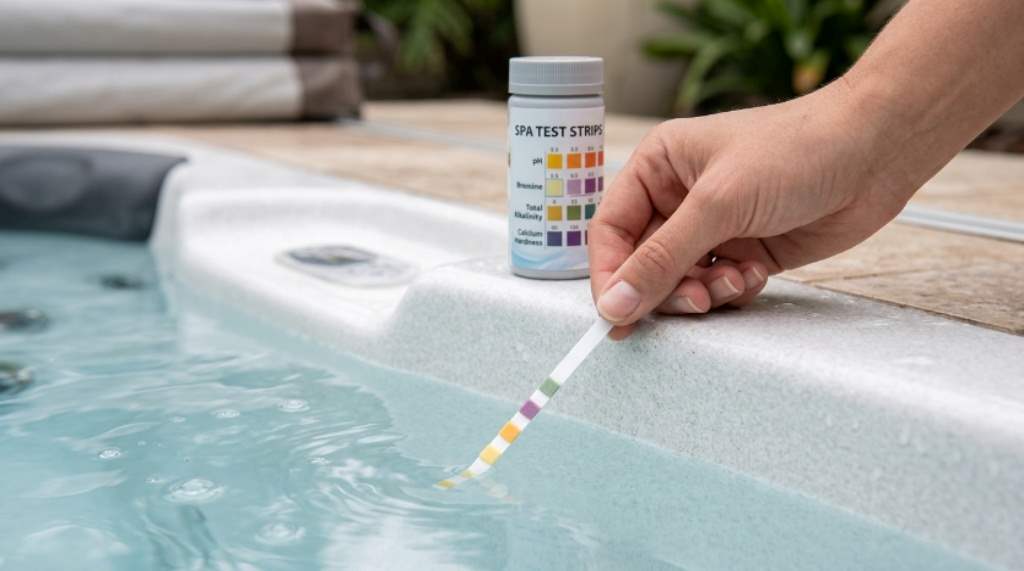
- Test strips show low chlorine or bromine levels
Effective Ways to Maintain Sanitizer Levels
Testing water at least three times a week ensures sanitizer remains stable. Adding sanitizer after each use helps maintain proper levels. Additionally, using a floating dispenser provides consistent chemical release. Covering the spa when not in use prevents rain dilution. These simple habits keep water safe and balanced.
pH Imbalance and Its Effects
pH imbalance is another frequent issue Seattle residents face. Rainwater tends to lower pH levels, making the water more acidic. As a result, spa components can corrode faster. Low pH also causes skin irritation and reduces sanitizer effectiveness. On the other hand, high pH leads to scaling and cloudy water.
Causes of pH Fluctuation
Seattle’s climate contributes significantly to unstable pH levels. Rainwater entering the spa lowers alkalinity and pH simultaneously. Frequent spa use also introduces sweat and oils that affect pH balance. Additionally, inconsistent chemical dosing can cause sudden shifts.
How to Stabilize pH Quickly
Testing pH regularly is the most effective way to maintain balance. Use pH increasers or decreasers based on test results. Maintaining total alkalinity between recommended levels helps stabilize pH over time. Furthermore, covering the spa during rain reduces fluctuations. Consistency is key to preventing recurring issues.
Calcium Hardness Problems in Seattle Water
Seattle’s water supply typically has lower calcium levels compared to other regions. While this reduces scaling, it can create other problems. Low calcium hardness makes water more aggressive and corrosive. As a result, spa surfaces and equipment may degrade faster. This issue often goes unnoticed until damage occurs.
Signs of Low Calcium Hardness
Identifying this issue early prevents costly repairs.
- Etching or rough surfaces inside the spa
- Corrosion of metal components
- Foam formation in water
- Difficulty maintaining chemical balance
Fixing Calcium Levels
Adding calcium hardness increaser helps bring levels into the ideal range. Testing water monthly ensures levels remain stable. Maintaining balanced calcium prevents both corrosion and scaling. Proper levels also improve overall water clarity and comfort.
Foam Formation and Residue Build-Up
Foamy water is a common frustration for spa owners in Seattle. This issue usually appears after heavy use or when contaminants accumulate. Rainwater and organic debris contribute to foam formation. Additionally, detergents from swimsuits can introduce unwanted residues.
Why Foam Appears Quickly
Seattle’s frequent rainfall introduces organic matter into spa water. This matter reacts with chemicals and creates foam. High usage during colder months adds oils and lotions to the mix. Without regular cleaning, these substances build up rapidly.
Quick Ways to Remove Foam
Using a defoamer provides immediate relief from foam. However, addressing the root cause prevents recurrence. Cleaning filters and shocking the spa removes contaminants effectively. Rinsing swimsuits thoroughly before use also reduces detergent buildup. Consistent maintenance keeps water smooth and clear.
Algae Growth in Covered Spas
Although less common, algae can still develop in Seattle spas. This problem usually occurs when sanitizer levels drop significantly. Warm water combined with organic debris creates an ideal environment for algae growth. Even covered spas are not immune if maintenance lapses.
Early Warning Signs
Recognizing algae early makes removal easier.
- Green or yellow tint in water
- Slippery surfaces
- Musty or earthy smell
- Rapid sanitizer depletion
Eliminating Algae Quickly
Shocking the spa with a strong sanitizer dose kills algae effectively. Scrubbing surfaces removes any remaining buildup. Cleaning filters prevents spores from re-entering the water. Maintaining proper sanitizer levels ensures algae does not return.
Filter Issues and Poor Circulation
Filters play a crucial role in maintaining clean spa water. However, Seattle’s environment causes filters to clog faster due to debris and moisture. Poor circulation leads to uneven chemical distribution and water quality problems. As a result, even balanced water can appear dirty.
Common Filter Problems
- Clogged filters reduce water flow
- Worn-out filters fail to trap particles
- Infrequent cleaning leads to buildup
- Improper installation affects performance
Maintaining Efficient Filtration
Cleaning filters every two weeks keeps them functioning properly. Replacing filters every 12–18 months ensures optimal performance. Running the spa pump regularly improves circulation. Proper filtration significantly reduces most water issues.
Seasonal Maintenance Tips for Seattle Residents
Seattle’s seasons require different spa maintenance strategies. During rainy months, covering the spa becomes essential. Increased testing frequency helps manage dilution from rainwater. In colder months, higher usage demands more frequent sanitation. Spring and summer bring pollen and debris that require additional cleaning.
Practical Seasonal Checklist
- Test water more frequently during rainy periods
- Clean filters regularly to handle debris
- Shock the spa weekly during heavy use
- Keep the cover clean and secure
- Adjust chemicals based on seasonal changes
Adapting maintenance routines to the season ensures consistent water quality.
Related:
Packing List for Luxury Wellness Retreat Spa Vacation
How to Incorporate Health and Wellness into Your Spa Day
Preventive Maintenance Habits That Save Time
Preventive care reduces the need for major fixes. Seattle residents who follow simple routines experience fewer problems. Regular testing and cleaning prevent most issues before they start. Consistency is more effective than reactive maintenance.
Daily and Weekly Habits
- Check water clarity daily
- Test sanitizer and pH levels multiple times per week
- Rinse filters and remove debris regularly
- Add sanitizer after each use
- Shock the spa weekly
These habits keep spa water balanced and safe with minimal effort.
Conclusion
Seattle’s climate creates unique challenges for spa owners, but quick fixes and consistent maintenance make a big difference. By understanding common issues like cloudy water, pH imbalance, and low sanitizer levels, residents can address problems before they escalate. Simple steps such as regular testing, cleaning filters, and protecting the spa from rain ensure long-term performance. If you want clean, safe, and relaxing spa water year-round, start applying these practical solutions today. Take control of your spa maintenance routine now and enjoy a stress-free soaking experience.
FAQs
What causes spa water to turn cloudy quickly in Seattle?
Cloudy water often results from rainwater dilution, low sanitizer levels, and clogged filters. Regular testing and cleaning help prevent this issue.
How often should I test my spa water in Seattle?
You should test spa water at least three times a week due to frequent rain and environmental factors affecting water balance.
Why does my spa smell strong even with chlorine?
A strong smell usually indicates chloramines, which form when chlorine reacts with contaminants. Shocking the spa removes these compounds.
Can rainwater damage my spa water balance?
Yes, rainwater dilutes chemicals and introduces contaminants. Covering the spa helps maintain stable water chemistry.
How do I prevent foam in my hot tub?
Prevent foam by cleaning filters, rinsing swimsuits before use, and maintaining proper sanitizer levels.
Fix common Seattle spa water problems fast with simple, practical tips. Learn how to keep your hot tub clean, clear, and perfectly balanced year-round.