
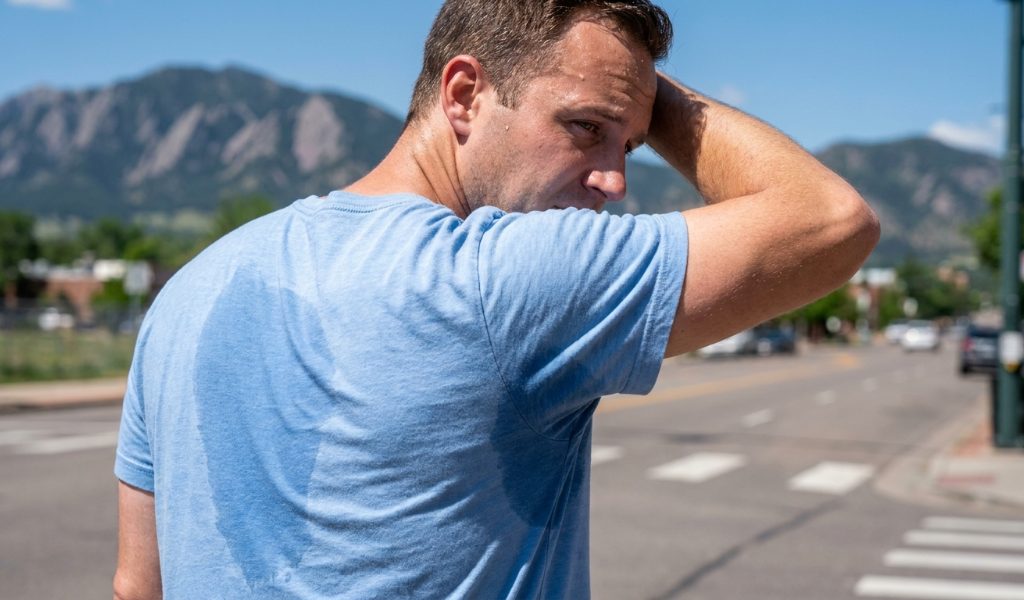
Cotton shirts cause excessive sweating in Denver due to intense high altitude sun and low humidity. Cotton fibers absorb body sweat without releasing moisture into dry mountain air. Replacing pure cotton with breathable merino wool or technical moisture-wicking synthetics keeps skin dry.
Denver sits exactly one mile above sea level under intense solar exposure. High-altitude climate data shows that atmospheric radiation increases by four percent for every thousand feet of elevation. Additionally, relative humidity levels in Denver regularly drop below twenty percent during warm afternoons.
Urban professionals and outdoor adventurers frequently misjudge the powerful interplay between mountain sun and dry air. When styling versatile high-altitude outfits, reviewing proven unpredictable weather fashion tips helps travelers pick responsive technical textiles. Smart fabric selection guarantees all-day thermal comfort across variable Front Range climates.
Key Takeaways
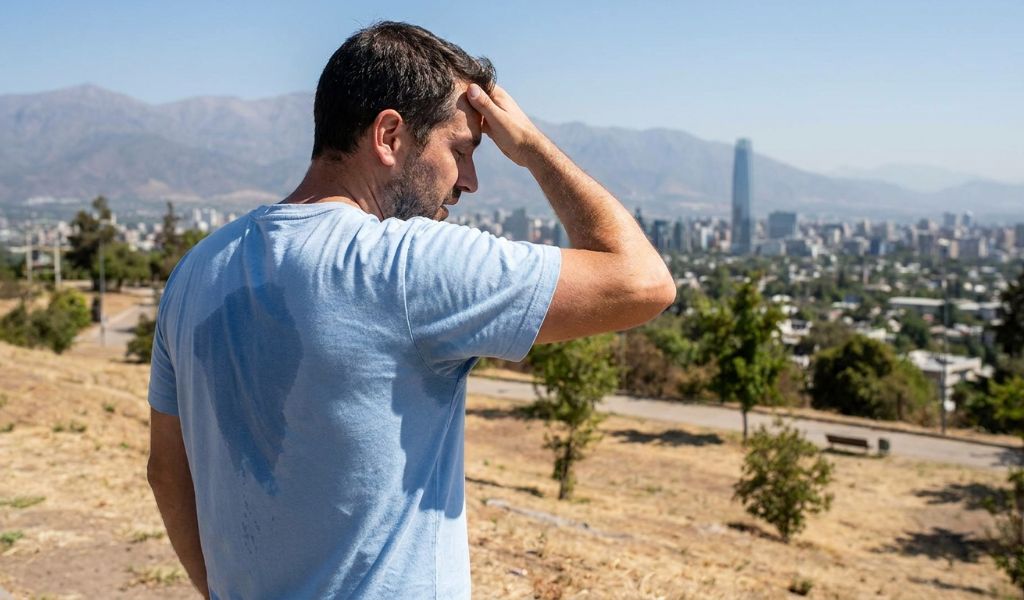
- Altitude Solar Intensity: Thin mountain atmospheres permit intense solar radiation that stimulates rapid sweating.
- Cotton Fiber Retention: Natural cotton cellulose absorbs twenty-seven times its dry weight in water.
- Evaporative Cooling Breakdown: Trapped wet cotton fibers collapse against skin, halting natural body cooling.
- Technical Fabric Alternatives: Merino wool and engineered polyester channel sweat vapors outward efficiently.
- Layering System Dynamics: Breathable base layers regulate core body temperatures during dramatic temperature swings.
The Science of High Altitude Solar Heat and Sweating
Denver enjoys over three hundred days of brilliant sunshine each year. Because the atmosphere is thinner at high elevations, fewer air molecules filter solar radiation. Consequently, direct sunlight feels significantly hotter on your chest and shoulders than sea-level sunlight.
Your body initiates perspiration to cool surface skin temperatures through natural evaporation. Even when ambient air registers a mild seventy degrees, solar absorption warms dark shirt fabrics quickly. Therefore, your skin perspires actively during brief outdoor walks along the 16th Street Mall. Understanding solar altitude dynamics explains why you sweat despite cool mountain breezes.
Furthermore, indoor office heating amplifies this thermal discomfort during winter and spring months. Buildings pump dry, heated air through interior ventilation systems continuously. Moving from cold outdoor shadows into warm sunny offices triggers acute temperature spikes. This constant thermal fluctuation challenges conventional clothing fabrics severely.
Why Cotton Traps Moisture at One Mile High
Cotton consists of natural hydrophilic plant cellulose fibers. These hollow microscopic tubes attract liquid water molecules through powerful capillary action. While cotton feels pleasantly soft when completely dry, it performs poorly under active perspiration.
Once cotton fibers absorb sweat, they expand and lock moisture inside their cellular walls. In Denver’s arid climate, moisture should evaporate rapidly to cool your body naturally. However, saturated cotton clings flat against skin pores, creating a soggy thermal barrier. Planning outdoor couples activities this autumn requires breathable clothing that prevents chilly post-sweat shivers.
Worse, wet cotton loses ninety percent of its insulating capabilities almost instantly. As afternoon mountain winds blow across damp shirts, rapid evaporative chilling occurs. Commuters suddenly feel clammy and freezing despite warm sunshine overhead. This rapid swing from sweating to shivering is known as the cotton chill effect.
Optimizing Wardrobe Storage for Active Mountain Lifestyles
Managing high-altitude clothing requires organized wardrobe systems and curated apparel choices. High-performance textiles demand dedicated closet airflow and proper shelf storage. Booking a fitted wardrobe design visit helps homeowners build ventilated closets for technical athletic and office apparel.
Organizing custom wardrobe drawers by fabric type simplifies morning outfit decisions. Separate lightweight technical knits from heavy winter fleeces and wool overcoats. Proper closet storage preserves delicate elastic fibers and antimicrobial treatments in performance apparel. Investing in organized storage protects your active wardrobe investments over multiple seasons.
Hang dress shirts on broad wooden hangers to promote airflow between hanging garments. Never pack damp synthetic shirts tightly into unventilated dresser drawers. Maintaining continuous air circulation keeps performance fabrics fresh and odor-free between wearing cycles.
Monitoring Body Temperature and Biometric Response
Active commuters often fail to recognize subtle physical dehydration and body temperature changes. Wearing a modern fitness tracker ring provides continuous heart rate and skin temperature tracking throughout busy workdays. Tracking biometric responses reveals exactly when elevated body temperature triggers excessive perspiration.
Wearable health sensors track sudden temperature fluctuations during high-altitude commutes. When your heart rate rises during uphill walks, biometric sensors log physical exertion levels. Recognizing these cardiovascular patterns helps you pace your walking speed and adjust clothing layers before sweating starts.
Biometric data also highlights the vital importance of consistent daily hydration. High-altitude mountain air robs moisture from your lungs with every breath you exhale. Staying hydrated regulates blood volume and stabilizes autonomic temperature control systems. Consistent water consumption prevents the overheating that soaks cotton shirts.
Superior High Altitude Fabric Alternatives
Replacing pure cotton with high-performance textiles transforms daily comfort in Denver. Merino wool represents the gold standard for high-altitude base layers and business sweaters. Ultra-fine merino fibers absorb moisture vapor before it condenses into liquid sweat.
Furthermore, technical synthetic blends engineered from polyester and nylon deliver outstanding sweat management. Microscopic channeled fibers draw moisture across large surface areas for instantaneous atmospheric evaporation. Modern performance dress shirts look identical to traditional cotton poplin while drying four times faster.
| Fabric Material | Moisture Absorption Speed | Drying Rate at Elevation |
|---|---|---|
| Pure Cotton | Extremely high, holds liquid in fibers | Very slow, causes persistent dampness |
| Merino Wool | Absorbs vapor, resists liquid condensation | Rapid, retains warmth even when moist |
| Performance Polyester | Wicks sweat across broad surface channels | Fastest, dries in minutes in dry air |
| Linen Blends | High breathability, loose open weave | Moderate, provides excellent summer airflow |
Wardrobe Mistakes to Avoid in High Elevation Cities
Avoid wearing heavy cotton undershirts beneath tailored dress shirts in Denver. An extra cotton undershirt doubles trapped moisture volume against your chest. Instead, select ultra-thin moisture-wicking synthetic undershirts with flatlock seams.
Do not rely on thick, impermeable outerwear without underarm ventilation zippers. Heavy jackets trap body heat and create a steamy greenhouse effect around your torso. Look for breathable technical shells featuring pit zips to vent excess warmth while walking.
Never ignore the color of your daily clothing when walking outdoors. Dark navy and black fabrics absorb up to ninety percent of high-altitude solar energy. Choose lighter hues like gray, sky blue, or stone to reflect intense mountain sunlight.
High-Altitude Daily Wardrobe Checklist
Selecting appropriate high-altitude clothing requires deliberate morning planning. Evaluating weather forecasts and expected sun exposure prevents uncomfortable sweating episodes. Follow this reliable clothing selection checklist before stepping outdoors in Denver:
- Choose lightweight merino wool or performance polyester base layer shirts.
- Select light-colored outer garments to reflect high-altitude solar rays.
- Pack a breathable, wind-resistant shell jacket equipped with ventilation zips.
- Carry a reusable stainless steel water bottle to sustain proper hydration.
- Wear polarized sunglasses and broad-spectrum sunscreen for high-altitude protection.
- Inspect fabric composition labels to ensure zero heavy cotton blends.
Conclusion
Cotton shirts make you sweat in Denver because high altitude solar radiation overwhelms natural cellulose fibers. Saturated cotton traps perspiration against your skin, destroying natural cooling and causing sudden post-walk chills. Switching to breathable merino wool and technical synthetic blends keeps you dry, cool, and comfortable.
Upgrade your high-altitude wardrobe with advanced moisture-wicking fabrics today. Replace heavy cotton shirts with modern performance textiles and experience lasting comfort under the mountain sun.
Frequently Asked Questions
Why does sunlight feel hotter at high altitude than at sea level?
Thinner high-altitude atmospheres filter less solar radiation, increasing direct infrared heating on your skin.
Does cotton dry faster in Denver because the air is dry?
Cotton fibers swell and lock liquid moisture tightly inside, preventing rapid evaporation despite low humidity.
Is merino wool too warm for sunny Denver afternoons?
Lightweight merino wool regulates body temperature effectively and keeps skin cool by venting moisture vapor.
Why do damp cotton shirts make you feel cold when the wind blows?
Wet cotton loses insulation, and mountain winds accelerate evaporative cooling, dropping body temperatures rapidly.
What is the best fabric for business dress shirts in high elevation?
Performance synthetic polyester blends provide crisp professional styling with advanced moisture-wicking capabilities.