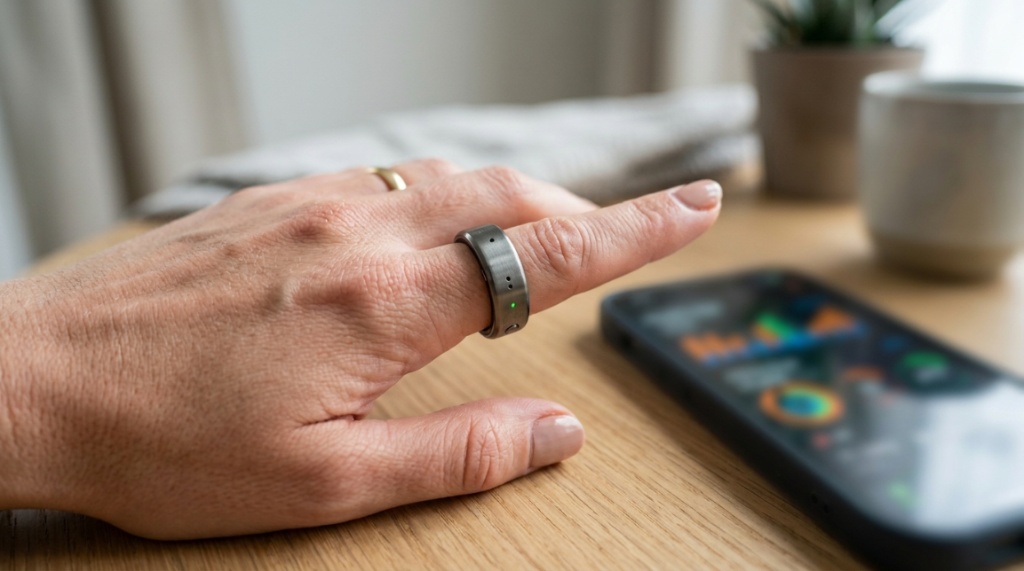
You’ve seen them on social media, spotted them on coworkers’ fingers, and maybe even wondered if they actually work. Fitness tracker rings have exploded in popularity because they promise something most smartwatches don’t: comprehensive health tracking in a discreet, comfortable, and stylish package. But with dozens of models on the market ranging from budget-friendly to premium, how do you choose the right one for your specific needs? The truth is, the best fitness tracker ring for daily health isn’t necessarily the most expensive one—it’s the one that fits your lifestyle, your goals, and your physiology. This guide breaks down exactly what to look for, what to avoid, and how to make a smart purchase that you won’t regret.
Key Takeaways
- Fitness tracker rings prioritize sleep recovery and activity trends over real-time notifications, making them ideal for holistic health monitoring.
- Sensor accuracy varies significantly by brand; look for clinical validation or studies rather than marketing claims.
- Sizing is the most common point of failure—always use the manufacturer’s sizing kit before committing to a purchase.
- Battery life, subscription costs, and ring material (titanium vs. resin) are practical considerations that impact long-term satisfaction.
- Your fitness goals determine which metrics matter most: runners need GPS connectivity, while those focused on recovery should prioritize HRV and sleep data.
What Is a Fitness Tracker Ring and How Does It Work?
A fitness tracker ring is a wearable device shaped like jewelry that packs optical sensors, accelerometers, and temperature gauges into a small, water-resistant shell. Unlike smartwatches, rings don’t have screens. Instead, they collect data continuously and sync it via Bluetooth to a companion smartphone app. You wear the ring 24/7, and the app translates raw sensor data into actionable insights about your sleep, activity, recovery status, and overall physiological trends.
Most rings use photoplethysmography (PPG) to measure blood volume changes, which allows them to calculate heart rate, heart rate variability (HRV), and blood oxygen saturation (SpO2). Accelerometers track movement, helping the ring distinguish between sleep stages and daily physical activity. Skin temperature sensors measure circadian rhythm shifts that can indicate illness, stress, or menstrual cycle changes.
The major difference between a ring and a smartwatch comes down to form factor and philosophy. Rings are designed for passive, continuous monitoring. You don’t interact with them—you just wear them. This means you’re more likely to forget you’re wearing one, which encourages better compliance and more accurate longitudinal data.
Why Choose a Ring Over a Smartwatch for Daily Health?
Choosing between a ring and a smartwatch ultimately comes down to priorities. For daily health monitoring, rings offer several compelling advantages that many users find decisive.
Comfort and Form Factor
Rings are far less intrusive than watches. A ring doesn’t interfere with wrist-based activities like typing, weightlifting, cooking, or playing an instrument. You never need to adjust the strap, charge it nightly, or worry about it catching on clothing. The compact design means you can wear it in professional settings without drawing attention.
Battery Life
Because rings lack power-hungry displays, they achieve much longer battery life. Most models last between four and seven days on a single charge. Some advanced models, like those using the Oura Generation 3, can stretch to nearly a week with moderate use. This reduces the risk of missing data because you forgot to charge it before bed.
Sleep Tracking Accuracy
Rings excel at sleep tracking for a simple physical reason: they sit snugly on your finger, where blood flow signals are strong. This anatomical advantage often translates into more accurate sleep stage detection and less motion artifact compared to wrist-based sensors. For people who want deep insight into sleep quality, a ring is often the superior choice.
Psychological Impact
Without a screen buzzing every few minutes, rings encourage a more mindful relationship with technology. You check the app when you want insights, not constantly throughout the day. This reduces notification fatigue and helps you stay focused on long-term health trends rather than momentary fluctuations, For those working in specialized industrial or remote safety environments, ensuring proper gear readiness is just as critical as personal wellness; learn more about essential safety tools in our guide on Confined Space Rescue Equipment Explained.
Key Features to Evaluate Before You Buy
The market for smart rings is growing quickly, with new players entering regularly. To avoid making a costly mistake, focus on the features that genuinely matter for your daily health goals.
Sensor Accuracy and Validation
Not all sensors are created equal. Some manufacturers publish clinical validation studies to prove their accuracy against medical-grade equipment. Others rely on marketing language like “medical-grade” without third-party verification. Look for brands that provide data from real studies or independent testing (e.g., research conducted by academic institutions). While you don’t need lab-grade accuracy for most health insights (your body’s trends matter more than single-point measurements), validated sensors are more trustworthy for tracking HRV and blood oxygen levels.
Sleep and Recovery Metrics
If your primary goal is sleep optimization, prioritize rings that include:
- Sleep staging (light, deep, REM)
- Sleep score (a combined metric of sleep quality)
- HRV monitoring during sleep
- Skin temperature trends
- Readiness or recovery score the next morning
These metrics together give you a fuller picture of recovery rather than just “how many hours you slept.” A readiness score that incorporates HRV, body temperature, and sleep quality is more actionable for adjusting your daily training load.
Activity Tracking and Workout Detection
Most rings automatically recognize basic activities like walking, running, and cycling. Advanced rings also track steps, calories burned, and active minutes. However, note that rings are not ideal for tracking structured strength training in real-time—you won’t get rep counts or set timers. For most daily health users, the ring’s job is to track overall daily movement and exercise duration, not to replace a dedicated sports watch. If you exclusively do CrossFit or HIIT (High-Intensity Interval Training), a watch might still be a better companion.
Water Resistance and Durability
Check the water resistance rating (typically measured in ATM—atmospheres). Most rings are water-resistant to at least 5 ATM, which means they are safe for swimming and showering. For scuba diving, look for a ring rated to 10 ATM or greater. Materials matter here too: titanium rings are durable and hypoallergenic for most people, while resin or polymer options are more affordable but susceptible to scratching.
Subscription Fees
This is the most overlooked detail by first-time buyers. Some rings (like Oura) require a monthly subscription for full app access to historical trends, detailed HRV graphs, and readiness insights. Others offer those features free for life. Factor in a two-year subscription cost when comparing overall prices. A ring that seems cheaper upfront could cost significantly more over time if it has mandatory subscription tiers.
How to Ensure the Perfect Fit and Comfort

Fit is arguably more important than the ring’s specifications. A poorly fitted ring leads to unreliable data and can be physically uncomfortable, especially during sleep. Follow these steps to avoid sizing issues:
- Use the manufacturer’s free sizing kit first. Most legitimate brands ship a plastic test kit before you commit to the final ring.
- Measure at different times of the day. Fingers can swell with heat, exercise, and salt intake, so measure in the morning and again in the evening to find a comfortable middle ground.
- Consider your dominant hand. The dominant hand tends to be slightly larger due to muscle development, which can affect sensor pressure. Most brands recommend wearing the ring on your non-dominant index or middle finger for best data quality.
- Allow for a snug but not tight fit. You should not need to twist hard to remove it, but also no gap should be visible between the sensor and your skin.
If you buy from a manufacturer without a sizing kit, you’re gambling. Sizing mistakes are the leading reason for returns in this product category. For a broader look at specific models and local purchasing options, explore this curated list of top fitness tracker rings to see how different brands approach sizing and comfort.
Battery Life, Charging, and Data Syncing
Battery life directly affects how consistently you wear the ring, and consistency is key for reliable health trends. Most rings last between four to seven days, but this varies based on sensor sampling rates. Some rings with continuous skin temperature sensing and HRV monitoring drain faster than simpler models.
Charging methods also differ. Some rings come with a small dock that you set the ring into; others use a USB-C cable that plugs into a charger. Think about where you’ll actually charge it. Does the charger support travel convenience? Can you charge on the go? A ring with a proprietary charger is technically more fragile—losing it means buying a replacement from the manufacturer.
Syncing frequency matters too. Some rings sync continuously via Bluetooth, while others require you to open the app to sync. For most daily health use, syncing twice a day is sufficient to keep the app updated. Just be aware that if you forget to sync for several days, some rings will only send summary data, and you may lose daily grain details.
Analyzing Your Data: Which Metrics Really Matter?
Once you have the ring, the real value lies in how you interpret the data. Many beginners make the mistake of obsessing over individual daily scores. Instead, focus on weekly trends. Your body’s baseline is a moving target—affected by hormones, sleep debt, stress, training, and even nutrition.
Heart Rate Variability (HRV)
HRV represents how well your nervous system adapts to stress. A higher HRV generally signals better recovery and readiness to perform. Sleep deprivation, excessive caffeine, and illness all lower HRV. Over weeks, tracking HRV trends helps you understand how your lifestyle choices affect your body’s stress response.
Resting Heart Rate (RHR)
Your resting heart rate typically decreases as fitness improves. Alarm bells should ring if your RHR increases consistently for a week or more, especially combined with high body temperature—that combination often precedes illness or indicates deep fatigue.
Sleep Stage Distribution
Simply knowing you slept 7 hours isn’t enough. Checking whether you get sufficient deep sleep (for physical recovery) and REM sleep (for cognitive restoration) tells you more about sleep quality. If your ring shows low deep sleep consistently, you might need to adjust sleep hygiene—like reducing caffeine intake after noon or keeping a cooler bedroom,
For those working in specialized industrial or remote safety environments, ensuring proper gear readiness is just as critical as personal wellness; learn more about essential safety tools in our guide on Confined Space Rescue Equipment Explained.
Readiness or Recovery Score
This composite metric combines HRV, temperature, and sleep quality into a single, easy-to-understand number. A low readiness score suggests you should take an easier day or prioritize extra sleep. Most top fitness tracker rings for daily health include some form of readiness scoring because it turns complex physiology into a practical daily recommendation.
Common Mistakes Buyers Make (And How to Avoid Them)
Many users end up dissatisfied not because the ring is bad but because they chose the wrong model for their needs. Below are the most frequent errors and how to avoid them:
- Choosing a model without a comprehensive app. The ring hardware is important, but the app is where insights are generated. A ring with a sparse or buggy app will be nearly useless. Read app store reviews before purchasing.
- Ignoring warranty and return policies. Rings wear out over time, and batteries degrade just like any other device. Buy from a brand with at least a 1-year warranty and a reasonable return window.
- Focusing on step count over recovery. Daily step counting is just one data point. The real value of a ring is the recovery and sleep insights that you get when you wake up. If you only care about step count, a cheap pedometer is sufficient.
- Not considering finger size changes. Weight loss, pregnancy, or significant muscle gain will change your ring size. If you expect major body changes in the next year, choose a ring that offers affordable resizing options (though in practice, most brands don’t, so budget accordingly).
Comparison: Ring vs. Smartwatch for Specific Use Cases
| Use Case | Fitness Tracker Ring | Smartwatch |
|---|---|---|
| Sleep tracking | Excellent—better sensor placement, less intrusive | Good—but often removed for charging or uncomfortable to sleep in |
| Structured GPS runs | Weak—needs phone nearby for GPS | Excellent—built-in GPS for pace and route |
| Discreet daily wear | Excellent—looks like jewelry | Moderate—bulky, noticeable display |
| Battery life | 4–7 days | 1–2 days on average |
| Real-time notifications | Not available | Fully supported |
| Strengthening training | Limited—no rep counting | Moderate—good for structured workouts |
| Long-term recovery trends | Excellent—continuous 24/7 monitoring | Good—but gaps due to charging |
This table clarifies the core trade-off. If you want a complete picture of your daily health and sleep, and you don’t need interaction with notifications during workouts, a ring is the better fit. If real-time metrics during exercise and navigation are non-negotiable, stick with a watch.
Frequently Asked Questions
Can I wear a fitness ring while lifting weights or doing CrossFit?
Yes, but with a caveat. Rings are comfortable and safe for most weightlifting activities. However, the lower sensor accuracy during heavy grip strength exercises means you may not get accurate continuous heart rate data. For strength workouts, it’s better to rely on recorded time and perceived exertion rather than real-time metrics from the ring.
Will the ring give me accurate blood oxygen (SpO2) readings?
Most modern rings include SpO2 sensing, but accuracy varies. Readings are most reliable when you are still, particularly during sleep. Motion can cause false low readings. Treat SpO2 as a trend metric rather than a diagnostic tool. If you ever get a consistently low reading, always confirm with a medical-grade device.
Do I need to subscribe to a paid plan to use the ring?
It depends entirely on the brand. Some manufacturers (e.g., Oura) require a monthly subscription for detailed historical data and readiness scores. Others offer all analytics free. Before purchasing, calculate the total cost of ownership over at least 2 years so there are no surprises later.
How do I know if the ring is too tight or too loose?
A well-fitting ring should leave a slight mark when removed but should not itch, pinch, or leave a deep indentation. You should be able to slide it off with moderate pressure, but it should never slide off on its own. If your finger turns red or feels numb after wearing it for a few hours, you need a larger size.
Can I wear the ring in the shower or while swimming?
Yes, most fitness rings have a water resistance rating of at least 5 ATM, meaning they are safe in showers and shallow water. Always dry the ring thoroughly after contact with soapy water because soap can degrade the sealing adhesive over time. Saltwater and chlorine are generally fine for short exposure, but rinse the ring afterward.
How long do these rings last before needing replacement?
Most rings are expected to last 2 to 3 years before the internal battery degrades to a point where it can no longer hold a full-day charge. Since the battery is sealed inside the ring without repair options, this makes the ring a consumable product rather than a long-term investment. This lifespan is another reason why considering the total cost with subscriptions matters.
Conclusion
Choosing the right fitness tracker ring for daily health requires you to weigh comfort, sensor accuracy, battery life, and software quality against your personal goals. If you prioritize sleep, recovery, and stress trends, a ring is likely an excellent fit. To find the best option for your needs, start by ordering sizing kits from two or three leading brands, then compare how their apps present data to decide which is most intuitive for you. Remember that the goal of these devices is to give you insights, not to impose daily pressures. The best ring is one you forget you’re wearing but continue to consult every morning for better health decisions.