Schools across Seattle now focus on student engagement in ways that move far beyond textbooks and lectures. According to the National Center for Education Statistics, students who actively participate in classroom activities often show higher attendance and stronger academic growth. In Seattle, many educators now recognize the impact of emotional learning, hands-on projects, and digital collaboration. At the same time, parents continue to question standardized education system problems that limit creativity and practical thinking. As a result, schools throughout the city have started redesigning classrooms and teaching strategies. These changes aim to help students feel motivated, connected, and prepared for real-world challenges.
Project-Based Learning Is Replacing Passive Instruction
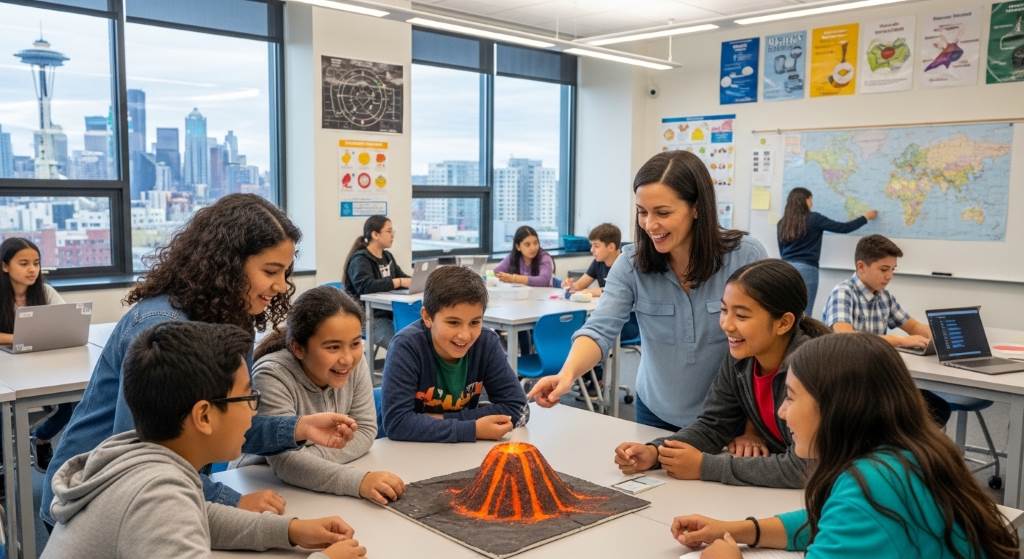
Seattle schools increasingly use project-based learning to make lessons more meaningful for students. Instead of memorizing information for tests, learners now solve real problems through teamwork and research. Many teachers connect assignments to local environmental issues, technology trends, and community needs. This method also encourages communication skills and independent thinking in every grade level.
Several schools now design science projects around Seattle’s rainy climate and coastal environment. Students often study water conservation, sustainable energy, and urban gardening during outdoor lessons. These activities keep learners physically active while improving classroom participation. Additionally, teachers combine these projects with best study tips for kids to strengthen focus and long-term learning habits.
Teachers also report that students become more confident when they work on practical assignments. Many classrooms now include student presentations, peer reviews, and collaborative planning sessions. Because of this structure, quieter students often feel more comfortable contributing ideas. Schools believe this approach creates stronger engagement than traditional lectures alone.
Outdoor Education Programs Are Becoming More Common
Seattle’s natural surroundings give schools unique opportunities to create engaging outdoor learning experiences. Students regularly visit parks, forests, and waterfront areas to support classroom subjects. These field activities help learners understand science, geography, and environmental responsibility more clearly. As a result, students often retain information longer through direct observation.
Rainy weather no longer limits outdoor learning in many Seattle schools. Instead, educators use weather-resistant equipment and covered outdoor spaces for year-round instruction. Students often conduct nature experiments during light rain while learning about ecosystems and climate patterns. This local approach helps children adapt to the region’s environment while staying active.
Some schools even include mindfulness walks and outdoor journaling sessions during the school day. These activities reduce stress and improve concentration among students. Teachers have noticed stronger classroom behavior after short outdoor learning breaks. Consequently, schools continue expanding these programs across multiple grade levels.
Technology Integration Is Supporting Personalized Engagement
Seattle has strong connections to the technology industry, and schools use this advantage to modernize learning environments. Many classrooms now include interactive software, virtual simulations, and digital collaboration tools. Students can access customized lessons based on their skill levels and interests. Therefore, learners often feel more involved in the educational process.
Teachers also use educational apps to provide immediate feedback on assignments and quizzes. Students can review mistakes quickly and improve understanding without waiting days for graded papers. In addition, digital discussion boards encourage participation from students who hesitate to speak in class. This balanced use of technology increases engagement while supporting different learning styles.
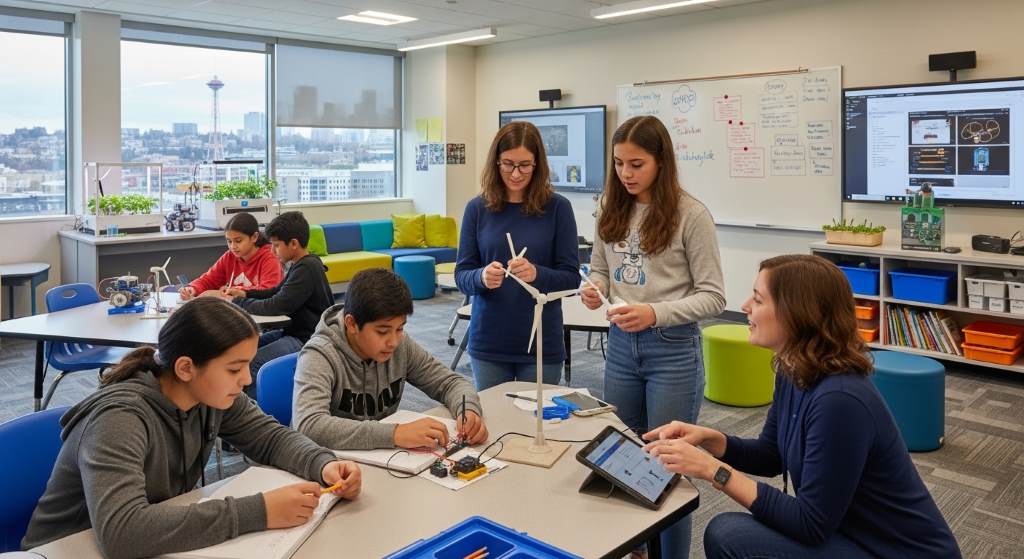
Several schools now teach coding, robotics, and media production as part of regular coursework. Students create podcasts, videos, and software projects connected to academic subjects. These experiences allow learners to apply classroom knowledge in practical ways. Consequently, students become more motivated because they see direct value in what they learn.
Social And Emotional Learning Is Reshaping Classrooms
Seattle educators increasingly understand that emotional well-being directly affects academic performance. Many schools now include social and emotional learning activities within daily classroom routines. Students practice communication, conflict resolution, and emotional awareness alongside academic lessons. This balanced approach creates stronger classroom relationships and greater student participation.
Teachers regularly hold group discussions where students share personal experiences and classroom concerns. These conversations help learners feel respected and understood within the school community. Furthermore, many educators combine these sessions with strategies from combine formal education with self-learning to encourage independent growth outside school hours. Students often become more responsible when they feel ownership over their learning process.
Several schools also provide quiet wellness rooms where students can relax during stressful moments. These spaces include calming lighting, sensory tools, and guided breathing exercises. Teachers report fewer behavioral issues after introducing these supportive environments. As a result, schools continue investing in emotional support systems for students.
Student Voice Is Playing A Larger Role In Education
Seattle schools increasingly involve students in decisions related to classroom activities and school policies. Teachers often ask learners to help choose project topics, reading materials, and discussion themes. This practice gives students a stronger sense of responsibility and ownership. Consequently, participation levels improve because learners feel their opinions matter.
Many schools now organize student advisory groups that meet with teachers and administrators regularly. Students share concerns about workload, learning environments, and campus culture during these meetings. Schools then adjust policies based on constructive student feedback. This open communication helps create a more supportive educational atmosphere.
Some classrooms even allow students to design parts of their own assignments and presentations. Learners can choose creative formats such as videos, podcasts, or community projects instead of standard essays. Because of this flexibility, students often show greater enthusiasm and originality. Educators believe these opportunities improve long-term engagement and confidence.
Career-Focused Learning Is Connecting Education To Real Life
Seattle schools now place stronger emphasis on preparing students for future careers and real-world responsibilities. Many programs connect students with local businesses, nonprofit organizations, and technology companies. These partnerships provide internships, workshops, and mentorship opportunities throughout the school year. Students therefore gain practical skills while exploring possible career paths.
Several schools invite professionals from industries such as software development, healthcare, and environmental science to speak with students. These sessions help learners understand how classroom subjects apply to future jobs. Students often become more motivated after hearing real examples from working professionals. This career-focused approach also helps reduce uncertainty about life after graduation.
Teachers now integrate financial literacy, entrepreneurship, and communication skills into standard lesson plans as well. Students learn budgeting, teamwork, and project management through hands-on classroom activities. Many schools believe these practical lessons increase student confidence and independence. Consequently, learners stay more engaged because they recognize the real-world value of education.
Immersive Learning Spaces Are Changing Student Experiences
Seattle schools increasingly redesign classrooms to support creativity, collaboration, and movement. Traditional rows of desks now give way to flexible seating, group tables, and interactive stations. Students can move freely during lessons instead of remaining seated for long periods. This physical flexibility helps improve energy levels and classroom attention.
Some schools also use immersive technology labs where students interact with virtual reality and simulation tools. Learners can explore historical events, scientific systems, and engineering concepts through hands-on digital experiences. In addition, teachers apply methods inspired by interactive lessons immersive learning to increase participation across different subjects. Students often retain more information when they actively experience concepts instead of simply reading about them.
Art, music, and movement-based activities also appear more frequently in Seattle classrooms today. Teachers use creative exercises to support problem-solving and emotional expression during lessons. Many students respond positively to this balanced learning environment. As a result, schools continue expanding immersive educational strategies.
Community Partnerships Are Strengthening Engagement
Seattle schools often collaborate with local organizations to provide unique educational opportunities for students. Museums, libraries, environmental groups, and community centers regularly support classroom learning initiatives. These partnerships allow students to experience education beyond school walls. Therefore, learners gain broader perspectives on academic subjects and community involvement.
Local volunteers and mentors also support after-school programs focused on arts, science, and leadership development. Students receive additional guidance while exploring personal interests and talents. These programs often help struggling learners regain confidence and motivation. Consequently, schools see improved attendance and stronger social connections among participants.
Some schools even involve families directly in engagement programs through workshops and community events. Parents can participate in classroom activities, technology nights, and cultural celebrations throughout the year. This collaboration strengthens communication between schools and households. Educators believe strong community support plays a major role in student success.
Conclusion
Schools in Seattle, WA continue transforming education by focusing on creativity, emotional well-being, collaboration, and practical learning experiences. These schools no longer rely only on lectures and standardized testing to measure student success. Instead, they create engaging environments where students actively participate in meaningful activities every day. Many educators now see stronger academic performance, improved behavior, and greater confidence among students through these methods. If schools across the country want stronger engagement results, they can learn from Seattle’s innovative approach and explore strategies like interactive lessons immersive learning for future classroom success.
FAQs
Why are Seattle schools moving beyond traditional teaching methods?
Seattle schools want to improve student motivation, participation, and real-world skill development.
How does outdoor learning help student engagement?
Outdoor learning improves focus, physical activity, and long-term understanding through hands-on experiences.
What role does technology play in Seattle classrooms?
Technology supports personalized learning, faster feedback, and interactive educational experiences.
Why is social and emotional learning important for students?
Social and emotional learning helps students manage emotions, communicate better, and stay engaged academically.
How do community partnerships benefit Seattle schools?
Community partnerships provide students with mentorship, practical experiences, and additional educational resources.