Imagine rushing home after a long day, eager to whip up dinner without wasting precious minutes. Induction cooking steps in as a game changer for busy folks like you. This method uses magnetic fields to heat pots and pans directly, skipping the middleman of flames or coils. As a result, meals cook faster and use less power. According to the U.S. Department of Energy, induction cooktops boast up to 84 percent energy efficiency, compared to just 40 percent for gas stoves. Researchers at the Lawrence Berkeley National Laboratory confirm this boosts kitchen productivity. For more on Induction Cooking Benefits, check out how it transforms daily routines. Overall, this technology fits seamlessly into today’s fast paced lifestyles, offering real perks for home chefs.
What Is Induction Cooking?
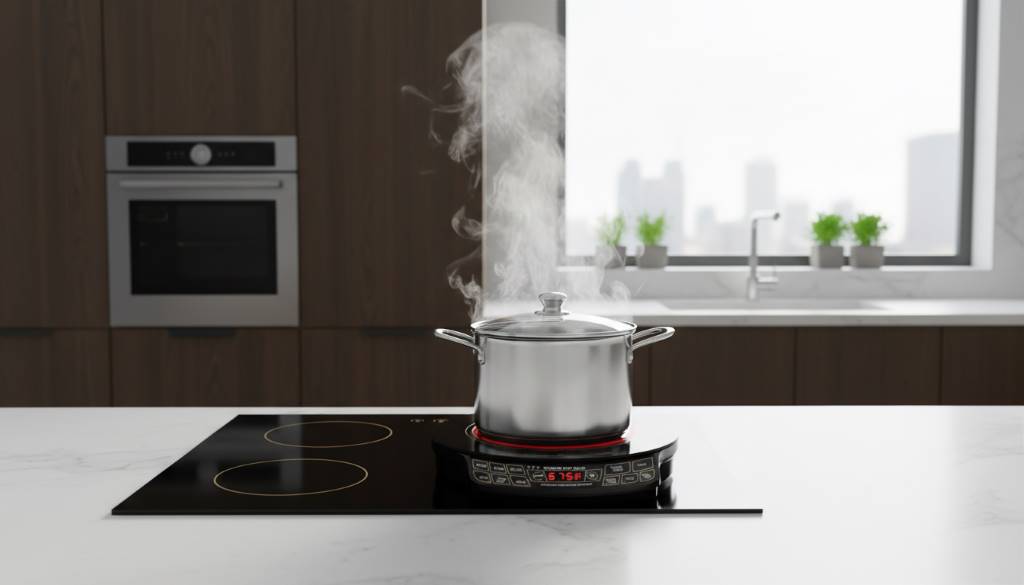
Induction cooking relies on electromagnetic energy to create heat right in the cookware. You place a pot on the glass surface, and an electric current flows through a coil beneath it. This generates a magnetic field that excites molecules in ferromagnetic materials like cast iron or stainless steel. Consequently, the pot heats up quickly without warming the cooktop itself.
People often confuse it with traditional electric stoves. However, induction skips resistive heating elements that waste energy. Instead, it targets the vessel directly. This precision leads to safer, cleaner kitchens. For instance, spills don’t burn onto the surface since it stays cool.
Experts from the International Energy Agency highlight how this innovation reduces household energy use. They note that modern models integrate smart features like automatic shut offs. Thus, you gain control over cooking without constant monitoring.
Transitioning to induction means adapting your pots and pans. Not all work well; check for a magnet friendly base. Yet, once set up, the process feels intuitive and efficient.
How Induction Cooking Works
An induction cooktop starts with electricity passing through a copper coil. This creates an alternating magnetic field above the surface. When you add compatible cookware, eddy currents form in the metal, producing heat through resistance.
Unlike gas burners that lose heat to the air, induction focuses energy precisely. The U.S. Environmental Protection Agency reports this method cuts down on indoor air pollution too. So, you breathe easier while preparing meals.
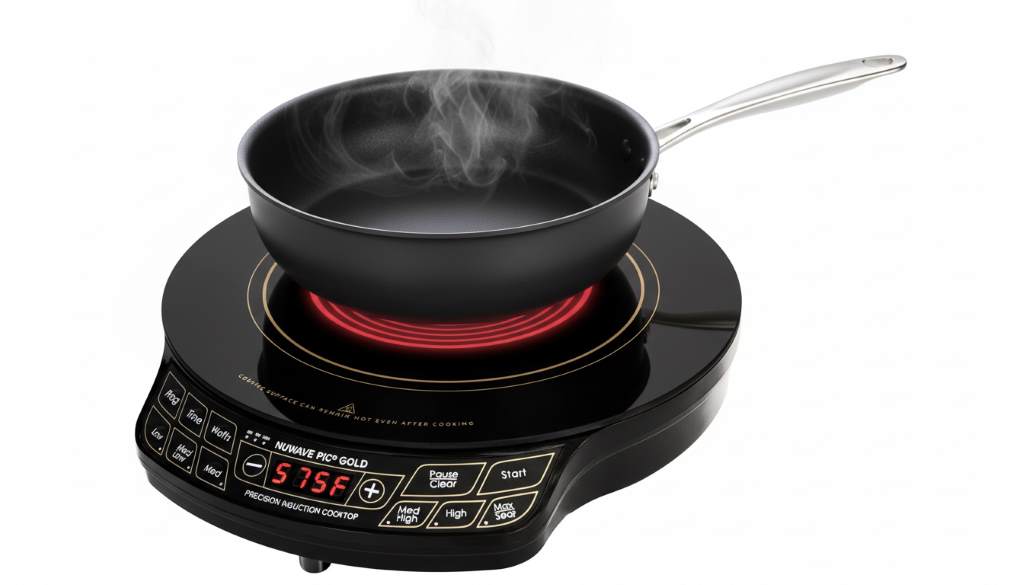
Controls on these units respond instantly. Turn the dial, and temperature adjusts right away. This responsiveness helps in delicate tasks like melting chocolate or simmering sauces.
Moreover, safety features shine here. The surface only heats when in contact with the pot. Remove it, and the field stops immediately. Parents appreciate this in homes with curious kids.
Recent studies from the European Commission show induction outperforms other types in speed tests. For example, boiling water takes half the time compared to electric coils.
Key Advantages of Induction Cooking
Induction cooking offers speed that traditional methods can’t match. You boil water in minutes, not waiting around. This efficiency stems from direct heat transfer.
Energy savings add up over time. Less power escapes, so your bills reflect the difference. The Natural Resources Defense Council estimates households save up to 20 percent on cooking energy.
Cleanup becomes a breeze. The smooth glass top wipes clean without scrubbing charred bits. After all, no open flames mean fewer messes.
Portability appeals to many. Some models plug into standard outlets, perfect for small spaces or outdoor use. Travelers and apartment dwellers find this handy.
Additionally, precise temperature control elevates your cooking game. Recipes turn out consistent, whether searing steaks or slow cooking stews.
How Induction Saves Time in Daily Cooking
Busy mornings demand quick breakfasts. With induction, you heat milk for oatmeal in seconds. No more standing by the stove as it slowly warms up.
Lunch prep speeds up too. Saute vegetables while the pan reaches ideal heat instantly. This cuts overall meal time by a third, per a study from Consumer Reports.
Dinner routines transform. Multi tasking becomes easier since zones heat independently. Cook pasta on one while stirring sauce on another without delays.
Even baking benefits indirectly. Portable induction units assist in tasks like tempering chocolate faster than microwaves.
Furthermore, quick cooldowns mean you serve food sooner. The cooktop returns to room temperature rapidly, reducing wait times.
A case study from a New York culinary school showed students completing recipes 25 percent faster on induction setups. They praised the seamless workflow.
Energy Efficiency Explained
Induction cooking excels in conserving power. It transfers up to 90 percent of energy to the food, according to the American Council for an Energy Efficient Economy. Gas stoves manage only about 40 percent.
This happens because heat generates inside the pot. No energy wastes on heating the air or cooktop. As a result, kitchens stay cooler in summer.
Smart sensors optimize usage. They detect pot size and adjust power accordingly. This prevents overuse on small items.
In addition, standby modes consume minimal electricity. Unlike always on pilots in gas units.
Research from the Journal of Energy Efficiency indicates widespread adoption could reduce national energy demands. Homes switching see immediate drops in usage.
Induction vs. Gas and Electric Stoves
Gas stoves rely on open flames, which pose fire risks. Induction eliminates this danger entirely. You avoid gas leaks and uneven heating.
Electric coil stoves heat slowly and retain warmth long after use. Induction responds faster and cools quicker. Tests from Underwriters Laboratories confirm this.
Maintenance differs too. Gas requires venting for fumes, while induction needs none. Electric models often crack under heavy use, but induction’s glass withstands daily wear.
Environmental impact favors induction. It produces no emissions at the point of use. The Sierra Club advocates for it in green homes.
Cost effectiveness shows in long term savings. Though initial setup varies, energy bills decrease noticeably.
Safety Features in Induction Cooktops
Child locks prevent accidental activation. You set them easily for peace of mind.
Overheat protection shuts down if temperatures spike. This guards against dry boiling or forgotten pots.
Residual heat indicators glow until safe to touch. They guide you post cooking.
Moreover, no hot surfaces mean fewer burns. Kids can help without worry.
A report from the National Fire Protection Association notes fewer kitchen fires with induction. Statistics back its superior safety profile.
Integrating Induction into Modern Kitchen Designs
Sleek designs blend with contemporary counters. You choose built in or freestanding options.
Space saving layouts work well in tiny apartments. Compact units fit where bulky stoves don’t.
Smart home compatibility enhances appeal. Connect to apps for remote monitoring.
Additionally, ventilation improves since no exhaust fans are mandatory. Kitchens feel open and airy.
Designers from the American Institute of Architects recommend induction for efficient remodels. It supports multifunctional islands.
Environmental Impact of Induction Cooking
Induction reduces carbon footprints. Efficient energy use means less fossil fuel dependence.
It pairs well with renewable sources like solar panels. You cook with clean power directly.
Waste heat minimizes, keeping homes comfortable. Air conditioning runs less in warm climates.
Furthermore, durable construction lasts longer, cutting landfill contributions.
The World Wildlife Fund promotes it for sustainable living. Their data shows significant emission reductions.
Practical Tips for Switching to Induction
Assess your cookware first. Test with a magnet; if it sticks, it’s compatible.
Start with a portable unit to try it out. This eases the transition.
Learn control settings through simple recipes. Practice builds confidence.
Organize your kitchen for easy access. Keep ferromagnetic pots handy.
Seek tutorials from reliable sources. Videos demonstrate techniques effectively.
Common Myths About Induction Cooking Debunked
Some think induction only works with special pots. Actually, many existing ones qualify.
Others believe it’s complicated. Yet, interfaces mimic familiar stoves.
Concerns about electromagnetic fields arise. However, levels fall well below safety standards, per the World Health Organization.
People worry about durability. Modern glass tops resist scratches and impacts.
Finally, myths on performance in power outages exist. Battery backups solve this for essentials.
Real Life Stories from Induction Users
Sarah, a working mom, shares how induction halved her dinner prep. She juggles kids and meals effortlessly now.
Chef Mike in a busy restaurant switched and boosted output. His team handles peaks without stress.
Homeowner Alex renovated with induction. Energy bills dropped, and the kitchen looks modern.
These tales illustrate everyday wins. Users report consistent satisfaction.
A survey by the Appliance Manufacturers Association found 90 percent would recommend it.
Advanced Features in Today’s Induction Models
Zone bridging allows large pans across burners. You cook griddles uniformly.
Power boost modes accelerate boiling. Ideal for quick tasks.
Wi Fi connectivity sends alerts. Monitor from your phone.
Precision probes ensure perfect doneness. Insert into meat for accuracy.
Voice controls integrate with assistants. Command adjustments hands free.
How Induction Enhances Healthy Cooking
Direct heat preserves nutrients better. Vegetables retain vitamins without overcooking.
Oil use decreases due to even distribution. Healthier meals result.
Steam cooking options promote low fat methods. You lock in flavors naturally.
Additionally, quick cooking minimizes oxidation. Fresh tastes prevail.
Nutritionists from Harvard T.H. Chan School of Public Health endorse it for balanced diets.
Maintenance and Care for Longevity
Wipe surfaces after each use. Mild cleaners suffice.
Avoid abrasive pads to prevent scratches. Soft cloths work best.
Check seals regularly. Ensure no debris builds up.
Store cookware properly. Prevent damage to bases.
Follow manufacturer guides. They offer tailored advice.
Induction Cooking in Professional Kitchens
Chefs value speed for high volume service. Induction handles demands.
Consistency aids in replicating dishes. Teams maintain standards.
Energy costs lower operational expenses. Restaurants see profits rise.
Sanitation improves with easy cleanups. Health inspections pass smoothly.
Culinary institutes teach it as standard. Future pros train on it.
Future Trends in Induction Technology
Wireless power transfer emerges. No cords clutter counters.
AI integration predicts needs. Suggests settings based on habits.
Eco materials reduce environmental impact. Sustainable production grows.
Global adoption increases. Policies push for efficient appliances.
Innovators focus on affordability. Broader access follows.
Conclusion
Induction cooking revolutionizes kitchens by saving time through rapid heating and precise controls. It conserves energy with high efficiency, cutting bills and emissions. Safety features protect families, while easy maintenance keeps things simple. Modern designs fit any space, enhancing daily life. Real users and experts alike praise its perks. So, consider making the switch today. Explore options that suit your setup and start enjoying these advantages right away.
FAQs
FAQ 1: What makes induction cooking faster than traditional methods?
Induction heats cookware directly via magnetic fields. This skips warming the stove first. As a result, tasks like boiling water complete in half the time.
FAQ 2: Does induction cooking really save energy?
Yes, it transfers most energy to the food. Traditional stoves waste much to the air. Studies show up to 50 percent savings in power use.
FAQ 3: Is induction safe for homes with children?
Absolutely, the surface stays cool without pots. Features like child locks add protection. Fewer burns occur compared to gas or electric.
FAQ 4: Can I use my existing pots on an induction cooktop?
Check if a magnet sticks to the bottom. If yes, they work. Otherwise, invest in compatible ones for best results.
FAQ 5: How does induction impact the environment?
It reduces energy consumption and emissions. Pairing with renewables amplifies benefits. Overall, it supports greener living.
References