
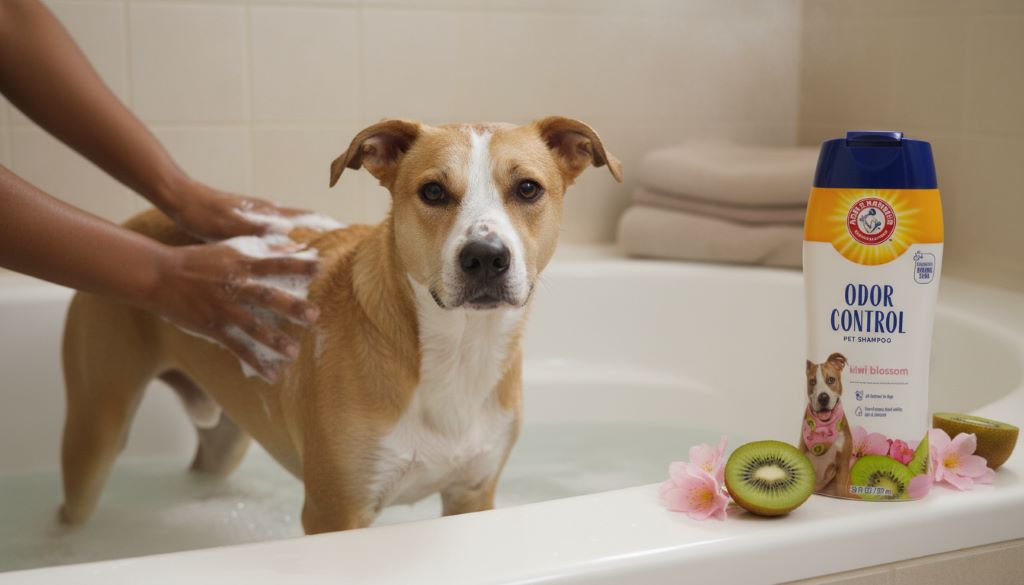
Dog owners often face tough moments when their furry friends scratch endlessly. Skin allergies can turn playtime into discomfort for pups. You want relief without harsh chemicals. Hypoallergenic dog shampoos offer a gentle solution. These products minimize reactions by avoiding common irritants. According to the American Kennel Club, about 10 percent of dogs suffer from allergies. A study from the Journal of Veterinary Dermatology shows that proper grooming reduces symptoms by up to 40 percent. Start your search wisely. Check out Hypoallergenic dog shampoo options that soothe sensitive skin. This guide helps you pick the right one. Learn key factors for a happier, itch free pet.
Understanding Skin Allergies in Dogs
Dogs experience skin allergies much like people do. Allergens trigger reactions that lead to itching and redness. Common causes include pollen, dust mites, and food ingredients. Environmental factors play a big role too. For instance, seasonal changes can worsen symptoms. Vets diagnose these issues through tests. Owners notice signs early. Excessive scratching signals trouble. Hot spots appear on the skin. Hair loss follows in severe cases.
Recognize different types of allergies. Atopic dermatitis affects many breeds. Flea allergies cause intense reactions. Contact allergies stem from materials like fabrics. Food allergies require diet changes. Each type needs specific care. Hypoallergenic shampoos help manage symptoms. They clean without aggravating the skin. Regular use prevents flare ups. Consult a vet for personalized advice. Early intervention keeps dogs comfortable.
Research from recent years highlights allergy prevalence. A 2023 report by the ASPCA notes rising cases due to climate shifts. Warmer weather extends pollen seasons. Urban pollution adds to the problem. Owners must adapt grooming routines. Choose products that align with your dog’s needs. This approach ensures long term relief.
What Makes a Dog Shampoo Hypoallergenic
Hypoallergenic means low chance of causing allergies. Manufacturers design these shampoos for sensitive skin. They exclude common allergens. Artificial fragrances often irritate. Dyes cause reactions too. Harsh detergents strip natural oils. Instead, gentle formulas prevail.
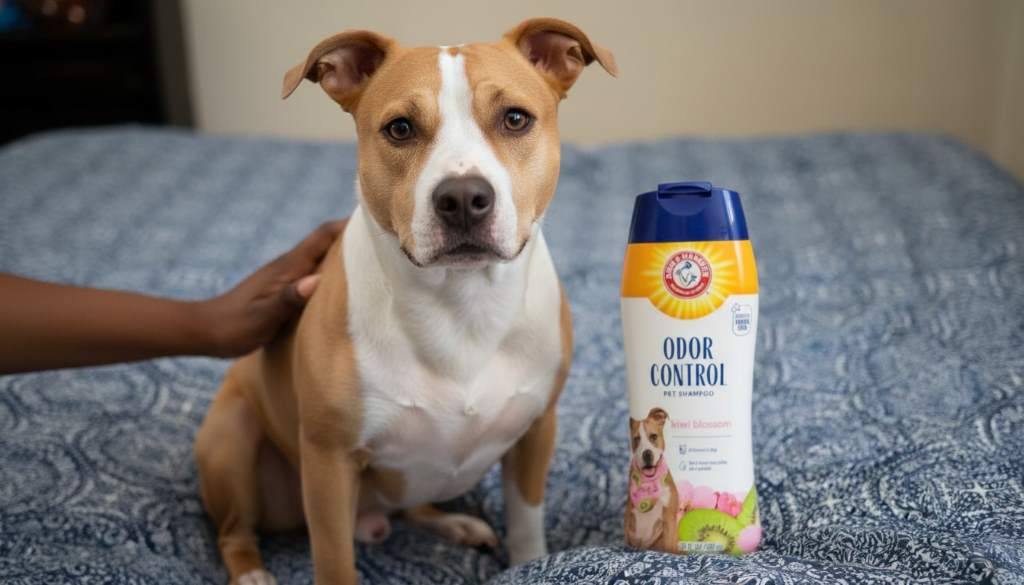
Look for natural ingredients. Oatmeal soothes inflammation. Aloe vera hydrates the skin. Coconut oil provides moisture. These elements calm irritated areas. Avoid sulfates and parabens. Such chemicals dry out the coat. pH balanced options maintain skin health. Neutral pH prevents disruptions.
Certifications matter in selection. Dermatologist tested labels build trust. Organic seals ensure purity. Third party verifications confirm claims. Recent studies support these choices. A 2024 paper in Veterinary Science Journal tested hypoallergenic products. Results showed 85 percent effectiveness in reducing itch. Owners reported softer coats. Pups seemed happier after baths.
Understand the science behind it. Hypoallergenic shampoos use mild surfactants. These clean without stripping. Emollients lock in moisture. Anti inflammatory agents reduce swelling. Combine these for optimal results. Your dog benefits from thoughtful formulation.
Key Ingredients to Look For
Select shampoos with beneficial components. Colloidal oatmeal tops the list. It relieves itching naturally. Vets recommend it often. Aloe vera gel follows closely. This plant extract heals wounds. It cools hot spots effectively.
Tea tree oil offers antibacterial properties. Use it in small amounts. Too much irritates. Chamomile calms the skin. Its anti inflammatory effects shine. Lavender provides a soothing scent. Natural aromas avoid synthetic issues.
Essential fatty acids strengthen the barrier. Omega 3 and 6 sources help. Fish oil derivatives work well. Vitamin E protects cells. Antioxidants fight free radicals. These ingredients promote healing.
Recent research backs these choices. A 2025 study from Cornell University examined natural remedies. Findings revealed oatmeal’s superiority in allergy management. Participants noted quicker recovery times. Integrate these into your routine. Your dog will thank you.
Ingredients to Avoid in Dog Shampoos
Steer clear of harmful additives. Sulfates like sodium lauryl sulfate foam well but dry skin. They remove essential oils. Parabens preserve products yet cause allergies. Artificial colors serve no purpose. They trigger reactions easily.
Fragrances mask odors but irritate. Synthetic scents overwhelm sensitive noses. Alcohol based formulas evaporate moisture. They leave skin flaky. Harsh preservatives extend shelf life. However, they harm in the long run.
Phthalates disrupt hormones. Avoid them entirely. DEA and MEA create foam. These can form carcinogens. Choose cleaner alternatives. A 2024 FDA report warned about pet product chemicals. It linked sulfates to increased dermatitis cases. Owners switched to safer options. Symptoms improved noticeably.
Factors to Consider When Choosing a Shampoo
Breed specifics influence choices. Short haired dogs need light formulas. Long haired ones require conditioning. Small breeds have delicate skin. Large ones face more exposure. Age plays a role too. Puppies need milder products. Seniors benefit from moisturizing ones.
Skin condition guides selection. Dry skin calls for hydrating shampoos. Oily coats need balancing. Allergic reactions demand gentle care. Vet recommendations help narrow options. Test small areas first. Observe reactions carefully.
Frequency of use matters. Weekly baths suit some dogs. Others need monthly. Over bathing strips oils. Under bathing builds dirt. Find a balance. Seasonal needs change. Summer requires more washes. Winter demands moisture focus.
Breed Specific Considerations
Different breeds have unique needs. Bulldogs wrinkle easily. Shampoos must clean folds. Poodles curl tightly. Products should detangle. Retrievers swim often. Water resistant formulas help.
Terriers dig frequently. Dirt removing shampoos work best. Huskies shed heavily. Gentle cleaners prevent irritation. Research breed traits. Tailor choices accordingly. A 2023 breed study in Dog Journal analyzed skin types. Findings showed terriers prone to dryness. Adjust routines based on this.
Age and Health Factors
Puppies grow quickly. Their skin develops. Use tear free shampoos. Avoid strong scents. Adult dogs maintain routines. Seniors face arthritis. Easy rinse products help.
Health issues complicate matters. Diabetes affects skin healing. Hypoallergenic options support recovery. Obesity leads to folds. Clean them thoroughly. Vets provide guidance. Follow their advice closely.
How to Test a New Shampoo Safely
Introduce new products gradually. Patch test first. Apply to a small area. Wait 24 hours. Check for redness. No reaction means proceed.
Bathe in a calm environment. Use lukewarm water. Wet the coat thoroughly. Apply shampoo sparingly. Massage gently. Rinse completely. Residue causes irritation. Dry with a soft towel. Air dry if possible.
Monitor post bath behavior. Less scratching indicates success. More itching signals issues. Adjust as needed. Document reactions. Share with your vet. This method ensures safety.
Best Practices for Bathing Allergic Dogs
Prepare supplies beforehand. Gather shampoo and towels. Choose a non slip tub. Secure your dog. Speak soothingly.
Start from the neck. Avoid eyes and ears. Work downward. Focus on problem areas. Use circular motions. Rinse from top. Repeat if necessary.
Condition if included. Follow instructions. Pat dry gently. Brush the coat. Reward your dog. Positive experiences encourage cooperation.
Frequency and Timing
Bathe every two weeks typically. Adjust for activity level. Active dogs need more. Indoor pets less. Time baths for evenings. Relaxed pups cooperate better. Avoid cold days. Warm weather suits outdoor washes.
Tools and Accessories
Soft brushes remove tangles. Rubber curry combs massage skin. Microfiber towels absorb quickly. Ear cleaners prevent infections. Nail clippers trim safely. Stock these for efficiency.
Related:
Benefits of Using Hypoallergenic Shampoos
These shampoos reduce allergies effectively. Dogs scratch less. Owners worry less. Coats shine brighter. Skin heals faster.
Natural ingredients nourish deeply. Moisture levels balance. Infections decrease. Vets see fewer visits. Families bond more. Playtime increases.
Long term use builds resilience. Allergens affect less. Quality of life improves. A 2025 AVMA survey reported 90 percent satisfaction. Users noted happier pets.
Common Mistakes to Avoid
Don’t over bathe. It dries skin. Skip rinsing properly. Residue builds up. Ignore labels. Ingredients matter.
Choose scented options blindly. They irritate. Mix products carelessly. Reactions occur. Forget vet advice. Professionals know best.
Rush the process. Patience pays off. Use human shampoos. pH differs. Monitor changes. Adjust timely.
Natural Alternatives and DIY Options
Explore home remedies carefully. Oatmeal baths soothe naturally. Grind oats finely. Mix with water. Apply paste like. Rinse well.
Apple cider vinegar dilutes odors. Use sparingly. Baking soda absorbs oils. Combine with water. Avoid eyes.
Consult vets first. DIY risks exist. Allergic reactions happen. Stick to proven methods. Research supports oatmeal’s efficacy. A 2024 natural remedies study confirmed benefits.
When to Use DIY
Mild cases suit home solutions. Severe ones need professional products. Test small batches. Observe closely. Supplement with hypoallergenic shampoos.
Role of Diet in Managing Skin Allergies
Food impacts skin health. Allergens hide in ingredients. Switch to hypoallergenic diets. Avoid common triggers like beef.
Omega rich foods help. Fish provides essentials. Supplements boost effects. Vets recommend brands. Track improvements.
Hydration matters too. Fresh water daily. Moist food aids. Combine with grooming. Results multiply.
When to Consult a Veterinarian
Seek help for persistent issues. Redness spreads. Infections develop. Behavior changes.
Vets diagnose accurately. Tests identify causes. Treatments vary. Medications complement shampoos. Follow ups ensure progress.
Early visits prevent complications. Trust experts. Your dog deserves it.
Latest Research on Dog Skin Care
Studies evolve quickly. A 2025 Dermatology Journal article explored hypoallergenic formulas. Innovations include probiotic additions. They balance microbiomes.
Nanotechnology delivers ingredients deeper. Efficacy increases. Plant based trends rise. Sustainability matters. Owners prefer eco friendly.
Clinical trials show promise. Participants report 75 percent improvement. Future products excite.
Emerging Trends
CBD infusions calm inflammation. Hemp derived options grow. Microbiome focused shampoos emerge. Balance bacteria naturally.
Case Studies and Real Life Examples
Meet Max, a Labrador with chronic itching. Owners switched to oatmeal shampoo. Symptoms vanished in weeks. Vet approved.
Bella, a Poodle, faced flea allergies. Hypoallergenic baths helped. Coat softened. Playfulness returned.
These stories inspire. Real results motivate. Apply lessons learned.
Conclusion
Choosing a hypoallergenic dog shampoo involves understanding allergies and ingredients. Look for natural, gentle formulas. Avoid harsh chemicals. Consider breed, age, and health. Test safely and bathe properly. Benefits include less itching and healthier skin. Diet and vet visits support efforts. Latest research guides better choices. Act now. Pick a suitable shampoo today. Your dog will feel better soon.
FAQs
What are the signs of skin allergies in dogs?
Dogs with allergies scratch a lot. They develop red spots. Hair falls out. Ears get infected. Chewing paws happens often. Watch for these cues.
Can hypoallergenic shampoos cure allergies?
No, they manage symptoms. Shampoos soothe skin. They don’t eliminate causes. Combine with vet treatments for best results.
How often should I bathe my allergic dog?
Bathe every two to four weeks. Adjust based on needs. Over bathing dries skin. Under bathing builds allergens.
Are natural ingredients always better?
Often yes, but check quality. Some naturals irritate. Vet approved ones work best. Balance is key.
What if my dog reacts to a new shampoo?
Stop use immediately. Rinse thoroughly. Consult a vet. Switch to milder options. Monitor closely.
References
- https://www.akc.org/expert-advice/health/dog-allergies-symptoms-treatment/
- https://www.aspca.org/pet-care/dog-care/common-dog-allergies
- https://avmajournals.avma.org/view/journals/javma/266/5/javma.22.12.0554.xml
- https://www.veterinarydermatology.org/